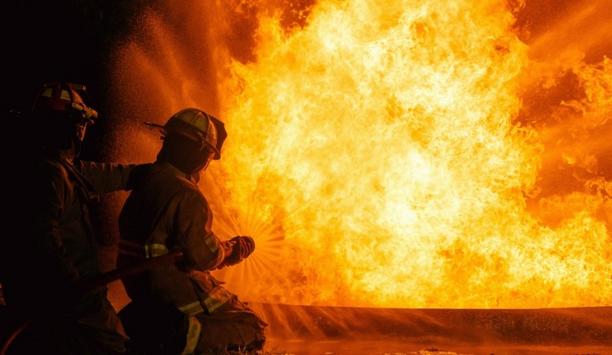
Fires cause more fatalities than all other types of natural disasters combined, with the majority of these deaths occurring in homes.
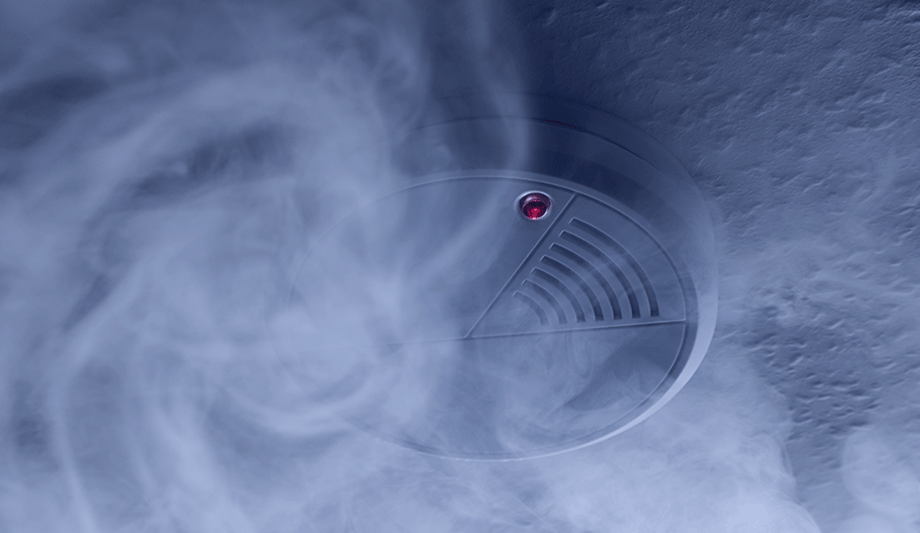
While smoke detectors play a critical role in home safety, they are not enough on their own.
Incorporating a comprehensive home fire sprinkler system can save lives, minimize property damage, reduce carbon emissions, and enhance home value.
The Benefits of Home Fire Sprinkler Systems
A key benefit of a residential fire sprinkler system is its rapid response to fire. A sprinkler system can contain a fire within 90 seconds, providing vital time for occupants to escape safely. Additional benefits include:
Saving Lives
With functioning fire alarms, the risk of dying in a fire is reduced by 50%, but pairing these with a sprinkler system reduces this risk by 80%. Residential fire sprinklers are the most effective life-saving devices available, not just protecting the residents, but also safeguarding firefighters.
Protecting Property
The National Fire Protection Association (NFPA) notes that sprinklers can diminish property damage by 70% due to their immediate activation, halting fire spread effectively.
Eliminating Environmental Damage
Fires contribute significantly to carbon emissions and environmental damage. Preventing fire spread mitigates air and water pollution, and in fire-prone areas, can avert larger-scale natural disasters.
Increasing Property Value
Research by Harris Interactive indicates that 74% of U.S. homebuyers are more inclined to purchase homes equipped with fire sprinkler systems, with 69% recognizing it as a value-adding feature. Additionally, savings on homeowners’ insurance premiums, ranging from 5% to 30%, further enhance home value.
Addressing Misconceptions About Fire Sprinklers
Despite the clear advantages, misconceptions about home fire sprinklers persist.
Myth #1: Sprinklers Leak
Sprinkler systems are pressurized to the same standards as residential plumbing systems, implying they are no more likely to leak than household pipes. Unlike plumbing, sprinkler systems experience minimal wear and tear.
Myth #2: Water Damage is Worse Than Fire Damage
Extinguishing a fire quickly minimizes damage. Sprinklers use less water and lower pressure than fire hoses, and activate only where heat is detected, localizing water exposure. In contrast, uncontrolled fires can devastate entire homes before firefighter response.
Myth #3: Sprinkler Systems Are Unsightly
Modern systems are designed to blend seamlessly with a home’s decor, with pipes concealed behind walls or ceilings, similar to other plumbing pipes.
Functionality of Residential Fire Sprinklers
Each sprinkler head contains a plug held by solder or glycerin-filled glass. Heat melts the solder or expands the glycerin, breaking the plug and releasing water. Each unit operates independently, ensuring water release only occurs in fire areas.
Installation of Home Fire Sprinkler Systems
For new constructions, sprinklers can be installed alongside plumbing. For existing homes, certified technicians connect to the water system and strategically install pipes and sprinkler heads to provide optimal coverage.
Fires are responsible for more deaths than all other types of natural disasters combined — and most of these deaths occur in homes. While smoke detectors are essential in protecting the home and family, they aren’t sufficient.
A comprehensive home fire sprinkler system that includes a residential fire sprinkler system can save the lives of the family and pets and the property, reduce carbon emissions from a fire, and increase the value of the home.
The Benefits of a Home Fire Sprinkler System
The biggest advantage of a residential fire sprinkler system is how quickly it can contain a fire. If a fire starts in the home, people only have three minutes to escape, and a sprinkler system can stop a fire in 90 seconds. Other benefits of a sprinkler system include:
Saving Lives
If users have working fire alarms in their home, they cut their risk of dying in a fire by 50%. If they have fire alarms and a sprinkler system installed, they can reduce their risk of dying in a fire by 80%. Fire sprinkler systems are more effective than any other safety device when it comes to saving lives.
In addition to protecting the lives of the family, a sprinkler system will also protect the lives of the firefighters who respond to the house fire.
Protecting Property
According to the National Fire Protection Association (NFPA), installing sprinklers can reduce property damage from a fire by 70%. This is largely because they work automatically and immediately to control fires so quickly that they don’t have the opportunity to spread.
Eliminating Environmental Damage
Fires contribute to carbon emissions and greenhouse gases that pollute the air and water. Eliminating fires from spreading is the best way to reduce environmental damage and toxins. In areas that are prone to out-of-control wildfires, preventing a residential fire may also prevent a devastating natural disaster.
Increasing the Property Value
According to research by Harris Interactive, 74% of U.S. homebuyers report they’re more likely to buy a home with a fire sprinkler, and 69% see it as an amenity that adds value. Users may also be able to save money on their homeowners’ insurance premiums, with some insurers offering discounts that range from 5% to 30%.
Misconceptions About Residential Fire Sprinklers
Despite the undisputed benefits of a home fire protection system, some persistent myths remain that dissuade people from installing them.
Myth #1: Sprinklers Leak
Sprinklers are pressurized to the same standards as residential plumbing systems, so they’re no more likely to leak than the pipes leading to the shower. Unlike the plumbing system, however, sprinkler pipes are rarely used. As a result, they’re not subject to the same amount of wear and tear.
Myth #2: Water Causes More Damage Than Fire
The best way to limit damage from a fire is to extinguish it quickly. Home sprinkler systems use much less water at a much lower pressure than fire hoses and hydrants. Because they only activate in areas where heat is detected, whatever water damage occurs is limited to the immediate area. An uncontrolled fire can easily destroy the entire house before firefighters can respond.
Myth #3: Sprinkler Systems Are Ugly and Obtrusive
Modern residential fire sprinkler systems can be mounted inconspicuously to blend in with the home’s style and decor. The pipes can be hidden behind walls or ceilings, just like the rest of the plumbing pipes.
How Fire Sprinklers in Residential Buildings Work
A residential fire sprinkler head contains a plug that holds back water. The plug is typically made of solder or is a glass tube filled with glycerin. The heat will melt the solder or expand the glycerin, causing the glass tube to break, either of which will release water.
Each sprinkler head operates independently, limiting the potential water damage. Only heat activates the sprinkler system, so users don’t have to worry about setting off the sprinklers if they accidentally fill the kitchen with smoke while cooking.
Residential Fire Sprinkler Installation Process
If users are installing a residential fire sprinkler system in a new build, it can easily be added at the same time the plumbing system is installed.
If they are installing one in their existing home, certified technicians will come out and tap into the water system. They’ll run pipes throughout the house and across the ceiling. They’ll install sprinkler heads where they offer the best coverage.