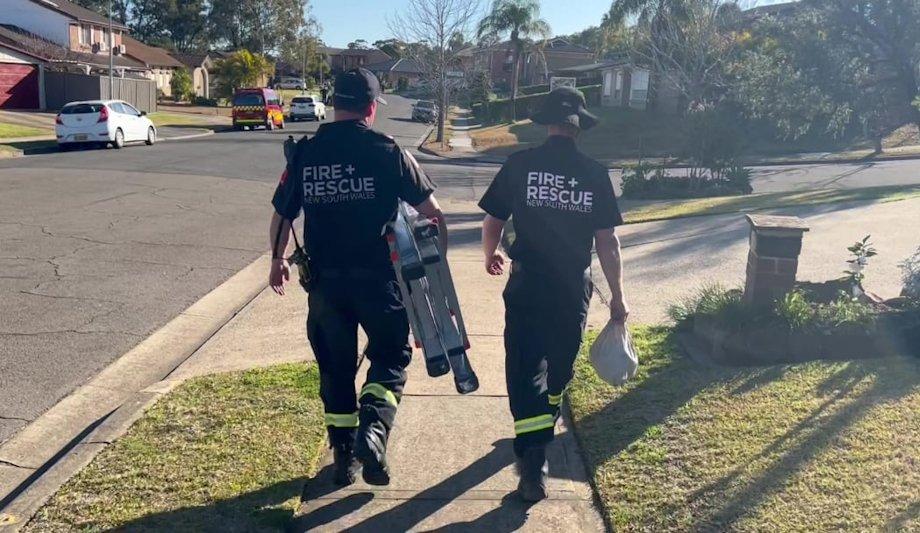

Fire and Rescue NSW (FRNSW) has revisited the site of a tragic house fire at Wetherill Park, located in Sydney's south-west, to provide critical fire safety advice to local residents affected by the incident.
The devastating blaze last Wednesday resulted in the deaths of a 75-year-old woman and an 81-year-old man on Lily Street, despite the efforts of firefighters and neighbors to assist them from their secure home. The fire's cause has yet to be determined.
Impact of Residential Fires
This recent tragedy has increased the death toll to six people who have lost their lives in residential fires across New South Wales this winter.
In response, FRNSW strongly encourages elderly individuals, those living with disabilities, and their families to evaluate their fire safety measures diligently.
Fire Safety Initiatives
Chief Superintendent Mick Morris, FRNSW Area Commander, emphasized the importance of face-to-face interactions for spreading fire safety messages.
"We can promote safety messages through all sorts of media, but there's nothing more powerful than being in someone's house, with firefighters talking directly with them," Morris stated.
FRNSW aids residents in understanding fire safety
FRNSW actively aids residents in understanding fire safety within their own environments
FRNSW is actively aiding residents in understanding fire safety within their own environments, highlighting simple precautionary measures that can enhance preparedness and protection against fires.
Chief Superintendent Morris added, "We're continuing to help them understand fire safety in their own contexts and environments, pointing out the little things they can do around their own homes which make them better prepared and protected against fire."
Preventive Safety Measures
Residents can arrange a complimentary home safety visit by either contacting their local fire station or visiting the FRNSW website. Implementing straightforward strategies now can prevent fires and mitigate their impacts if they occur.
For older adults and people with disabilities, important steps include:
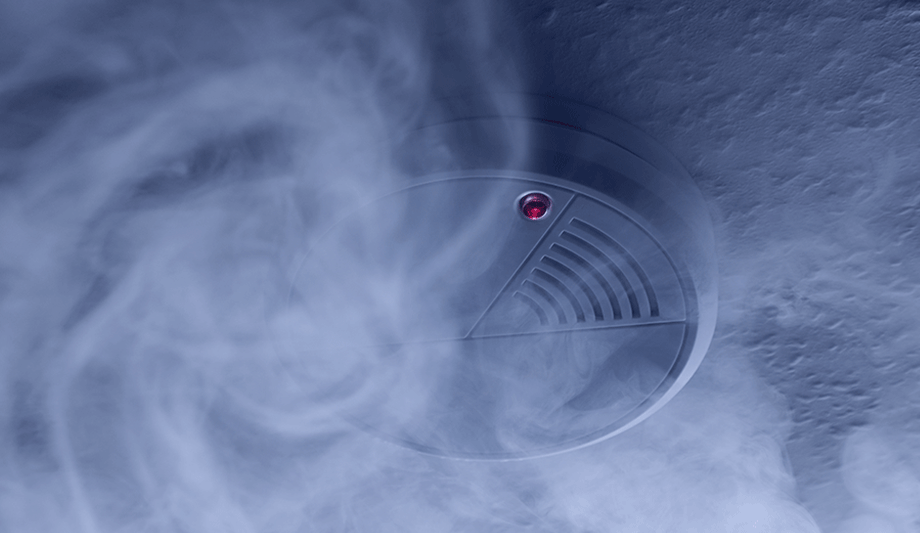
- Installing working smoke alarms throughout the home, including bedrooms, for early fire detection.
- Ensuring smoke alarms are hardwired and interconnected to activate together when one detects a threat.
- Regularly testing smoke alarms.
- Assessing alarm audibility and considering strobe light and portable vibration pad alarms if necessary.
- Creating and routinely practicing a home escape plan for swift and safe evacuation.
- Keeping pathways clear of obstacles and ensuring keys remain in door and window locks to facilitate quick exits.
- For those with mobility challenges, sleeping on the ground floor near an exit with mobility aids accessible by the bed is recommended.