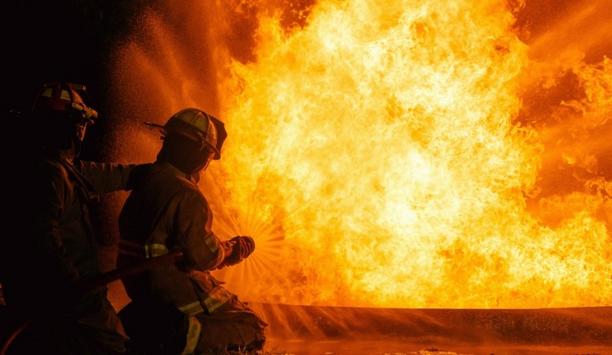
As the cost of living crisis worsens across the country, the National Fire Chiefs Council (NFCC) is warning there could be a sharp increase in accidental fires in the home.
NFCC is concerned that the UK could see an increase in fire-related serious injuries – and potentially fatalities – as people try to find alternative ways to stay warm, light their homes, and reduce energy as bills soar.
Keeping communities safe
And to combat this, NFCC is launching its new national campaign, ‘Stay Fire Safe.’ Rising costs mean fire prevention in the home is now more important than ever. This campaign – supported by UK fire and rescue services – will give vital information to help keep communities safe.
Rising costs mean fire prevention in the home is now more important than ever
During the last three months of 2021 in England alone, there were 99 fire-related fatalities with 76 of these happening in homes. This compares to 54 in the same quarter the year before – a 41 percent rise. Accidental fires in the home caused by candles in England, in the year ending March 2022 totaled 940, the highest recorded in more than 10 years. Around a third of these fires resulted in death or injury.
Carbon monoxide poisoning
NFCC is concerned these figures could rise as many members of the public understandably look at ways to deal with rising costs as inflation rates increase. By taking simple steps in the home, people can help to protect themselves from accidental fires and carbon monoxide poisoning.
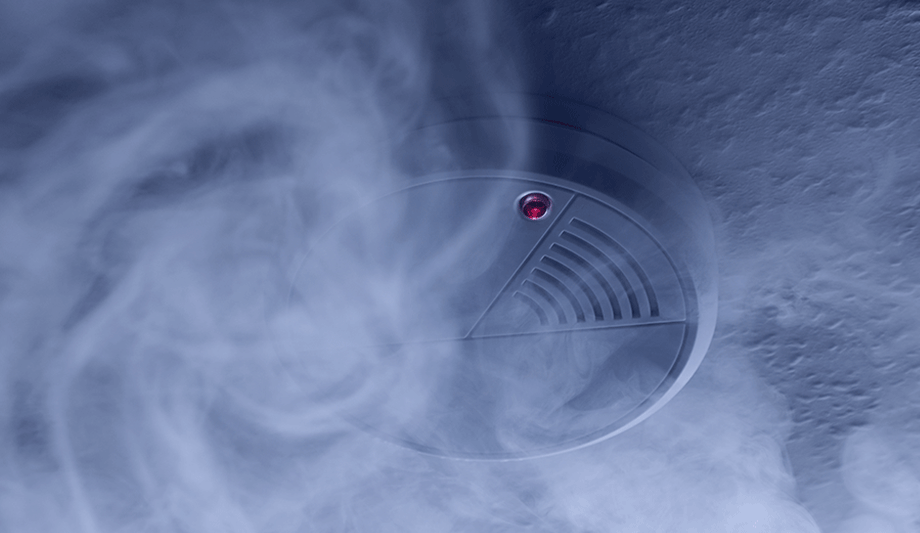
The campaign also shares advice on heating appliances, carbon monoxide, and smoke detectors, candles, and electrical safety. A key area of the campaign is signposting to where additional help could be available.
Essential prevention advice
We absolutely acknowledge that many may be doing things differently as they face difficult decisions"
Rick Hylton, NFCC’s Home Safety Chair commented: “We know there are going to be face additional hardships as we move into the colder months and we want to ensure advice is easily available. It is likely more people than ever before will need essential prevention advice as energy bills rise. The National Fire Chiefs Council has real concerns we could see an increase in fires which could easily lead to serious injuries or worse.”
“It is entirely possible individuals and families who would never consider themselves as vulnerable in the home could move into that bracket, as they make changes at home – increasing their risk of fire. We absolutely acknowledge that many may be doing things differently as they face difficult decisions as the weather changes. We hope our new campaign will help to highlight the dangers, offer simple solutions, and help keep loved ones safer in their homes.”
Providing additional help
NFCC is also calling on people to carry out an online home safety fire check – not just for themselves but also for their loved ones. This easily accessible tool provides vital fire safety advice which are personalized. And for those who are at a higher risk, local fire and rescue services can conduct home visits to provide additional help and support.
NFCC is also calling on people to carry out an online home safety fire check
Tenants should also ensure their landlords – or housing providers – have installed smoke and carbon monoxide detectors. This is a legal obligation and further changes are coming into force at the start of October in parts of the UK. This will see the installation or more lifesaving alarms in more homes.
Fire-Related fatalities
NFFC shares important notes to consider:
- Between 1 April 2021 and March 2022, there were 208 fire-related fatalities in dwelling fires.
- This compared with 185 in the previous year (a 12 per cent increase).
- Check any heating appliances are in working order and not subject to a product recall.
- Ensure flammable items such as furniture and drying clothes are placed away from heaters and fires.
- Ensure users use the correct fuel for woodburning stoves and open fires – to reduce the risk of toxic fumes, chimney fires, and carbon monoxide poisoning.
- Check the escape routes, and make sure they are clear and items such as portable heaters are not blocking them.
- If users have changed the way they use their homes such as living in fewer rooms, make sure they can hear smoke and Co alarms loud enough to alert them when asleep.