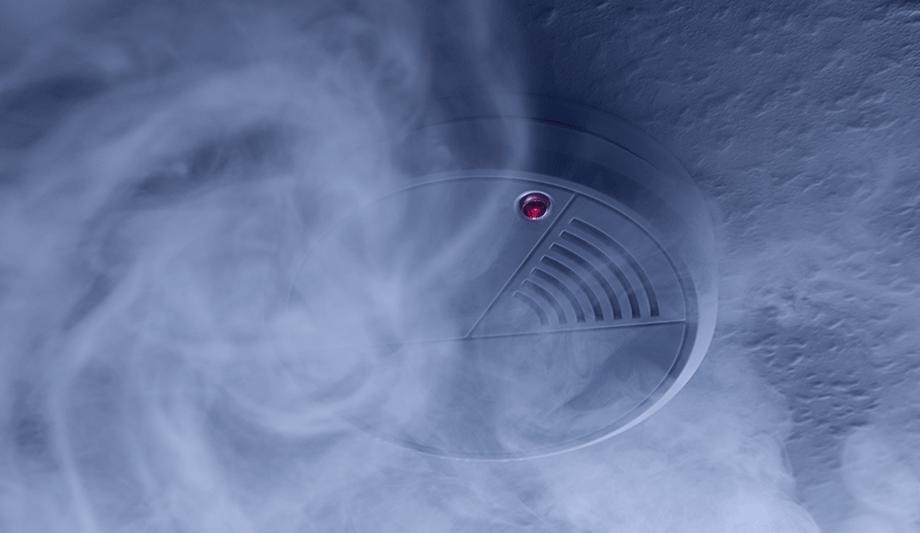
Commercial fire alarm systems are essential for ensuring safety in workplaces, serving not only a legal requirement but also a practical necessity. These systems are vital for detecting and warning against fires, supporting the evacuation process, and protecting both property and people.
Featuring components like detectors, call points, and sounders, these alarm systems are sophisticated and often customized based on the building's size, layout, and risk levels. The installation and upkeep of such systems by a professional fire alarm company, such as Midland Fire, are pivotal. Here, they'll break down these systems' complexities and emphasize the importance of professional involvement.
Understanding Commercial Fire Alarm Systems
Fire risk assessment by certified engineers is crucial to determine the necessary system components and ensure compliance
A commercial fire alarm system identifies fire indicators like smoke, heat, or flames and activates an alarm to alert occupants. Unlike simpler residential systems, commercial setups are generally more complex.
They often include multiple detectors and notification devices spread throughout the premises, sometimes even across different buildings, all integrated to work cohesively.
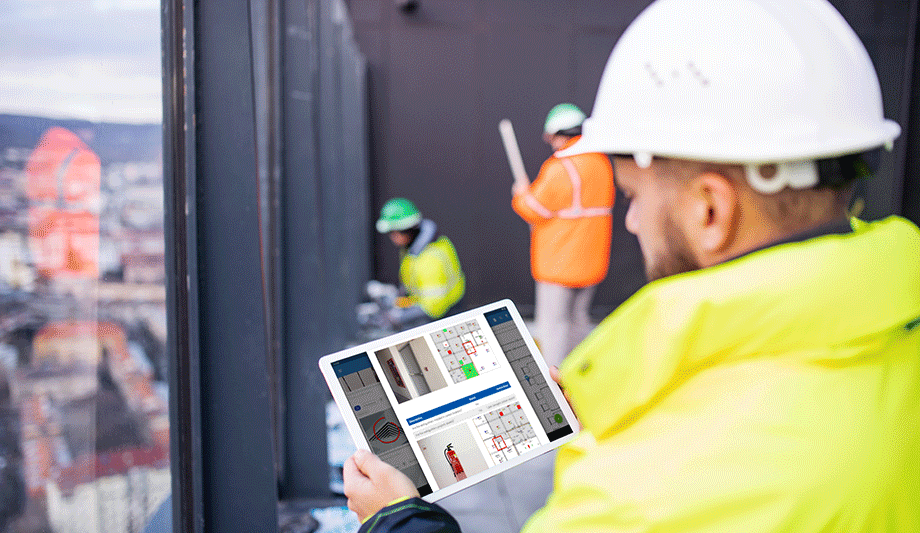
Before installation, a fire risk assessment by certified engineers is crucial to determine the necessary system components and ensure compliance with the UK’s Regulatory Reform (Fire Safety) Order 2005 and BS 5839 standards.
Key Components of a Fire Alarm System
Every commercial fire alarm system comprises several fundamental elements, regardless of its complexity:
- Control panel: Acts as the system's central hub, monitoring inputs and alarms.
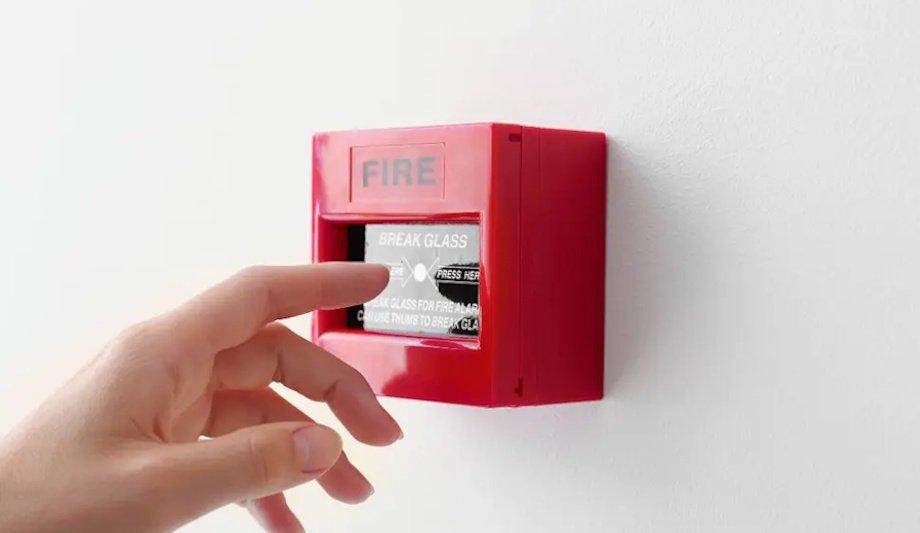
- Initiating devices: These can be manually or automatically triggered, such as smoke and heat detectors or manual call points.
- Notification devices: Provide audio or visual instructions to facilitate evacuation.
- Power supply: Includes mains power with a battery backup to ensure the system remains operational during power outages.
Advanced features could also include self-testing units, voice alarms, automatic sprinklers, and remote monitoring to aid in fire control and system management.
Operational Dynamics of Fire Alarm Systems
As the alarms sound, occupants should evacuate following any emergency lighting and signage
Upon detecting signs of a fire, either through a detector or a manual call point, a signal is sent to the system's control panel, which then activates alarms across the site.
Depending on the system's configuration, it might also notify the fire brigade or a monitoring center, isolate certain zones like elevators, and activate automatic fire suppression systems.
As the alarms sound, occupants should evacuate following any emergency lighting and signage. Afterwards, a fire alarm log is updated, and the system is reset by a qualified engineer once safety is reinstated.
Types of Commercial Fire Alarm Systems
Three primary types of commercial fire alarm systems vary in application based on the business’s needs:
- Conventional Fire Alarm System: Suited for smaller businesses with straightforward layouts. It segments the premises into zones to identify general alarm locations.
- Addressable Fire Alarm System: More effective for larger or more complex spaces, allowing precise identification of alarm points as all devices continuously communicate.
- Wireless (Radio) Fire Alarm System: Ideal for businesses needing minimal installation disruption, especially in older buildings. While more costly and requiring battery upkeep, they offer similar accuracy to addressable systems with an easier setup.
System Monitoring and Notification
Many systems also offer app-based monitoring, providing easy access to system status at all times
Monitoring a fire alarm system is crucial, ensuring a quick response during an emergency. Depending on the system setup, it can be configured to alert specific keyholders or services.
Larger premises might connect to a 24/7 Alarm Receiving Center (ARC), ensuring professional and emergency services are promptly notified when alarms trigger.
Many systems also offer app-based monitoring, providing easy access to system status at all times. Engineers ensure compliance with insurance and fire safety regulations, keeping businesses secure.
The Significance of Professional Installation and Maintenance
Choosing a professional fire safety specialist for the design and installation of a commercial fire alarm system cannot be understated. Companies like Midland Fire, accredited by BAFE, guarantee systems are set up in line with BS 5839 standards.
Professional engineers conduct comprehensive planning, design, installation, and commission, encompassing system testing and user training. Proper maintenance is not only a legal mandate but also critical for prolonging system lifespan and ensuring insurance compliance. A full service every six months by qualified professionals, alongside weekly in-house testing, is recommended.
For businesses seeking inspection, installation, or ongoing system maintenance, the experienced engineers at Midland Fire offer comprehensive services, aiding businesses to choose and install the right system while minimizing disruption.
Commercial fire alarm systems are a legal and practical necessity for the majority of workplaces. Found everywhere from offices to warehouses, these systems will detect and warn against fire, supporting evacuation and working hard to protect the property and staff.
But how exactly do they work? In this blog, they’ll break down how commercial fire alarm systems operate, and why professional installation and maintenance by a fire alarm company like Midland Fire is key. So let’s get into it.
What Is a Commercial Fire Alarm System?
Simply put, a commercial fire alarm system will detect signs of fire, be that smoke, heat or flames, and then sound an alarm to alert anyone present.
Saying that, a commercial fire alarm system can be far from simple! Unlike domestic systems, commercial setups tend to be more complex, comprising many different components depending on the size, layout, use and risk level of the building. They could be looking at multiple detectors, call points and sounders installed in different positions throughout the premises, all connected and working together, sometimes between different buildings.
The first thing they’ll need to do is book a fire risk assessment, in which engineers will decide what kind of system they need, and then professional design and commercial fire alarm system installation is a must. This will ensure that the building is fully covered and also that they’re complying with current UK legislation, including the Regulatory Reform (Fire Safety) Order 2005 and BS 5839 standards.
What Components Make Up a Fire Alarm System?
Whether they need a basic system or a more complex one, every commercial fire alarm system will be made up of the following components:
- Control panel: The “brain” of the system, the control panel monitors inputs, triggers alarms and keeps on top of system health.
- Initiating devices: Either manually or automatically activated, these devices act as inputs to the control unit. Examples include manual call points and smoke and heat detectors.
- Notification devices: Devices with audible or visual alerts that prompt evacuation.
- Power supply: Mains power with battery back-up to ensure continued operation in case of a power cut.
There’s also a whole range of advanced features designed to control fires, limit the damage they can cause and help they manage their system more easily. Examples include self-testing devices, voice alarm systems, automatic sprinklers and remote monitoring.
How Do These Systems Work in Practice?
Let’s go through it step by step…
- Help, there’s signs of a fire! The first step will be a detector or manual call point being activated and sending a signal to the control panel.
- The control panel then processes the signal and triggers alarms across the site.
- Depending on the system, this may also alert the fire brigade or a monitoring center.
- The system may isolate certain zones (e.g., lifts) or trigger automatic fire suppression.
- In the meantime, occupants will evacuate while the alarm sounds, ideally supported by emergency lighting and signage.
- The fire is dealt with, a fire alarm log records the incident, and the system is reset by a qualified engineer once the building is safe.
Types of Commercial Fire Alarm Systems
Here’s an overview of the three main types of commercial fire alarm systems, all of which they’re fully qualified to install at Midland Fire:
- Conventional Fire Alarm System: Ideal for smaller businesses with straightforward building layouts, this cost-effective system divides the premises into zones, allowing it to identify the general area where an alarm’s been triggered.
- Addressable Fire Alarm System: This one’s better for larger spaces with more intricate layouts. All the devices in an addressable system are connected and continually communicating with each other, meaning that when an alarm is activated, the precise location of the fire can be pinpointed, speeding up response times.
- Wireless (Radio) Fire Alarm System: Wireless systems are great if they’re looking for minimal installation disruption or the business is based in an older building where running cables could be tricky. Though typically more expensive and requiring regular battery maintenance, they provide the same pinpoint accuracy as addressable systems, as well as being quick and simple to set up.
Who Monitors the System?
So, how does system response work and who’s notified in the event of an emergency? Two very important questions when it comes to fire alarm systems. It’s all well and good that the alarms are set off, but how does the fire get dealt with?
That all depends on the system they have installed and how complex it is. Normally, systems can be configured so they can choose which keyholders and services are alerted. Larger sites may opt for their systems to be connected to a 24/7 Alarm Receiving Center (ARC), meaning that if a fire occurs, professional operatives and the emergency services are automatically notified of alarms being triggered, allowing for speedy response times.
Many systems also offer app-based monitoring, so they can be in the know at all times. Whichever system response they go for, the engineers will always ensure that the business is kept the safe as it can be while also adhering to insurance requirements and fire safety regulations.
The Importance of Professional Fire Alarm System Installation and Maintenance
As mentioned before, it’s so important that they choose a professional fire safety specialist to design and install the commercial fire alarm system. Going for a BAFE-accredited contractor like Midland Fire will make all the difference, ensuring the system works correctly and is in line with BS 5839 standards.
Professional engineers will plan and design the system according to the results of the fire risk assessment, and after install they will complete a full commission, including system testing, and providing documentation and training on system use.
Keeping the commercial system correctly maintained is also a legal requirement and will ensure the insurance is satisfied, as well as helping to prevent faults and extend the system’s lifespan. They need a full service every six months by a qualified engineer and weekly in-house testing is also crucial, with all the services and test results being recorded.
Install and Maintain a Commercial Fire Alarm System with Midland Fire
They’re a BAFE-accredited fire safety contractor, specializing in commercial fire alarm systems. Whether they need an inspection, installation or ongoing maintenance, our fully qualified engineers are here to help.
They’ll guide them through each stage of the process, helping them decide which system they need and how best to get it installed with minimal disruption to the business. They have extensive experience working with businesses of all sizes across all industries, so whatever they do, get in touch.