High-rise buildings represent remarkable achievements in engineering and architecture, accommodating numerous residents and complex systems within a compact vertical space.
However, the intricacies of these tall structures demand comprehensive fire safety measures, making high-rise fire protection systems essential rather than optional.
Understanding High-Rise Challenges
High-rise buildings, defined by the International Building Code (IBC) as structures 75 feet or taller, present unique challenges. Evacuating these buildings during emergencies can pose significant difficulties, particularly as elevators become inoperable and stairwells serve as the primary exit path.
For individuals with mobility issues, descending multiple flights of stairs can be perilous without an effective fire protection plan.
The Stack Effect
Fires in high-rise buildings spread rapidly upwards due to the "stack effect," where temperature differences within the building intensify smoke movement toward the upper floors. This phenomenon increases the risks for occupants on higher levels and complicates firefighters' efforts, as they navigate a swiftly changing environment.
Complex Building Systems
Firefighters often rely on the building’s internal systems, and their failure could exacerbate the situation
The integration of mechanical, electrical, and plumbing systems in high-rise structures creates pathways for fire and smoke to infiltrate, underscoring the need for vigilant fire detection and containment strategies. Firefighters often rely on the building’s internal systems, and their failure could exacerbate the situation.
Occupancy Risks
With high occupancy levels, high-rise buildings necessitate robust fire protection strategies. A larger number of people increases the demands on emergency resources and elevates potential risks should a fire occur.
Effective Fire Protection Solutions
Implementing NFPA-compliant fire protection systems is critical to safeguarding high-rise buildings. These systems include automatic sprinklers, fire alarms, smoke control measures, and emergency communication setups, among others. The use of fire-resistant materials further aids in preventing and containing fire spread.
Regular Fire Drills and Training
Conducting regular fire drills is crucial for high-rise safety. These exercises help both staff and occupants become familiar with evacuation procedures, manage stress, pinpoint potential evacuation hurdles, and improve emergency communication.
Comprehensive Fire Safety Plans
A meticulously planned fire safety strategy tailored to the building's architecture and usage is essential. Key components should include evacuation routes, designated assembly areas, support mechanisms for vulnerable groups, and robust communication protocols.
Maintenance and Inspections
Consistent maintenance and inspection of fire systems are vital. For example, NFPA 25 suggests annual checks for water-based fire protection systems and bi-annual evaluations for smoke and heat detectors to ensure optimal functioning.
Adherence to Fire Codes
Compliance with NFPA standards and local fire codes is fundamental in maintaining fire safety readiness. Keeping up with these regulations not only ensures occupant safety but also facilitates system updates and maintenance, supporting continued building compliance.
High-rise buildings are a triumph of human ingenuity, packing hundreds of people and countless systems into an efficient vertical footprint. But with great height comes the great complexity of high-rise fire safety.
These architectural marvels have complex ecosystems that call for reliable high-rise fire protection systems to keep everyone and everything safe. When it comes to high-rise buildings, fire safety isn’t a nice to have, but a must-have!
Complications of High-Rise Building Safety
Before exploring effective high-rise fire protection solutions, let’s talk about the unique challenges these structures face.
Challenges With Height and Evacuation
Evacuating a building becomes tougher the taller it gets. According to the International Building Code (IBC), high-rises are 75 feet (about 23 meters) or taller. This means stairwells become the primary escape route, which is a long way down, especially for those with mobility challenges.
If the elevators shut down (which they often do in a fire), evacuation can be a race against time. Without a solid fire protection plan, people on the upper floors could be in serious trouble.
How Fire Spreads and the Stack Effect
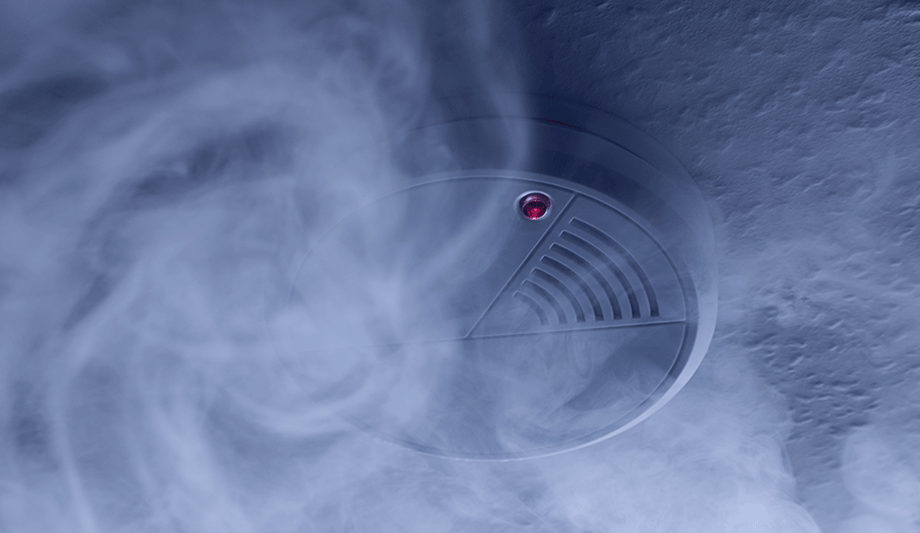
High-rise fires don’t just spread sideways, they go up. The “stack effect” causes temperature differences inside the building to turbo-boost the smoke, sending it racing toward the top floors.
It’s the fastest elevator in the building, bypassing every floor on its way up. For top-floor occupants, this means greater risk. For firefighters, it’s like navigating a maze while the walls are closing in.
Intricate Building Systems
High-rise buildings are like intricate puzzles, with mechanical, electrical, and plumbing systems weaving through every floor. Fire and smoke don’t just stick to open spaces, but sneak through ducts, crawl through wiring, and hitch rides on air currents.
And because these systems are so complex, detecting and containing a fire becomes a high-stakes game of hide-and-seek.
Limited Access for Fire Crews
While firefighters are heroes, they do have limits. When a high-rise fire breaks out, reaching the upper floors is a challenge and a race against physics.
Ladders fall short, and heavy equipment slows them down, forcing crews to depend on the building’s own systems. If those systems fail and there’s no plan B, high-rise fire protection systems become lifesavers.
High Occupant Numbers
Occupancy can be a double-edged sword when it comes to high-rise building safety. More people means more lives to protect, more resources emergency personnel need for evacuation, and a higher risk of injury or worse if a fire breaks out.
That’s why, when every second counts, smart planning and the right high-rise fire protection systems are non-negotiable.
Electrical and Mechanical System Failures
It’s hard to miss the modern tech, such as smart elevators, advanced HVACs, and state-of-the-art fire suppression in today’s high-rise buildings.
But when a fire strikes, these systems can fail, leaving elevators stuck, ventilation down, and alarms silent. While the latest gadgets can improve modern high-rise building safety, it’s important that they can withstand the heat when it matters most.
High-Rise Fire Protection Solutions
High-rise fire safety might sound daunting at first, but with the right solutions, it’s totally manageable. Let’s explore some effective high-rise fire protection solutions.
Installing Compliant Fire Protection Systems
One of the most straightforward yet effective high-rise fire safety solutions is installing NFPA-compliant systems, including:
- Automatic sprinkler systems
- Fire alarms and detection
- Smoke control
- Fire command centers
- Standpipes
- Pressurized stairwells and elevators
- Emergency lighting and exit signs
- Fire and smoke barriers
- Emergency communication systems
Additionally, using fire-resistant construction materials, such as fire-rated doors, walls, and insulation, can help prevent and contain the spread of fire.
Conducting Regular Fire Drills and Training
Fire drills aren’t everybody’s cup of tea, but they’re a must for high-rise building safety. They help high-rise building staff and occupants:
- Understand evacuation routes and procedures
- Stay calm under pressure
- Identify weak points in the evacuation process
- Communicate better during an emergency
When it comes to high-rise fire safety, practice isn’t just helpful, it’s lifesaving.
Crafting a Solid Fire Safety Plan
When listing things where users just hope for the best, high-rise fire protection should definitely not be among them. Make sure to have a well-crafted plan tailored to the building’s layout and occupancy.
As the high-rise building’s safety net, it should include:
- Clear evacuation routes
- Designated fire assembly points
- Support for vulnerable occupants, such as older adults and persons with disabilities or mobility issues
- Emergency communication procedures
- Regular updates
- A well-thought-out plan goes beyond just checking off an item on the to-do list. It gives users peace of mind and improved coordination that can save lives.
Regularly Maintaining and Inspecting Fire Systems
High-rise fire protection systems are like high-performance cars. Rather than “set it and forget it,” consider regular tune-ups to keep them in top shape.
That’s where maintenance and inspections come in. For example, NFPA 25 recommends annual inspections for water-based systems and bi-annual checks for smoke and heat detectors.
Complying With Fire Codes and Regulations
NFPA and municipal fire codes are a blueprint for high-rise fire safety. They outline how to design, install, and maintain fire protection systems, ensuring the building is ready for anything.
When users stay on top of these codes, they are keeping their building compliant and the occupants safe while also making it easier to maintain and update the system.