Halon fire suppression systems remain a cornerstone in the realm of fire protection, renowned for their reliability and effectiveness.
Although newer technologies have emerged, Halon systems continue to play a crucial role in safeguarding sensitive environments such as data centers, aircraft, and high-value assets. These systems maintain their esteemed status due to their ability to extinguish fires rapidly without inflicting damage on protected equipment.
Understanding Halon Systems
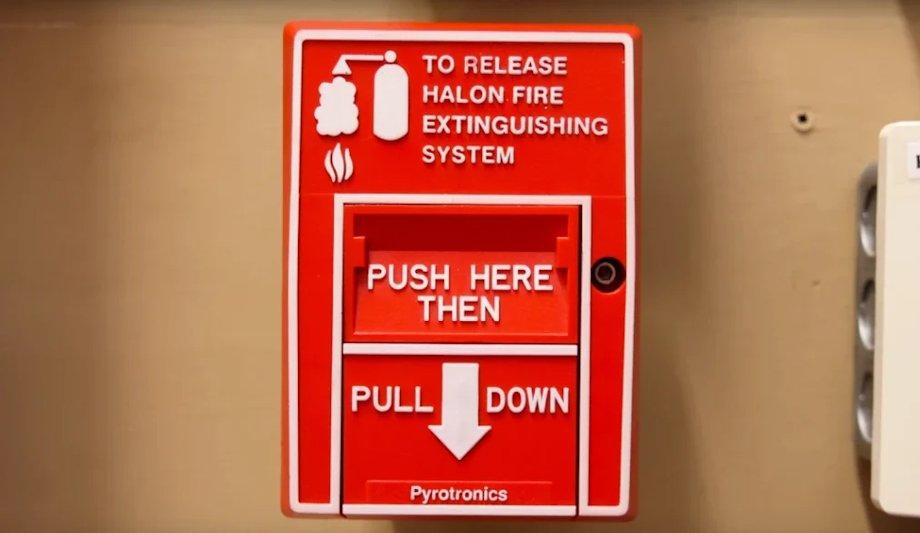
Halon fire suppression systems utilize Halon chemicals, most commonly Halon 1301 or Halon 1211, to quench fires.
Halon fire suppression systems utilize Halon chemicals, most commonly Halon 1301 or Halon 1211
By disrupting the chemical reactions that sustain a fire, these gaseous systems can douse flames without leaving any residue or harming equipment. Halon systems are particularly suitable in settings where water-based solutions could cause significant damage to electronics or critical infrastructure.
Limitations of Traditional Methods
In environments like data centers, electrical facilities, and specific types of commercial aircraft, traditional fire suppression methods such as sprinklers can be impractical or damaging.
Halon Systems have proven indispensable in these scenarios by offering a reliable solution for preventing disastrous fire damage.
Reasons for Halon's Effectiveness
The efficacy of Halon systems is rooted in the chemical nature of Halon compounds, which suppress fires by interrupting the chemical chain reactions of combustion.
This allows the systems to operate without the use of water, foam, or powder, making them ideal for protecting delicate equipment. The rapid response of Halon systems, capable of extinguishing fires within seconds of activation, is vital in high-value environments such as data centers or aircraft.
The Clear Advantage in Confined Spaces
Halon doesn't leave damaging residue, minimizing the risk to valuable equipment
Halon fire suppression offers several advantages, particularly in confined spaces with sensitive electronics or machinery.
Unlike water or foam-based systems, Halon doesn't leave damaging residue, minimizing the risk to valuable equipment. This controlled and precise release of Halon gas ensures both effective fire suppression and personnel safety during activation.
Environmental Concerns and Alternatives
While Halon systems offer numerous benefits, their environmental impact remains a contentious issue. Halon compounds contribute to ozone depletion, leading to restrictions under the Montreal Protocol. Consequently, new production of Halon has been banned globally, although Halon recovery and recycling programs help mitigate this environmental impact. Various alternatives, such as FM-200, Novec 1230, and Inergen, have been developed but often fall short of Halon's speed and efficacy.
Halon Systems in Key Industries
Data centers, aircraft, and military operations have long relied on Halon fire suppression systems. In data centers, fast and effective fire suppression is critical to prevent data loss and equipment damage. The aviation industry employs Halon in engine and cargo hold systems due to its rapid response in confined spaces. Military applications also benefit from Halon's ability to quickly and effectively manage fires in high-risk environments.
Maintenance and Compliance
To maintain the effectiveness of Halon systems, regular servicing and recharging are essential
To maintain the effectiveness of Halon systems, regular servicing and recharging are essential. Over time, the chemical can degrade or leak, compromising its function in emergencies.
Compliance with regulations, especially concerning environmental impact, is crucial. In the US, the Environmental Protection Agency (EPA) governs Halon recovery and disposal to ensure proper adherence and avoid penalties.
The Future of Halon Systems
Despite environmental challenges, Halon systems continue to be pivotal in industries where rapid fire suppression is necessary.
Although there is a push towards greener alternatives, Halon systems remain a preferred choice in high-risk settings like data centers, aviation, and military applications. As recovery programs evolve, it is anticipated that existing systems will continue to serve vital roles well into the future.
When it comes to fire suppression technology, Halon Systems have remained a benchmark of reliability and effectiveness.
While newer technologies have emerged, Halon fire suppression systems continue to be recognized as a critical component for safeguarding sensitive environments, including data centers, aircraft, and high-value assets.
The reason Halon systems maintain their position as the gold standard can be attributed to their unparalleled effectiveness in extinguishing fires quickly and without causing additional damage to the protected equipment.
Halon Systems
Halon systems are a type of gaseous fire suppression technology that uses Halon chemicals—typically Halon 1301 or Halon 1211—to suppress fires. These systems work by interrupting the chemical reactions that fuel a fire, effectively extinguishing the flames without causing harm to equipment or leaving behind residue.
Halon systems are highly effective in environments where water-based suppression systems could cause severe damage to electronic equipment or critical infrastructure.
Traditional fire suppression methods
These type of systems are primarily deployed in areas where traditional fire suppression methods like sprinklers could be impractical or damaging. For instance, these type of fire suppression systems are commonly found in data centers, electrical facilities, and certain types of commercial aircraft.
Despite newer alternatives, Halon Systems have proven to be an invaluable solution for preventing catastrophic fire damage in these specialized environments.
Why Halon Systems Are Effective
The effectiveness of Halon systems can be attributed to the chemical properties of Halon compounds. When released into a fire, Halon interferes with the chemical chain reaction that sustains combustion, thereby suppressing the fire without the need for water, foam, or powder.
This mechanism offers several advantages over other suppression methods, particularly in environments where the protection of delicate equipment is paramount.
Speed of Suppression
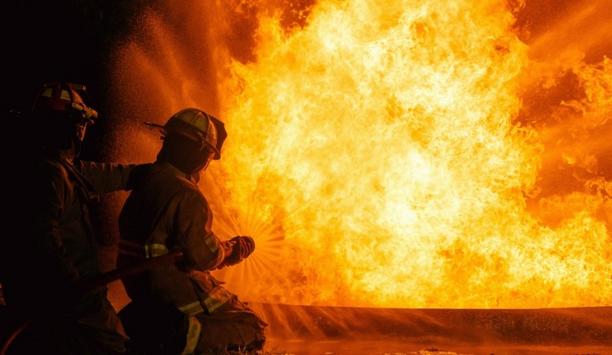
Halon systems are known for their rapid fire suppression capabilities. In many cases, these systems can extinguish a fire within seconds of activation. This speed is critical in high-value environments like data centers or aircraft, where even a few minutes of exposure to fire can result in significant financial loss and operational downtime.
Minimal Residue
Unlike water or foam-based suppression systems, which can cause corrosion or long-term damage to electronic equipment and machinery, Halon Systems leave behind minimal residue. This makes Halon ideal for protecting sensitive electronics, delicate machinery, and important documents in spaces such as server rooms, telecommunications facilities, and archives.
Effectiveness in Confined Spaces
Halon is particularly effective in confined spaces where traditional fire suppression methods might be impractical. For example, in a room filled with expensive computers or networking equipment, deploying a water-based fire suppression system could destroy the very equipment it’s trying to protect.
Halon, however, can be discharged in a controlled manner to put out fires without causing damage to the equipment in the room.
Mechanics of Halon Fire Suppression Systems
Halon Systems are designed to quickly and efficiently extinguish fires without causing harm to sensitive equipment or leaving behind damaging residue.
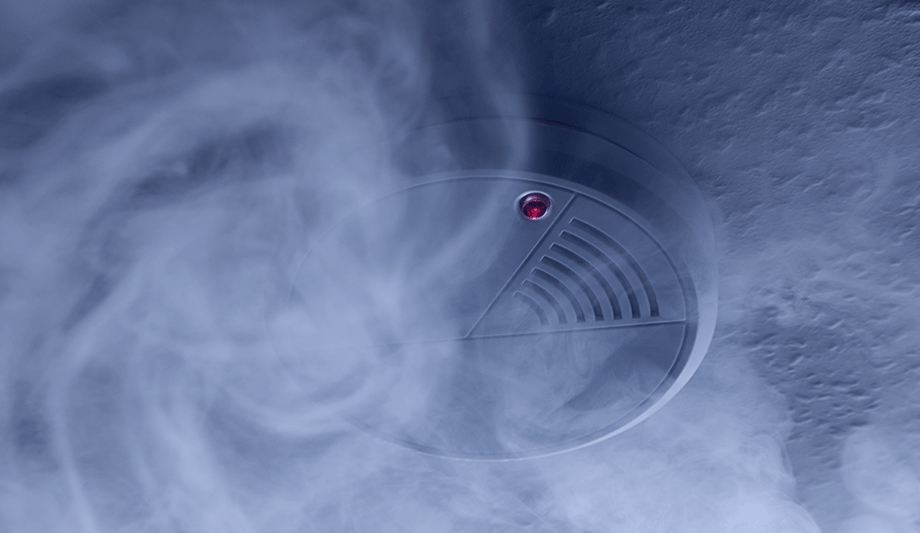
When a fire is detected, the system is triggered, and Halon gas is released into the protected environment. This release interrupts the chemical reactions that sustain combustion, effectively extinguishing the fire in seconds.
Rapid response
The rapid response of this fire suppression method is one of the key reasons they remain the gold standard in fire suppression. In high-value environments like data centers, aircraft, and military applications, every second counts. Halon systems work quickly to minimize damage and protect both assets and personnel.
The process of releasing Halon involves a precise and controlled discharge, ensuring the fire is suppressed without overwhelming the space with excessive gas. This controlled release is vital in maintaining the safety of personnel who may be present in the area during activation.
Environmental Considerations of Halon
While Halon fire suppression systems have many benefits, they also have a controversial environmental impact. Halon compounds are classified as ozone-depleting substances, and their use has been restricted under the Montreal Protocol, an international treaty aimed at protecting the ozone layer.
As a result, the production of new Halon systems has been banned in many parts of the world, and Halon is no longer used in new installations.
However, the ban on new Halon production does not mean that existing systems are no longer in use. Many companies continue to operate and maintain Halon systems through Halon recovery programs. These programs allow for the recycling and reuse of Halon, helping to mitigate environmental impact while maintaining the effectiveness of the system.
Transition to Halon Alternatives
In response to the environmental concerns surrounding Halon, various alternative fire suppression systems have been developed. These alternatives include clean agents like FM-200, Novec 1230, and Inergen. While these agents are considered less harmful to the environment, they still do not match Halon in terms of speed and efficiency in certain applications.
Moreover, Halon Systems often remain in place for facilities where the environmental cost of replacing them with an alternative would be prohibitive, especially in sectors like aviation, where Halon systems are deeply ingrained in fire safety protocols.
Real-World Applications of Halon Systems
Data Centers
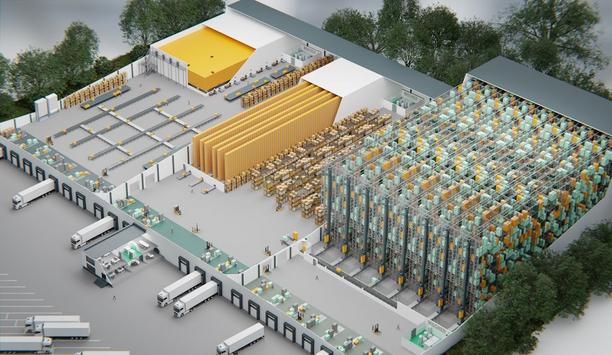
In environments like data centers, fire suppression is crucial for maintaining operational continuity. A fire in a data center can result in catastrophic data loss and equipment damage, making it essential to have fast and effective fire suppression systems in place.
Halon fire suppression systems are ideal for this purpose, as they can quickly extinguish fires without leaving damaging residue. As a result, many data centers in California and beyond continue to rely on this system type to safeguard their valuable IT infrastructure, including in server rooms.
Aircraft and Aviation
The aviation industry has long relied on Halon Systems for fire suppression in aircraft. Halon is used in both engine and cargo hold suppression systems, where fires can quickly become dangerous in confined spaces.
Halon’s rapid fire suppression capability is critical to ensuring the safety of passengers and crew, as well as preventing extensive damage to the aircraft. Despite the global push for more environmentally friendly alternatives, Halon remains the primary choice in aviation due to its effectiveness and speed.
Military and Critical Infrastructure
In military operations, Halon fire suppression systems are used in naval vessels, armored vehicles, and other critical infrastructure. These environments require systems that can quickly suppress fires without causing additional risks to personnel or equipment. Halon continues to be a favored solution due to its proven ability to handle these high-stakes situations.
Maintenance and Regulatory Compliance
One of the key factors in maintaining Halon Suppression Systems is ensuring that they are serviced and recharged properly.
Halon is a chemical compound, and over time, it may degrade or leak, which could reduce its effectiveness in a fire emergency. Regular maintenance is critical to ensure that these systems are ready to perform when needed.
Regulations surrounding Halon use
In addition, organizations must comply with regulations surrounding Halon use, particularly regarding its environmental impact. While the production of new Halon is banned, many countries allow the use of existing Halon systems as long as they are maintained properly.
In the United States, for example, the Environmental Protection Agency (EPA) regulates Halon recovery and disposal, and businesses must adhere to these regulations to avoid penalties.
Future of Halon Systems
Although Halon systems face challenges due to their environmental impact, they continue to be essential in many industries where rapid fire suppression is required.
The global shift toward greener alternatives has spurred the development of clean agent systems, but Halon fire suppression remains the standard in high-risk environments like data centers, aircraft, and military applications. As Halon recovery programs evolve, it is likely that the systems already in place will continue to serve critical functions for years to come.