Ensuring fire safety and regulatory compliance can be complex for businesses. To help clarify this, Midland Fire has put together a comprehensive guide to commercial fire alarm systems, highlighting their installation, maintenance, and legal obligations.
A fire alarm system is vital for workplace safety, aimed at safeguarding both personnel and property by preventing major emergencies. Yet, it's crucial to assess if these systems are functioning optimally and adhere to necessary legal standards.
Understanding Commercial Fire Alarm Systems
Commercial fire alarm systems are designed to detect and manage fires in the workplace, providing early warnings to minimize damage. These systems can vary significantly depending on business size and type.
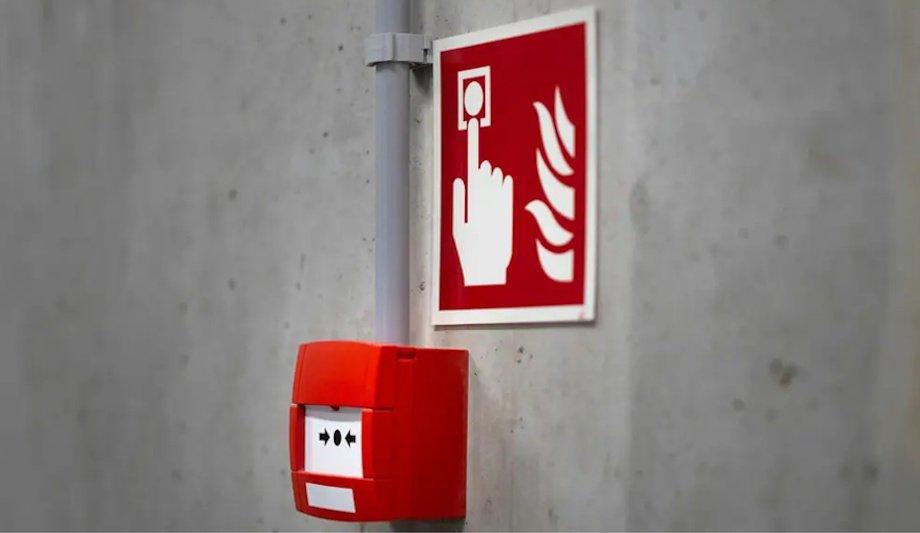
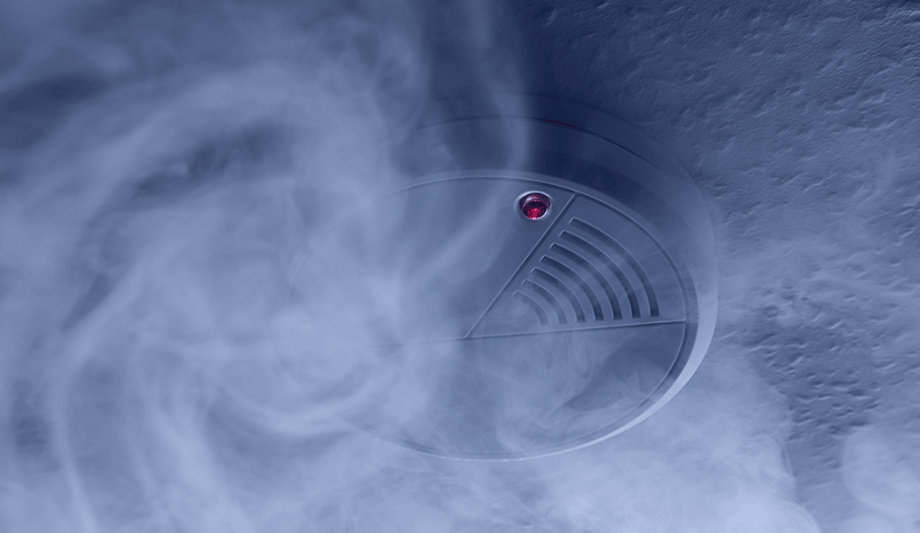
Essential components include smoke detectors, heat sensors, audible alarms, sprinklers, manual call points, and control panels. An efficient fire alarm system will integrate these components seamlessly for comprehensive property coverage.
Fire Safety Regulations and Compliance
Systems must comply with BS 5839 standards, meaning effective warning during a fire
UK businesses must comply with 'The Regulatory Reform (Fire Safety) Order 2005,' which mandates 'appropriate fire detection systems' to safeguard staff, customers, and assets. Systems must comply with BS 5839 standards, meaning effective warning during a fire.
Compliance begins with a rigorous fire risk assessment, helping ensure the correct system is in place to avoid legal penalties and fulfill insurance requirements. It's equally vital to maintain these systems regularly to meet legal obligations.
Varieties of Commercial Fire Alarm Systems
Midland Fire specializes in installing various fire alarm systems tailored to specific business needs and budgets. Three primary types include:
- Conventional Fire Alarm System: Suitable for smaller businesses, dividing premises into zones for easier fire location identification.
- Addressable Fire Alarm System: Ideal for larger, complex spaces, connecting devices to identify the exact fire location accurately.
- Wireless Fire Alarm System: Great for minimal installation disruption, though pricier and requiring frequent battery checks.
Advanced Features for Modern Fire Alarm Systems
Contemporary fire alarm systems offer advanced functionalities to enhance safety. Key features include self-testing detectors, 24/7 remote monitoring, voice alarm systems for clear evacuation instructions, and integration with security systems like CCTV.
Installation Process for Fire Alarms
Choosing a BAFE-accredited contractor like Midland Fire ensures adherence to BS 5839 standards for effective fire alarm installations. The installation involves several steps:
- Fire Risk Assessment: Conducted to determine fire hazards and necessary safety measures.
- Design: A custom fire alarm system is tailored to business needs and regulatory requirements.
- Installation: Components are installed and tested to ensure compliance with existing safety and security systems.
- Commissioning: A BAFE Certificate of Conformity is issued upon successful implementation.
- Ongoing Maintenance: Weekly tests and bi-annual professional inspections are mandatory for system upkeep.
The Role of Fire Risk Assessments
Legal in the UK, fire risk assessments identify hazards and necessary safety measures. These evaluations are crucial for implementing a robust fire safety strategy, aimed at reducing fire risks, ensuring prompt alert in emergencies, and minimizing potential damage.
The Necessity of Regular Maintenance and Testing
Consistent maintenance of fire safety equipment is legally required and ensures systems remain competent and financially manageable.
BS 5839 guidelines recommend weekly tests and professional servicing every six months, preferably by a BAFE-accredited service provider, to guarantee thoroughness and compliance.
Fire safety and compliance may seem like a complicated beast. That’s why they’ve put together this guide of everything they need to know to keep the business safe, secure and compliant.
As they know, a fire alarm system is a crucial piece of workplace safety equipment, designed to protect the staff and property, and helping prevent serious emergency situations in the first place. But is the fire alarm system doing its job properly and does it meet all the legal requirements? Read on as they help them navigate the world of commercial fire alarm installation, maintenance and compliance.
What is a Commercial Fire Alarm System?
A commercial fire alarm system is designed to detect and control fires in the workplace, providing early warning of an emergency and helping limit the damage that a fire can cause.
Depending on the size and type of the business, there are a variety of fire alarm system types available. Key components include smoke detectors, heat sensors, audible alarms, sprinklers, manual call points, control panels… the list goes on. A great fire alarm system will integrate all its components seamlessly, for full coverage of the property in which it’s installed.
Fire Safety Regulations & Legal Compliance
If you’re looking for the fire alarm regulations for businesses, ‘The Regulatory Reform (Fire Safety) Order 2005’ is where it’s at. The UK government also recommends that all fire alarm systems should be installed and maintained in line with the relevant British Standard: BS 5839.
These regulations state that all businesses must have ‘an appropriate fire detection system’ in place to keep staff, customers and assets safe. This means that in the event of a fire, they need a system that alerts everyone within the business. This system could be a complex fire alarm system, or it could be staff simply knowing to shout “fire” if the business property is particularly small.
The first step is a fire risk assessment of the business premises, which is a legal requirement. This way, they can be sure that they have the correct system in place to avoid legal fines, satisfy their insurance policy, and – most importantly – keep their business safe. And if they do have a fire alarm system, it is a legal requirement to maintain it. They’ll expand on that later.
Types of Commercial Fire Alarm Systems
Now, let’s get into the nitty-gritty. At Midland Fire, we’re fully qualified to install all kinds of fire alarm systems and they’ll work with them to design a system that suits the needs and meets the budget. Here’s a breakdown of the three main commercial fire alarm system types.
- Conventional Fire Alarm System: Ideal for smaller businesses with straightforward layouts, this cost-effective and dependable system divides the premises into zones. This allows it to identify the general area where an alarm has been triggered.
- Addressable Fire Alarm System: Designed for larger spaces with more complex layouts, this advanced system connects all its devices, ensuring continuous communication between each one. This means that when an alarm activates, it can accurately pinpoint the precise location of the fire.
- Wireless (Radio) Fire Alarm System: Wireless systems are perfect for businesses seeking minimal installation disruption or based in buildings where installing wiring could be tricky. While setup is quick and simple, wireless systems tend to be pricier and require regular battery checks. They provide fire alerts in the same way as addressable systems.
Advanced Fire Alarm Features for Modern Businesses
The newest fire alarm systems also offer plenty of advanced features and add-ons to enhance safety and give them peace of mind. For example:
- Self-testing: A range of detectors is available that can test themselves using real smoke and heat, revolutionizing the way they maintain fire alarm systems.
- Remote monitoring: Third-party provider 24/7 monitoring, which alerts operatives of an incident and allows them to respond fast.
- Voice alarm systems: A way of broadcasting clear evacuation instructions in the event of an emergency, for the best in staff safety.
- Integrated security: Fire alarm systems can be fully integrated with security features such as CCTV and access control.
Fire Alarm Installation: Everything They Need to Know
Choosing commercial fire alarm installers from a BAFE-accredited contractor like Midland Fire means that the system will be fully effective and up to the BS 5839 standards.
Here are the steps qualified engineers will take in setting up the commercial fire alarm system:
- Fire Risk Assessment: A full assessment will take place to define the fire alarm category required, identify any fire hazards and determine which safety measures are needed.
- Design: Following the results of the FRA, a bespoke fire alarm system will be designed to meet the individual needs of the business, working to the budget and insurance requirements. Where applicable, they’ll also consult with all interested parties at this stage, including the responsible person, insurer or the fire brigade.
- Installation: All components are fitted, tested and integrated with any existing life safety and security systems, ensuring compliance with the regulations.
- Commissioning: They will then be issued a BAFE Certificate of Conformity. This certificate proves the commercial fire alarm system installation complies with current legislation.
- Ongoing maintenance: The system needs to be tested weekly by themselves, and the fire safety company should carry out a full system inspection every six months.
The Importance of Fire Risk Assessments
A legal requirement for businesses in the UK, fire risk assessments are needed to identify fire hazards and define the measures they need to take to keep the property safe and compliant. They’re the first step to an effective fire safety strategy. The assessment will:
- Identify fire hazards and any people at risk.
- Determine which fire safety measures and management policies are needed to ensure the safety of people occupying the building.
- Include an action plan to implement the relevant fire protection and fire prevention systems with the aim of:
- Reducing the probability of a fire starting.
- Ensuring that all occupants are alerted and can leave the premises safely in the event of a fire.
- Limiting the damage should a fire occur.
Fire Alarm Maintenance & Testing
It’s a legal obligation to keep the fire safety equipment well-maintained. Regular servicing not only helps they stay compliant but also allows them to manage their budget and ensure the system remains up-to-date.
According to BS 5839 guidelines, they should carry out weekly tests as well as a full professional service every six months. It’s always best to trust a professional with 3rd party BAFE accreditation to handle the servicing, so they know the job’s being done correctly.