Conducting a fire risk assessment is a structured and detailed examination of premises and activities to evaluate the potential for a fire outbreak and its possible impact on individuals present.
n non-residential buildings, these assessments are crucial for ensuring comprehensive fire safety measures. This article explains the objectives of a fire risk assessment and its vital role in maintaining safety standards.
Fire Risk Assessment Objectives
The primary goals of a fire risk assessment include identifying fire hazards, reducing the risks of these hazards to an acceptable level, and determining necessary fire precautions and management strategies to protect individuals in the event of a fire.
These assessments must be conducted regularly for every non-residential building, each with its own specific considerations and compliance regulations.
Offices and Shops
In multi-occupied spaces, tenant companies must manage fire safety within their areas
In offices and retail environments, fire risk assessments help to minimize potential injury or fatality risks for both employees and the public. It is essential to keep these assessments updated to ensure all precautionary measures remain effective.
In multi-occupied spaces, tenant companies must manage fire safety within their areas, while landlords or building owners are responsible for common areas like stairwells and foyers. Buildings with multiple individual offices or commercial units require separate and tailored assessments for each space.
Shared Premises
When businesses share premises, the possibility of increased health and safety risks grows, as one company's activities may affect another's risk profile.
Fire risk assessments in such scenarios must account for the presence of both public visitors and employees. Offices, for example, may utilize visitor sign-in procedures to ensure everyone is accounted for during emergencies.
Warehouses and Factories
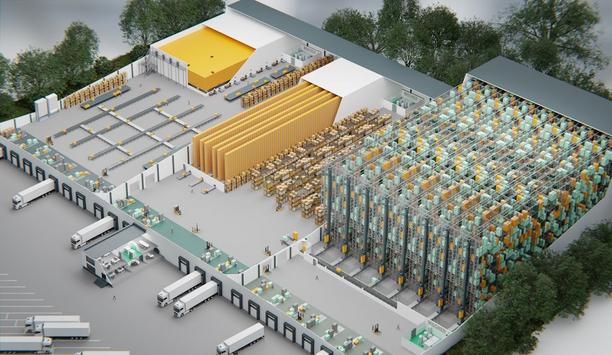
Fire risk assessments in industrial settings like warehouses and factories must address specific operational risks inherent to these environments.
Whether dealing with food production, tasks involving open flames like welding, or the storage of flammable materials, assessments should consider factors such as machinery maintenance, electrical safety, and the safe handling and storage of hazardous substances. Consideration should also be given to maintaining cleanliness and managing alterations or building works.
Hotels and Sleeping Accommodations
Many guests may lack familiarity with evacuation routes, potentially delaying their response
Fire safety in hotels and other accommodations presents unique challenges due to the transient and diverse nature of occupants.
Many guests may lack familiarity with evacuation routes, potentially delaying their response. These assessments must consider variables such as alarm recognition, physical or mental impairments, and the influence of substances that may diminish alertness. The volume and capability of guests affect the assessment of escape routes, with accommodations varying from fixed occupancy, like hostels, to fluctuating numbers in hotels.
Care Homes
In care homes, fire risk assessments are even more critical due to the heightened vulnerability of residents. Failures in implementing adequate fire safety measures may result in severe consequences, including negative ratings from the Care Quality Commission (CQC) and legal repercussions.
Assessments should incorporate elements such as personalized emergency plans, regular staff drills, and ensuring adequate night-time staffing to support evacuation strategies.
Importance of Fire Risk Assessments
Fire risk assessments are integral to maintaining fire safety standards across non-residential buildings but can be complex and demanding for the responsible individual.
TFG offers a comprehensive approach to fire risk assessments, utilizing methodologies refined over 16 years to assist responsible individuals in identifying and addressing risks, including those outside the Fire Safety Order's scope. Their proprietary software, Aurora, efficiently manages multi-site assessments, ensuring compliance and ongoing safety improvements.
A fire risk assessment is an organized and methodical look at the premises, the activities carried out on there and the likelihood that a fire could start and cause harm to those in and around the premises.
Fire risk assessments are essential for buildings that fall into the non-residential sector and are a huge component of overall fire safety.
This article goes in depth regarding the objectives of a fire risk assessment.
Fire risk assessment
The aims of a fire risk assessment are to:
- Identify the fire hazards
- Reduce the risk of those hazards causing harm to as low as reasonably practicable
- Decide what physical fire precautions and management arrangements are necessary to ensure the safety of people in the premises if a fire does start
- Every non-residential building needs to carry out regular fire risk assessments, and each type of building will have specific considerations and regulations to adhere to.
Offices and shops
Fire risk assessments are key in offices and shops to minimize the risk of injury or death to staff
Fire risk assessments are key in offices and shops to minimize the risk of injury or death to staff or the public.
Users must carry out fire risk assessments and keep them up to date to ensure that all the fire precautions in their premises remain current and adequate. For multi-occupied buildings, it’s their responsibility to address fire safety issues within their individual occupancies.
But additionally, the landlord or owner of the building is also responsible for ensuring fire safety measures are in place throughout the common areas, such as stairwells, toilets, foyers, and other shared spaces. If users own more than one office or commercial building, each building needs its own individual and tailored fire risk assessment.
Sharing premises
Sharing premises with others can mean an increase in risks to health and safety
Sharing premises with others can mean an increase in risks to health and safety because one company can affect the risks to another.
Additionally, fire risk assessments in offices and shops will need to take into consideration the fact that often, there will be a mix of the general public and employees present in the building, and this should be reflected in how they try to minimize risk.
For example, offices may require guests to sign in upon arrival in order to account for every person in the building.
Warehouses and factories
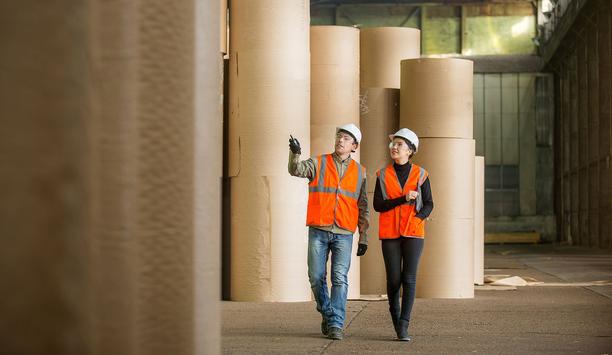
Fire risk assessments in warehouses and factories will need to take into consideration the specific function of the space when conducting their review.
Many warehouses and factories will have an increased risk of fire simply due to the nature of the work carried out within the building, whether it’s food manufacturing, hot work such as welding or soldering or storage of highly flammable materials.
With this in mind, fire risk assessments for warehouses and factories should include aspects such as:
- Equipment and machinery
- Electrical safety
- Dangerous substances: storage, display, and use
- Housekeeping and waste materials
- Managing building work and alterations
Hotels and other sleeping accommodations
Hotels and other sleeping accommodations face unique challenges in conducting fire risk assessments and ensuring fire safety due to the type of people within these types of buildings.
The people present in premises such as hotels, motels, guest and boarding houses will consist of members of the public, who may only be present over a short period of time, and staff.
Members of the public (including contractors) are unlikely to have advance knowledge of the premises and so will be unfamiliar with the escape routes. These people may also be slow to respond for a number of reasons such as:
- An unfamiliar alarm or inability to hear the alarm (due to hearing impairment)
- Belief that the alarm may be false and waiting for further direction from staff
- A physical or mental impairment such as using a wheelchair
- Attempting to get fully dressed, gathering other family members together and
- Collecting personal belongings
- Being under the influence of alcohol, drugs, or medication
Escape routes
The number and capability of people present will influence the assessment of the escape routes
The number and capability of people present will influence the assessment of the escape routes.
The number of people likely to use the premises at any time may be fairly constant, e.g. in hostels, halls of residence, and HMO-type premises, but in hotels it can vary from a few people to large numbers depending on the time of year, conference facilities, and other social gatherings.
The age and construction of the premises will also be a factor when conducting fire risk assessments, as some hotels may be constructed from older materials and may even be Grade 11 listed.
Care homes
Fire risk assessments are particularly important in care homes as these types of properties present unique challenges and the consequences of getting fire safety wrong can be fatal.
Additionally, fire safety failings may result in a care home being rated “inadequate” by the Care Quality Commission (CQC) and may even result in personal prosecution.
Care homes should pay particular attention to the following elements when conducting fire risk assessments:
- Up-to-date or appropriately personalized plans– vulnerable people’s needs change over time, and plans can quickly become out of date.
- Frequent staff training and drills
- Staffing levels in an emergency – staffing levels may not always support the evacuation strategy, especially at night.
Fire safety
Fire risk assessments are such an important part of fire safety within the non-residential sector
As fire risk assessments are such an important part of fire safety within the non-residential sector, it’s important that they are carried out thoroughly and efficiently.
However, being the responsible person who is in charge of doing so can be extremely stressful and time-consuming. This is compounded if users have more than one property to take care of. That’s where TFG comes in.
Their fire risk assessment methodology, template, and approach to fire risk have been developed, reviewed, and adapted over the last 16 years in business.
Fire Safety Order
Their fire risk assessments assist the Responsible Person in identifying significant findings that are clear breaches of the Fire Safety Order, with priority, risk, and time scales recorded to action the findings.
Their process will also identify fire risks that may be outside the scope of the Fire Safety Order but could present a property or business continuity risk.
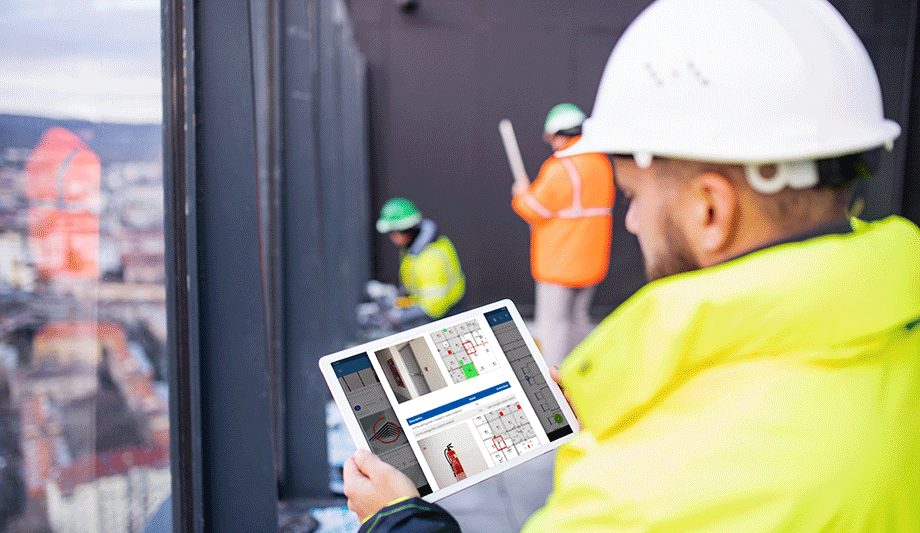
They even have their own fire risk management software, Aurora, which allows users to keep track of various sites and the actions within those sites, all in one place.