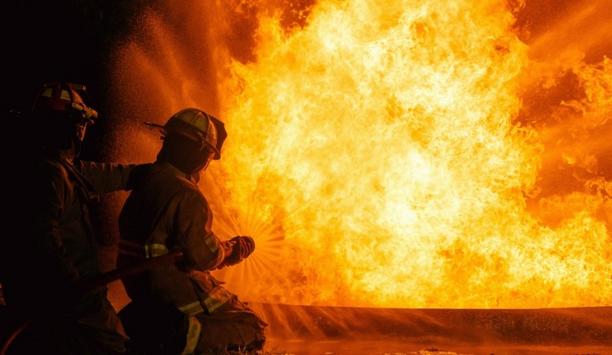

Fire is one of the biggest threats in the workplace. There is no existing device that can predict fire and no definite assessment on a fire that has not yet happened.
It is all about perfect fire safety planning that focuses on fire safety best practices to ensure an efficient escape from fire dangers. To prepare for these unforeseen events, there is a need to comply with fire safety requirements for persons conducting a business. In this article, the aim is to get to know the best practices in the workplace.
Best Practices for Fire Safety
The number of ways to minimize the risk of fire in the workplace is endless. Here are some of the practices worth noting down:
- Install "no smoking" signs and strictly implement them. If the office has smoking areas, disposing of cigarettes properly should be imposed on the employees.
- Declutter. The best places for a fire to take control over are those with piles of waste and clutter. With good housekeeping at the own workplace, there should be minimal risk of fire.
- Store flammable liquids in metal containers. Oily or solvent-soaked rags should be used with caution and disposed of properly.
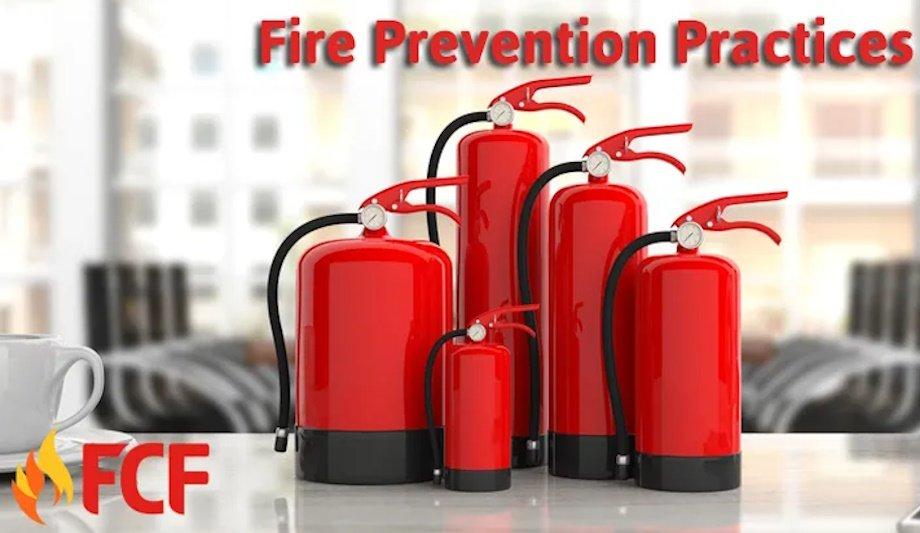
- Familiarize the firefighting equipment in the business and the location for each. Fire extinguishers in their workplace have designated installation positions near exit doors and fire-prone areas. Employees should be able to spot them easily.
- Store chemicals in a safe compartment. Read the information sheet about hazard warnings to ensure safe storage and usage.
- Electrical wiring and fixtures should be kept in order. Avoid using too many electronics in one socket and minimize the use of adapters to eliminate the hazard of faulty electrical connections.
- Prepare a list of all emergency contact numbers and make it accessible to everyone in the office.
- Conduct fire safety drills for all employees. Knowing how to use a fire extinguisher is crucial in the workforce. Make sure workers are able to identify the different types of fire extinguishers and are able to function properly through the training provided.
Responding to Fire
Having a fire plan in the workplace that focuses on Fire Safety Best Practices is a priority in any business. This involves the procedures once a fire occurs, fighting the fire and evacuating the area.
Evacuate the Building
The first thing to do when a fire occurs is to make sure employees can get out of the building safely. An evacuation plan has to be set out for every employee to familiarise and practice through a fire drill. Every department should be oriented about its specific route towards the fire exit. When they happen to discover the fire first, use this step-by-step guide in responding efficiently:
- Stay calm
- Alert everyone in the building or the fire safety officers to supervise the evacuation
- Call the fire brigade through 000
- Leave the building by following the evacuation route
- Assemble at the evacuation area and stay there until advised otherwise
- When the fire brigade arrives, give details of the fire incident
Fight the Fire When Needed
Fighting the fire is a choice to make when it is still controllable and only when they know how to use a fire extinguisher
Fighting the fire is a choice to make when it is still controllable and only when they know how to use a fire extinguisher. When doing so, make sure there is a clear pathway to escape.
A complete evacuation plan should help employees identify the fire extinguishers and their locations. Stay calm, assess the situation, and call for help. Being confronted by fire is all about making quick decisions and ensuring safety.
Suppress the Flames
If the clothes catch fire when trying to escape or fight it, drop and roll over to extinguish it. This should be part of the fire safety practices aside from learning how to identify the different types of fire extinguishers. The ability to suppress fire depends on how they practice it. Make sure to attend all the fire drills conducted in the workplace or risk the life in the event of a fire.
The process of establishing a good fire safety plan in the workplace takes time and effort and it's worth looking into Fire Safety Best Practices, but it is worth the investment when it's a matter of the business and employees.