
A fire in the business setting can truly cause severe damage, disrupt operations and put lives at risk. Effective fire safety plan ensures that the employees know how to prevent fires, how to respond in case of emergency and how to evacuate safely.
In this guide, they can learn everything about how to create an effective fire safety plan for their business.
Why business needs a safety plan
A well-designed fire safety plan goes way beyond just a legal requirement
A well-designed fire safety plan goes way beyond just a legal requirement; it’s a very important part of workplace safety. A safety plan ensures that the employees, customers, and visitors can evacuate safely. It reduces the spread of fire and limited financial loss.
They must know that a fire safety plan helps them meet local fire codes and regulations. It protects the business owners from legal issues if a fire occurs. It trains the staff on fire prevention and emergency response.
Some of the main elements of a fire safety plan
A fire safety plan should always be clear, practical and tailored to the businesses specific requirements. It must include identifying potential hazards in the workplace. They must evaluate the risks in different areas of business and implement safety measures to reduce fire hazards.
Proper storage of flammable materials and safe burning of electrical equipment. They should regularly maintain the heating and Kitchen appliances. There should be procedures for reporting fires and steps to contain small fires using extinguishers.
Clear evacuation procedures
Ensuring fire extinguishers are accessible and in working condition
Clear evacuation procedures for all employees. They must train their staff on fire prevention and fire extinguishers. Conduct fire drills and other elements to test preparedness. They should assign fire wardens to guide the employees during evacuations.
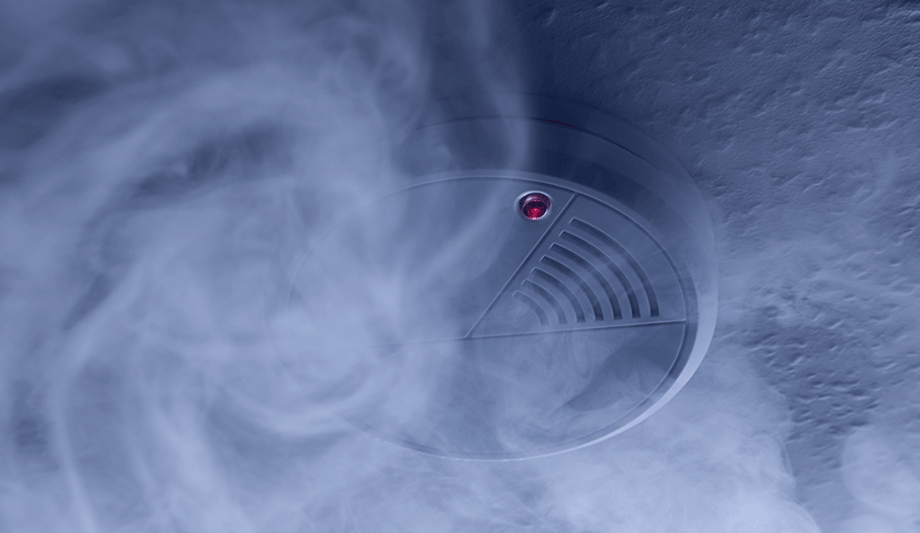
It’s very important for them to install and maintain fire alarms and smoke detectors. Ensuring fire extinguishers are accessible and in working condition. They should keep emergency exits clear and properly marked.
Conduct a fire risk assessment
A fire risk assessment helps to identify potential fire hazards in the business and take the steps to reduce the same. They need to look for flammable materials and check for faulty electrical wiring or overloaded circuits. It is vital for them to evaluate the fire risks in different areas as office cases as a risk of electrical fires from computers and wiring.
Kitchens have a risk of grease fires and gas leaks. Warehouses have a risk of fire spreading quickly due to stored materials. They should completely remove unnecessary flammable materials and upgrade old wiring and appliances and train employees on safety equipment use.
Implement fire prevention measures
Always keep storage areas cool and well ventilated and dispose of flammable waste properly
They need to schedule regular electrical inspections and avoid overloading circuits and using damaged fire wire. Train employees to report electrical issues immediately.
Store flammable items and other elements in fire-resistant cabinets. Always keep storage areas cool and well ventilated and dispose of flammable waste properly. They should maintain heaters and kitchen appliances regularly and clean the grease buildup in exhaust hoods.
Develop an emergency response plan
They must know that an emergency response plan ensures everyone knows what to do if a fire occurs. If they see a fire activate the fire alarm immediately and call emergency services and provide the location. It is very important for them to use a fire extinguisher to put out small fires.
If the fire spreads quickly, do not attempt to fight it. Follow the designated evacuation routes and assist disabled or injured people. They should always gather at the assigned meeting point outside and perform a head count to ensure that no one is left behind. Always wait for emergency responders to arrive. Post fire evacuation maps throughout the workplace to help employees find the safest exit.
Employee training and fire drills
They need to ensure that their employees know how to recognize fire hazards and prevent workplace fires
Training employees on fire safety saves lives in an emergency. They need to ensure that their employees know how to recognize fire hazards and prevent workplace fires.
Evacuation procedures and emergency exits are a must. They should schedule fire drills at least twice a year and use a different fire scenario for each drill while evaluating employee response time and making improvements.
Maintain fire safety equipment
Fire safety equipment must be functional at all times to be effective. Fire alarms and smoke detectors should be tested monthly. Fire extinguishers must be inspected and recharged regularly. Sprinkler systems they must need professional maintenance.
So, above all, they need to know that creating an effective safety plan protects lives, property, and business operations. By following all the steps, they can truly minimize the fire risks and train the employees for emergencies and ensure compliance with fire safety regulations.