Expert Commentary

With so many of us having been confined to our homes over the past few months, it’s fair to say that we have started to notice more about our living environments. As we’ve become increasingly familiar with our surroundings, some of us have had the urge to change them. DIY projects have surged, gardens have been given a new lease of life and the rooms around our homes have been decorated (twice in some cases). Doors and fire safety It’s always nice to put up new wallpaper and...

2020 introduced a variety of unique challenges for many industries around the world. Not surprisingly, the fire detection industry was not immune to all of those challenges. However, as much of the global community defined our manufacturing and installing peers as “essential” or “critical” it required us, as an industry, to adapt so we could continue to service our customers with our products and services. Many regions around the world are experiencing significant deman...

The fire industry has made it absolutely clear, led by authorized bodies including the BAFE Fire Safety Register, that the current pandemic does not remove the need to comply with any fire safety requirements under the Building Regulations. As we now look beyond the lockdown period, John Allam, Operations Director at Amthal Fire and Security reviews the raft of new proposals demonstrating the Government and industry’s commitment to compliant fire safety and new immediate demands placed on...
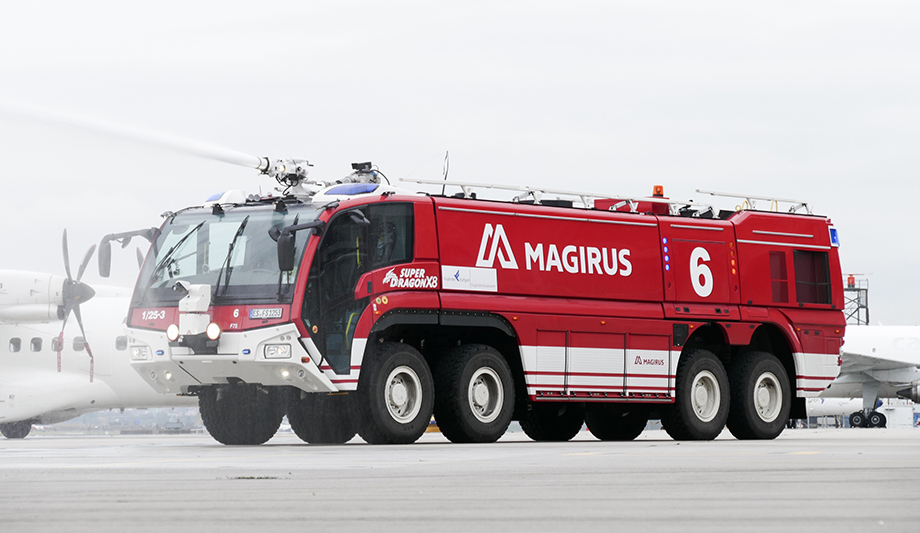
For those responsible for procuring and managing fire vehicle fleets, speed, driveability and reliability are paramount concerns. As well as the ability to accelerate, slow and stop rapidly and safely in city traffic, fire engines need to be highly manoeuvrable in tight spaces or on rough terrain. They are required to access many different types of environment at high speed, and, even more than other types of heavy-duty vehicles driven at slower speeds by professional lorry drivers, they need t...

New government legislation due to come into force in the United Kingdom on July 1st will require electrical installations in privately rented properties to be tested and inspected at least once every 5 years. The Electrical Safety Standards in the Private Rented Sector Regulations (2020) will require landlords to enlist qualified electricians to complete inspections and provide certification to tenants – or face fines of up to £30,000. While the risk of fire can never be entire...

There have been challenges with completing fire safety maintenance and installation projects during the current Covid-19 crisis, most notably as a result of the difficulties for installers in safely accessing sites. Many construction projects halted for lockdown and this resulted in approximately 50% of the British installers we work with having to furlough staff. The challenges, however, are not just restricted to the UK. With Kentec panels sold in more than 90 countries across the world, we ha...

Through this pandemic, many technologies have leapt into our day-to-day lives of lockdown and working from home, becoming an absolute necessity, as opposed to an alternative reserved for the young and tech-savvy. Whether it’s conference call platforms, social media, multimedia mediums or internet shopping, we are now relying on these technologies for everything. They are keeping businesses moving, they’re putting food on our tables and they are helping us keep in touch with our love...

Over the last decade, fire protection has been transformed by the rise of addressable, IP-based devices embedded in networked fire alarm system infrastructure. The scalability and modular architecture of digital fire alarm systems has unlocked a new level of fire safety, for instance by pinpointing the exact location of a triggered smoke detector in an alarm, or by interfacing with public address systems for phased building evacuations. For system integrators, installation and maintenance of ala...

Protecting against fire and security risks is an essential aspect of life for people and across all sectors. However, there is an increasing expectation and demand on fire and security providers, in areas such as education. The securitisation of our world paired with the rapid speed of communication and news updates means that young people especially have the potential to be more aware of potential dangers and threats to their own safety and the safety of those around them. Education institutio...

The effective provision and management of on-site fire safety, prevention, response and protection is a core responsibility of operators of hazardous high-risk critical infrastructure and industrial manufacturing facilities around the world. Such services are typically found at airports, refineries and petrochemical plants, power stations and nuclear facilities, mines, manufacturing sites and port facilities. Driven by legislative requirements and international fire safety standards, many organ...
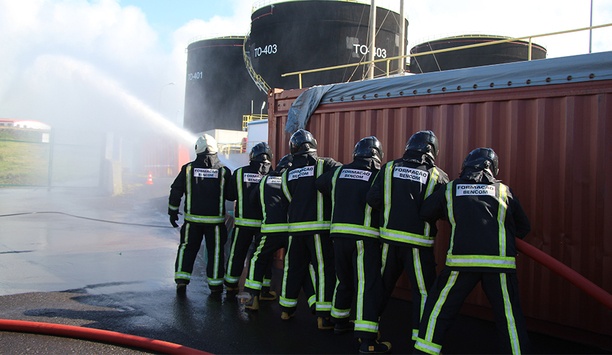
Across the world, fire and rescue services vary greatly, and each will have their own unique circumstances and challenges to deal with. Firefighters in the USA and Australia are more likely to face wildland fires, whilst in the Middle East, firefighters deal more regularly with transport related fires involving hazardous materials. In many European countries, less than 10% of call-outs are fire related at all, with firefighters much more likely to attend traffic accidents, medical emergencies o...

Those responsible for the specification of products which go into new modern buildings have been asking for safe, approved cabling, which play a critical part in electrical supply systems. The number of fires in high-rise buildings in Europe and the Middle East have brought the issue of quality of products for fire performance circuits into sharp focus, not least the Grenfell disaster. Meanwhile, new buildings become increasingly complex, with the use of new materials and the designs of many r...

Water is key to any firefighting operation. Being able to secure an adequate water supply is critical a critical skill for all fire departments. One of the most challenging scenarios to secure a water supply in is when there is no municipal water supply, or it is lacking in volume and flow. When fires occur in these areas, the only alternative is to shuttle water from the nearest municipal supply or a static body of water. To get the highest flow possible, departments must train on shuttle set...

Across the country, law enforcement officers are finding it increasingly difficult to respond to the near overwhelming number of calls coming from security alarms. Police departments commonly define a false alarm as a call, which upon investigation, shows no evidence of criminal activity, such as broken windows, forced doors, items missing, or people injured. While false alarms bog down police, they can also negatively impact customers and integrators. End users can expect hefty fines for fals...

Did you know an estimated 30% of smoke alarms in the UK are inoperable due to missing, flat or disconnected batteries? For a property to comply with The Regulatory Reform (Fire Safety) Order 2005, it is vitally important that all fire safety equipment is kept in perfect working order at all times. This involves checking that the fire safety equipment is accessible, well maintained and hasn’t been tampered with. There are many ways you can take care of your fire safety equipment, to ensur...

I gave a lot of thought to identifying the biggest challenge facing the American fire service in 2019. Many things came to mind: funding; fire prevention - if every building was sprinklered and all had working smoke alarms, it would solve a lot of other problems; political influences; initial, regular and ongoing training, and a bunch more. But the one constant that kept popping up is the people issue. Staffing. This obviously isn’t the first time you’ve heard that. Normally, when w...
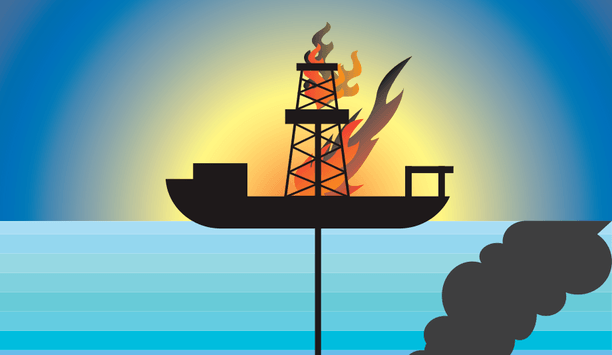
The original fire suppression agent has always been, of course, water. In the age of sail, it was ideal. Not so with the advent of the combustion engine, however. When applied to burning petroleum, the fire spreads. It also simply destroys electronics. Carbon dioxide (CO2) and Halon derivatives were the first widely used commercial fire suppression solutions, gaining popularity in the 1950s and '60s. Unlike water, they were highly effective, electrically non-conductive and didn't leave any resi...
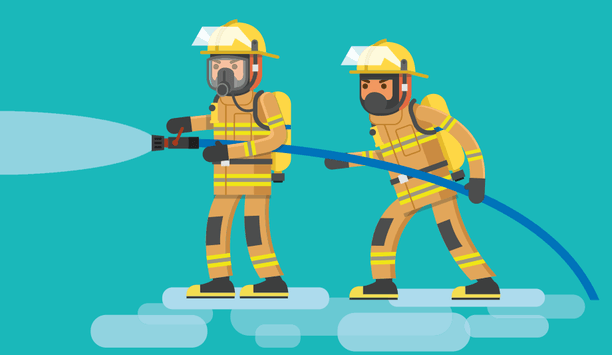
Firefighting is hot, hazardous, and let's face it, grueling work. But believe it or not, the job today has become even more challenging as firefighters must deal with increased heat loads, toxic substances and other physical challenges that make structural firefighting one of the most demanding professions on the planet. So, needless to say, being well-trained, physically fit, and safely equipped can make all the difference in the world. Evolving Technology The fact is, as heat loads and toxic...

In order to recruit and retain, you must change your mindset to that of a business. While we continue to scratch our heads on how to recruit and retain members among the ranks of our departments, we might want to take a look at ourselves. Sometimes looking in the mirror is a hard thing to do, as it may give us a clear view of who and what we are as an organization. For years, the volunteer fire service has had to overcome many obstacles such as funding, a not-so-friendly environment or poor lea...

Maintaining adequate staffing is a key challenge facing many volunteer fire departments. While not a new issue, increasing population and call volumes along with the expanded services many volunteer departments now provide have made recruiting and retaining volunteers a top priority in the fire service. The federal government supports volunteer recruitment and retention through the Staffing for Adequate Fire and Emergency Response (SAFER) grant program, administered by the Federal Emergency Man...

Products for electrical systems that are installed into modern, complex buildings have to be fit-for-purpose for today’s challenging demands. With the background of numerous incidents still being felt by the fire performance industry, how is it to set the benchmarks for the future to make sure there is never another Lakanal House or another Grenfell? The long-term answer is for clearer guidance and legislation, if necessary, to enable the whole supply chain to make decisions which are com...

The continuity of power in the event of a real fire has never been more important as modern buildings become more complex and the need for the highest quality of products comes under the spotlight. With power for lighting and fire alarms, the fire and rescue services can use the intelligence gathered to evacuate people quickly, confident that they have found all the people in the building. Without power, they are literally scrambling in the dark without good information upon which to make thei...
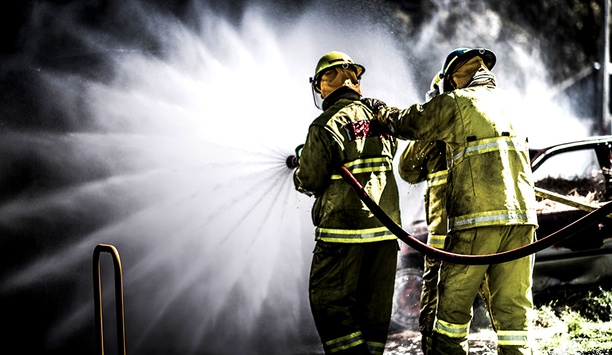
Want to know an easy way to judge the quality of a fire department? Look at how much they train. Career, volunteer or combination, fire departments become successful through training. Yet all training is not equal. Focus too much on hands-on training (HOT) and you could be missing important legal and compliance updates. Lean heavily on web-based training and you may fail to identify shortcomings in skills proficiencies. Keep students confined to a classroom and you may lose their interest quick...

While whole room protection – sprinklers or gas systems – is a common choice, there is an argument for thinking smaller; taking fire detection and suppression down to the equipment, enclosures and even the components where a fire is most likely to start. Traditional Fire Suppression Methods A traditional water-based sprinkler system is the most common form of fire protection found in commercial and industrial buildings. They offer reasonable cost, large area protection for entire f...

The era of “smart buildings” is here, bringing new opportunities for significant gains in efficiency, safety and environmental protection. In an interview, Rodger Reiswig, director of industry relations at Johnson Controls Global Fire Protection Products, offers his insights into the impact of smart buildings on fire detection and what it means for organisations planning new facilities. Q: How do you define smart buildings? The term “smart buildings” means different thi...
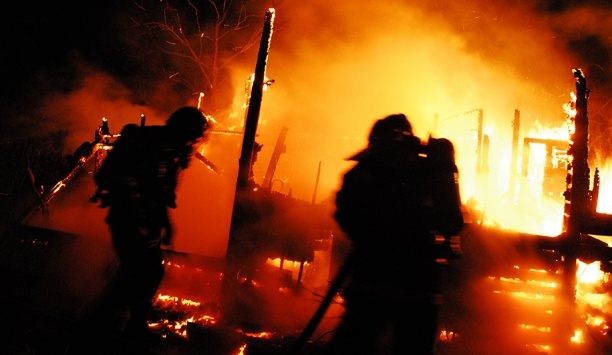
In communities of all sizes, fire crews are always in need of finding ways to improve preparedness and reduce risk. When fire departments use software systems that meet these needs, they stay safer and more informed on the scene. They also ensure that citizens stay safer during fire emergencies. Since the first organized response to a fire emergency began, firefighters have always made it a point to prevent injuries and minimize fire-related damage. However, since that time, technology has impr...
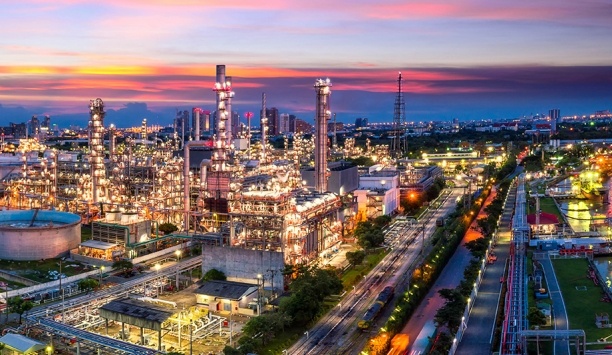
Within traditional commercial and industrial firefighting systems, engineers have primarily focused on permanent installation designs rather than entertaining alternative or supplemental mobile firefighting systems. Permanent installation design is typically better understood, supported, and supplied throughout the fire protection engineering and manufacturing community. However, mobile firefighting systems provide unique solutions and advantages compared to their permanent installation cousins...
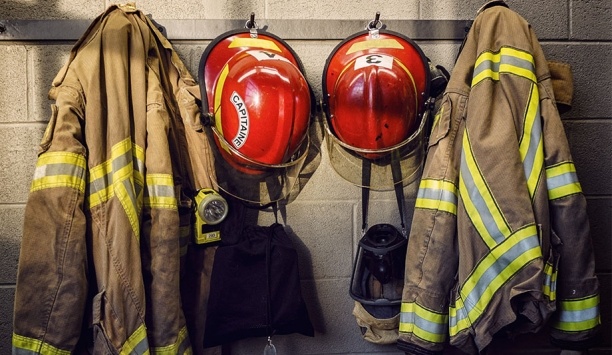
More than an outfit. More thought than one leg at a time. Putting on the uniform is not just an ordinary daily task, but a habitual part of preparing for the unexpected. Yes, a firefighter’s uniform is more than an outfit. Think about who is wearing it and the risks they are exposed to on a daily basis. The firefighter comes from a long line of heroes, a brotherhood and sisterhood, with traditions to uphold and a reputation to maintain. Their uniform is no different. Its historical navy-b...

A number of shocking incidents involving fire have highlighted the need to better manage risks in buildings. David Adkins, managing director at Risk Warden, explains why some organisations need to give compliance with statutory regulations more focus and how the use of state-of-the-art online risk assessment tools can help to ensure that a building is as safe as possible. The Grenfell Tower disaster in London, in which 72 people lost their lives, brought the subject of fire safety into sharp fo...

The fire and security industry as we all understand it today is due for a much-needed paradigm shift. The solutions that security dealers and integrators are installing and deploying today have advanced considerably and for many, those systems do an excellent job safeguarding the homes and small businesses of their customers. However, all of those installed solutions have one inherent flaw: traditional fire alarms and security systems are only reactive in nature. By reactive, we mean that altho...
Browse expert commentaries
Expert Section




Editor's Dispatch

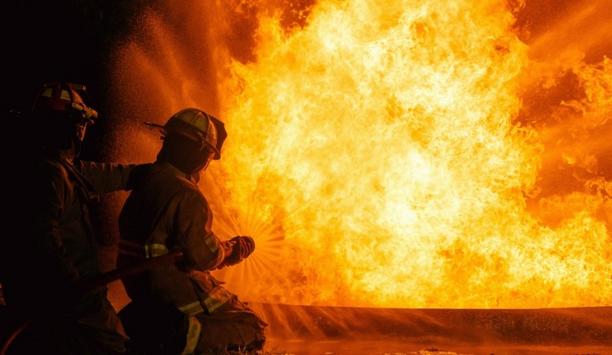
The New Future For Fire Agencies
Download
The Eight Key Trends in Fire Detection in 2023
Download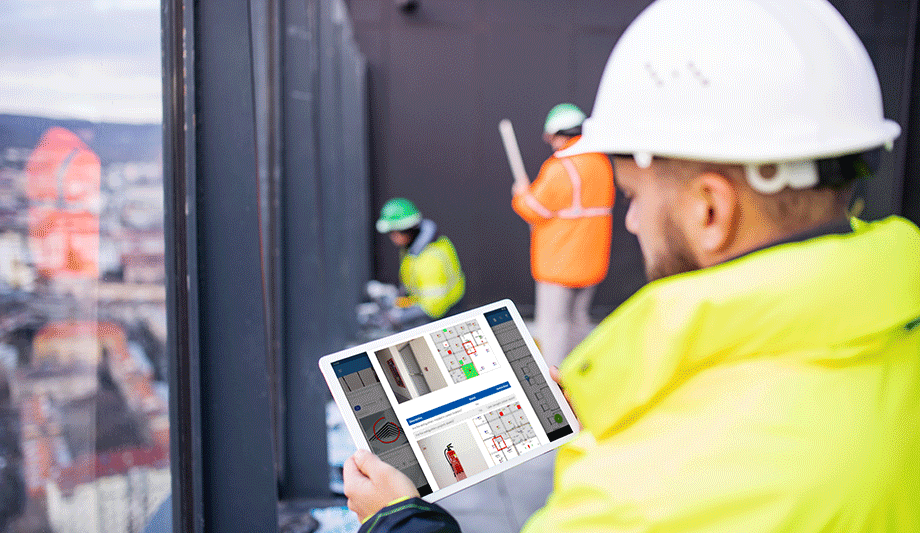
A Digital Platform to Improve Fire Safety Compliance and Inspections
Download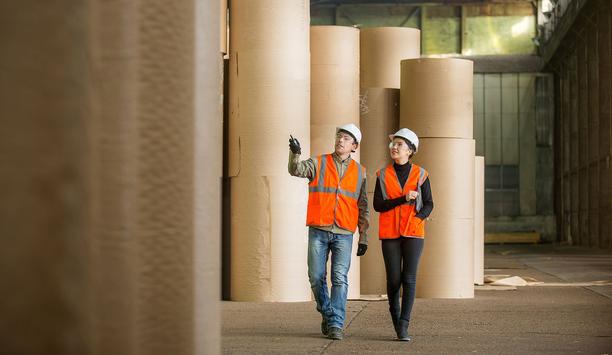
Overcoming the Challenges of Fire Safety in the Paper Industry
Download
Carbon Monoxide: Creeping Killer Caught In The Act
Download