Fire Detection - Expert Commentary

While whole room protection – sprinklers or gas systems – is a common choice, there is an argument for thinking smaller; taking fire detection and suppression down to the equipment, enclosures and even the components where a fire is most likely to start. Traditional Fire Suppression Methods A traditional water-based sprinkler system is the most common form of fire protection found in commercial and industrial buildings. They offer reasonable cost, large area protection for entire f...

The era of “smart buildings” is here, bringing new opportunities for significant gains in efficiency, safety and environmental protection. In an interview, Rodger Reiswig, director of industry relations at Johnson Controls Global Fire Protection Products, offers his insights into the impact of smart buildings on fire detection and what it means for organisations planning new facilities. Q: How do you define smart buildings? The term “smart buildings” means different thi...

A number of shocking incidents involving fire have highlighted the need to better manage risks in buildings. David Adkins, managing director at Risk Warden, explains why some organisations need to give compliance with statutory regulations more focus and how the use of state-of-the-art online risk assessment tools can help to ensure that a building is as safe as possible. The Grenfell Tower disaster in London, in which 72 people lost their lives, brought the subject of fire safety into sharp fo...

The fire and security industry as we all understand it today is due for a much-needed paradigm shift. The solutions that security dealers and integrators are installing and deploying today have advanced considerably and for many, those systems do an excellent job safeguarding the homes and small businesses of their customers. However, all of those installed solutions have one inherent flaw: traditional fire alarms and security systems are only reactive in nature. By reactive, we mean that altho...

A new study reveals that intelligent fire detection systems have the potential to unlock more than 30 percent cost-savings on routine maintenance checks through real-time, data-driven remote monitoring. Kevin Mears, Product Manager for Kentec Electronics, describes how remote monitoring and predictive maintenance can meet the competitive challenges of the digital age. Leading economists have identified the convergence and synergies delivered by The Internet of Things – the interconnection...

Video Image Detection technology is proving to more effective in early fire detection than conventional systems Video Image Detection (VID) is a new technology for detecting fires that enables fast and reliable response, effective fire protection in difficult applications such as large open areas and excellent value for money. VID can also provide CCTV images for security purposes which makes the technology more valuable as Mark Kendall of Fike Safety Technology explains. Unl...

The risks associated with fire in the petrochemical industry, whether it be on production platforms at sea or on shore at oil terminals and storage facilities, have been brought into sharp focus by a number of high profile incidents, resulting in tremendous damage to infrastructure and sadly, in some extreme cases, the large-scale loss of life. This has caused the industry to look at new approaches such as Video Smoke Detection (VSD) to protect key elements of their infrastructure and to ensur...

Are new VA standards cause for alarm? Dr Steve Harrison, Product Engineering Manager at ASL Safety & Security, considers certification requirements in the voice alarm (VA) sector and how pending new standards will differ from predecessors. What's new, what should we be interested in, when are the implementation deadlines and what is the best route towards compliance? With major new voice alarm standards set to come into operation in Britain in 2011 (British Standard...

2008 saw a 15% increase in UK commercial fire damage After a 15 percent increase in commercial fire damage in the UK throughout 2008, the need for effective preventative fire protection is growing. Ian Moore, Managing Director of D-Tec (Detector Technologies Limited) explains how Video Smoke Detection (VSD) can help. Now more than ever organisations should carefully consider the impact that large scale fires, left unchecked, can have on their operations and take...

In this article, Ian Moore, Managing Director of D-Tec (Detector Technologies Limited) explains the issues involved in protecting against fire hazards in aircraft hangars There is little doubt that aircraft hangars, due to their sheer size and volume, represent an especially testing environment when it comes to fire safety. More specifically, the potential to actually detect smoke before a large-scale fire has taken hold may be problematic using conventional methods, due the way smoke and fire...

Fire safety in road or rail tunnels is critical in avoiding potentially disastrous incidents Roger Wilton, Assistant Technical Manager of the Fire Industry Association (FIA), explains the challenges of preventing underground fires. Fires in tunnels tend to make headline news, largely because of the potential loss of life that such an incident presents. At the turn of the new millennium three catastrophic fires in as many years ensured that tunnel protection beca...
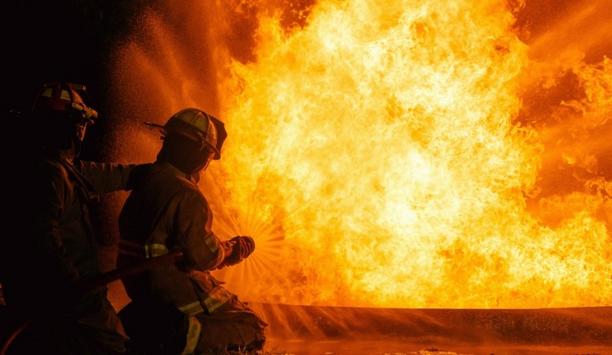
The New Future For Fire Agencies
Download
The Eight Key Trends in Fire Detection in 2023
Download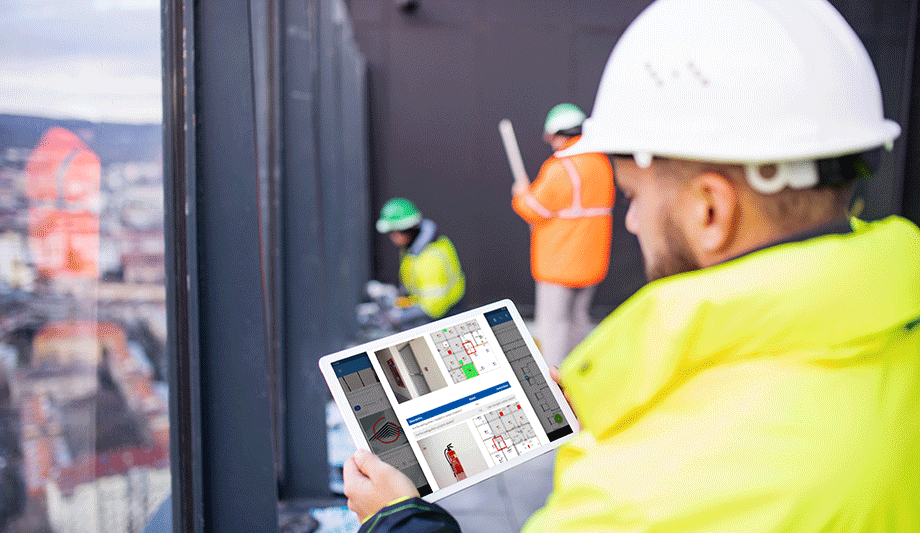
A Digital Platform to Improve Fire Safety Compliance and Inspections
Download
Overcoming the Challenges of Fire Safety in the Paper Industry
Download
Carbon Monoxide: Creeping Killer Caught In The Act
Download