Fire-Dex, Inc. - Experts & Thought Leaders





















Latest Fire-Dex, Inc. news & announcements

Fire investigators have long worked in a gray area of protection where full structural turnouts are overkill, but single-layer garments may not cover every single hazard they encounter. For decades, there hasn’t been gear built for the unique demands of post-fire scenes. But that’s about to change. Fire-Dex, a global pioneer in PPE for first responders, announced that it is launching its new Fire Investigation PPE, the first protective ensemble designed specifically for fire investigators. The patent-pending Fire Investigation PPE bridges the long-standing gap between heavy turnouts and imperfect alternatives by balancing protection, mobility and breathability in a way that finally gives fire investigators the right tool for the right job. Built on Real Feedback Most fire investigators are forced to wear gear made for the wrong environment. Fire-Dex, as part of its long-standing commitment to maximizing first responder safety through game-changing innovations, worked with some of the top fire investigators across the country to design gear from the ground up that doesn’t compromise. Fire investigators asked for waterproofing, but not so much that the garment isn’t breathable. They asked for a solution that would help them stay cool during hot summer months. They asked for features that would give them easy access to the unique tools they use. The result? Purpose-built gear for fire investigators. Fire-Dex built gear that moves like fire investigators move, protects where they need it most, limits the risk of heat stress on hot days and won’t weigh them down during long hours on a difficult scene. Supporting first responders “Everything we design at Fire-Dex is designed to help first responders be at their best,” said Todd Herring, Vice President, Product Innovation and Strategy at Fire-Dex. He adds, “Being at your best means that you are protected but free to do the work you need to do. For years, Fire-Dex has been at the forefront of PPE fit and function, innovating with unique patterns, radically redesigned garments and utilizing the latest in material science. We brought all that to this PPE to finally give fire investigators the gear they’ve been asking for.” The Fire Investigation PPE rethinks what protective gear should actually do to make every investigation scene more manageable. This led Fire-Dex to incorporate key features like: Smart waterproofing covers specific areas to provide protection where it’s needed and enhanced breathability where it’s not. Integrated knee pads for long stretches spent kneeling and climbing. Strategic venting panels, based on the same patent-pending technology found in Fire-Dex’s AeroFlex turnouts, supercharge the garment’s breathability while still blocking particulates. Pass-Through pockets for easy access to firearms, ID or any other tools fire investigators need to carry or display. Phone Storage in a specialized waterproof pocket for easy, protected access. Behind each of these accommodations is TECGEN51 fabric, Fire-Dex’s proven alternative PPE fabric that has been trusted by tens of thousands of first responders across the country for nearly two decades, and is exclusive to Fire-Dex. Lightweight, durable and breathable, it’s the backbone of the new Fire Investigation PPE. Post-fire environment There are many pitfalls in a post-fire environment: sharp debris, soggy ashes, structural instability and hidden contaminants are present at nearly every scene. Fire-Dex acknowledged that reality and delivered a solution that finally aligns with both safety standards and the practical work of fire investigation. The Fire Investigation PPE is also part of a larger non-structural PPE ecosystem. Paired with Dex-Rescue Gloves, FDXL90 Boots and particulate-blocking hoods from Fire-Dex, investigators can step into a scene with an integrated, lightweight ensemble designed to keep them safe, comfortable and focused on the task at hand. Another first-of-its-kind innovation in fire gear from the fastest-growing manufacturer of head-to-toe PPE, the Fire Investigation PPE is now available for purchase by requesting a quote to be connected to a Fire-Dex distributor.

Fire-Dex, North America’s fastest-growing manufacturer of head-to-toe PPE for first responders, announces the appointment of Ben Pfahl as its Chief Information Officer (CIO). With this leadership expansion, Fire-Dex is putting weight behind its promise to lead with tech, execute with excellence and grow with intention in shaping the next generation of gear designed to serve those who serve. As CIO, Pfahl will lead Fire-Dex’s enterprise technology strategy and oversee the Information Technology team as it aims to accelerate digital transformation, enhance data security and ensure seamless integration of business systems across Fire-Dex and its subsidiary - Gear Wash. Extensive industry Experience Pfahl brings over two decades of IT and digital leadership experience Pfahl brings over two decades of IT and digital leadership experience, most recently serving as Vice President of IT & Digitalization and Regional CIO – Americas at global automotive and industrial supplier - Schaeffler Group. During his 21-year tenure, Pfahl led major technology transformation initiatives, implemented enterprise resource planning (ERP) systems, such as SAP, and spearheaded cross-regional integration of IT operations across North and South America. Ben Pfahl appointed as Chief Information Officer (CIO) “Ben’s appointment marks an important milestone as Fire-Dex continues to scale its operations and invest in forward-thinking solutions,” said Lauren Burke DeVere, President of Fire-Dex. Lauren Burke DeVere adds, “His track record of aligning technology with business strategy, leading high-performing teams and driving measurable results will be instrumental as we build the next generation of tools and services for our customers.” Climbing the Ladder This leadership addition follows a period of meaningful executive transition at Fire-Dex This leadership addition follows a period of meaningful executive transition at Fire-Dex. Earlier this year, longtime CEO Steve Allison announced his upcoming retirement, with Lauren Burke DeVere set to become CEO in 2026. At the same time, John Karban, current VP of Operations, will step into the role of President, bringing decades of operational expertise to the mix. Together with Pfahl, DeVere and Karban represent the next generation of Fire-Dex leadership that balances continuity, fresh perspective and the addition of a CIO role to accelerate innovation. Joining Fire-Dex “I’m honored to join a mission-driven organization like Fire-Dex, whose values of protection, service and ingenuity strongly resonate with me,” said Ben Pfahl. He adds, “I look forward to working alongside the executive team and our dedicated IT professionals to deliver solutions that support our people, partners and customers.” A Fire Services First The appointment of a CIO further builds on Fire-Dex’s recent momentum in the digital space, including the launch of its Virtual Sizer. This AI-powered tool is the first to simplify the firefighter gear-fitting process by using a few simple inputs to generate a precise digital profile. For departments and dealers, less fumbling with tape measures and numbers means faster fittings, fewer sizing errors and a better experience for the wearer. Because Fire-Dex believes in tech with a mission: to put confidence in the hands of the people who need it most. Ready for growth With the CIO role now in place, the company is poised to accelerate this kind of forward-thinking development across the business. Pfahl holds an MBA from Ashland University and a bachelor’s degree in management information systems and international business from Bowling Green State University. He resides in Medina, Ohio, with his wife and three children, and volunteers as head coach of the Medina High School Girls Rugby Team.
Fire-Dex, a pioneer in PPE for first responders, is gearing up for its next chapter, announcing a leadership succession as CEO Steve Allison looks toward retirement in early 2027. Effective at the start of 2026, Lauren Burke DeVere, Fire-Dex’s current President, will move into the CEO position, sharing duties with Allison for 15 months as part of a phased transition. In a parallel move, John Karban, current VP of Operations, will assume the title of President. Leaning into its core values True to its roots, Fire-Dex is once again leaning into its core values by keeping its family-first culture front and center. “It’s been the honor of my career to lead this incredible team,” said Steve Allison, who has been with Fire-Dex since 2014. “We’ve built something really special here that’s driven by innovation, fueled by passion and always anchored by a deep respect for the fire service. Lauren and John are not only exceptional pioneers but also deeply understand what makes Fire-Dex ... Fire-Dex. I have full confidence they’ll take us to new heights while staying true to what sets us apart.” Climbing the Ladder Lauren brings a unique mix of fresh vision and deep personal investment in the company’s legacy Lauren’s rise through Fire-Dex has been both dynamic and personal. Joining the company in 2019 as a Metro Sales Manager, she quickly made her mark by earning the promotion to President in 2021. Since that time, she has guided the company through transformative growth, the complexities of COVID, and major strides in innovation that include gear that caters to all body types—helping a new generation of female firefighters find their fit. As the daughter of Fire-Dex chairman and owner Bill Burke, Lauren brings a unique mix of fresh vision and deep personal investment in the company’s legacy. Steve’s footsteps “Fire-Dex is part of who I am,” Lauren said. “It’s humbling and exciting to step into the CEO role, especially following in Steve’s footsteps. We have an incredible team." "I care for our people more than anything, and I’m laser-focused on keeping our culture strong, our people supported and our mission front and center—delivering the best protective gear to the world’s bravest. We’re growing again, and I won’t stop until Fire-Dex is number one.” One Unified Vision Stepping into the President’s seat is John Karban who has been at the heart of the company’s efforts Stepping into the President’s seat is John Karban who has been at the heart of the company’s efforts for over 20 years, advancing from Plant Manager to tackling a wide scope of operational, engineering and logistics challenges as VP of Operations. Whether ramping up output, pioneering supply chain efforts or driving lean transformations, he has been a key player throughout. “I’ve worn a lot of hats here,” said John. “From running machines to running meetings, and all the tasks in between. What’s never changed is the heart of this company: our people and our purpose. I’m excited to take on the role of President and work alongside Lauren and our team to keep building on what makes Fire-Dex special. Protecting our culture is job one; pushing the company forward is job two.” Looking Ahead Fire-Dex’s succession plan reflects its deep bench of homegrown leadership and ongoing dedication to its people-first, customer-centric ethos. More than 500 associates, multiple facilities—and Fire-Dex isn’t slowing down. From AeroFlex® turnouts that are a breakthrough in breathability, to the first AI tool to size firefighters, to expanded Gear Wash clean and repair services, to new manufacturing capabilities, the mission stays clear: serving those who serve. “This is an exciting time,” Steve added. “We’re not slowing down. And I’m thrilled to support Lauren and John through this transition as they shape the future of Fire-Dex together.”
Insights & Opinions from thought leaders at Fire-Dex, Inc.

For firefighters, sleep is a valuable commodity. But duty often calls no matter what the clock says. Sleep deprivation Indeed, sleep deprivation is a common challenge for firefighters everywhere. The job often demands long shifts peppered with irregular and unpredictable sleep patterns, not to mention the incredible stress that can be inherent to the profession or the physical demands of a long career in fire service. Prioritizing good sleep habits Sleep is the body's natural way of repairing and recovering from the physical and mental demands of the job. It's during rest that your bodies heal and prepare for the challenges that lie ahead. It's during rest that your bodies heal and prepare for the challenges that lie ahead But did you know that sleep deprivation is linked to several negative health outcomes, including poor heart health? For the firefighting community nationwide, it’s worth investigating these links, prioritizing good sleep habits and how to put them into practice. Let’s explore. Why Sleep and Heart Health Are Linked A recent nationwide survey found that 37% of firefighters were at high risk for sleep disorders. These firefighters had a significantly higher risk of motor vehicle crashes, cardiovascular disease, diabetes, and mental health issues. Meanwhile, according to the National Fire Protection Association, cardiac events which include those occurring within 24 hours of nonroutine strenuous or stressful physical activity while on duty remain one of the leading causes of death among firefighters. Problems with sleep deficiency According to the Centers for Disease Control and Prevention (CDC), most adults need seven hours of sleep each night but 1 in 3 adults say they don’t get the recommended amount. Getting enough hours of sleep ensures that you can function at peak performance While short-term sleep deprivation might seem manageable, prolonged sleep deficiency can lead to serious health problems and exacerbate existing conditions. Getting enough hours of sleep ensures that you can function at peak performance. Negative outcomes Negative heart-related outcomes that can be associated with poor sleep include: High Blood Pressure: Sleep problems can keep blood pressure elevated for longer periods, which increases the risk of heart disease and stroke. Type 2 Diabetes: Inadequate sleep can affect blood sugar control and increase the risk of developing diabetes, which can further harm blood vessels. Obesity: Lack of sleep can lead to unhealthy weight gain, particularly among children and adolescents, and may influence hunger control. For these reasons, getting a good night’s sleep should not be viewed as a luxury. It's a necessity. And just as firefighters equip themselves with the right gear to safely put out fires, you should also equip yourself with the knowledge and habits necessary to protect your heart. How to Improve Your Sleep Habits Though the duties of firefighting will inevitably call, that doesn’t mean first responders can’t apply good sleep habits when possible. Here are a few tips you can use: Create a Sleep-Friendly Environment. Keep your bedroom cool, dark, and quiet for better sleep quality. Limit Exposure to Blue Light at Bedtime. Blue light emanates from electronic devices like your smartphone. Consider putting your phone down or using blue light filters on your devices at night. Prioritize Relaxation. Relaxation promotes long-term health and wellness. Breathing exercises and progressive muscular relaxation can trigger the response, helping you switch gears and fall asleep more easily. Stick to a Regular Sleep Schedule. This is a tough one for firefighters, but going to bed and waking up at the same time every day, even on weekends, can help regulate your body's internal clock and promote better sleep. Apply this tip when possible. Watch Your Diet. During long shifts, pack yourself healthy snacks or meals, but avoid eating or drinking within a few hours of bedtime, especially alcohol and fatty or sugary foods. Get Natural Light. Exposure to natural light can help regulate your sleep-wake cycle. Engage Regularly in Physical Activity. Regular exercise, particularly early in the day, can improve sleep quality. Applying these tips may help you attain better sleep and thus mitigate some risks toward serious health conditions in the future. For firefighters, sleep is worth taking seriously. It’s an important part of maintaining effective service for your community.
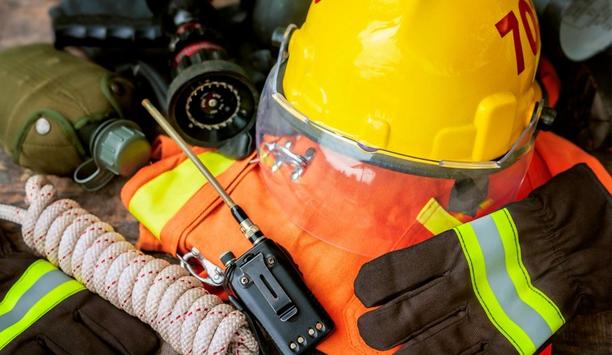
Trends in garments and protective gear for firefighters are evolving to address the changing needs of the fire service. Garments worn by firefighters must be comfortable and allow an adequate range of motion. They must protect first responders from hazards such as heat and exposure to blood-borne pathogens. Fire service clothing must be durable to withstand long-term usage in hostile environments. “It’s personal for everyone in the industry,” says Oliver Spoecker, Director, Workwear & Protective Wear and Global Commercial Director for Lenzing. “Firefighters have to be kept safe by the best all-around protective fabrics.” He says fibers must be comfortable, breathable and safe.” Fire-Resistant qualities Flame resistance is a fundamental property for fibers in the fire service. Lenzing FR (Flame Resistant) Fibers are sustainably produced on three continents by the multi-billion-dollar company. The cellulosic fibers come from wood and then are made inherently flame retardant by introducing a pigment into the carbon matrix that provides fire-resistant qualities. Another concern in the fire service is stress from excess body heat caused by exertion The flame resistance is an integral part of the fiber and therefore cannot be washed out or worn out over time; the fire resistance endures as long as the garment. Another concern in the fire service is stress from excess body heat caused by exertion, and FR fibers are breathable to address the issue. Because the fiber comes from natural substances, there are no dangers of exposure to skin. Fire service market Lenzing fibers are familiar to ex-soldiers who later become firefighters. The uniforms of U.S. soldiers in Iran and Afghanistan contained Lenzing fibers. In fact, the breakthrough in military applications gave the company a push to enter the fire service market in 2007. DuPont produces Nomex Xtreme Performance fibers that provide protection, thermal performance and toughness for firefighters. They contain the heat and flame protection of DuPont Nomex with the lightweight strength of DuPont Kevlar, and the thermal damage tolerance and durability of high-performance materials such as PBO, Nomex Nano, and Nomex Nano Flex. Nomex fibers are incorporated into garments by manufacturers such as Fire-Dex, Globe Manufacturing, Lion, Veridian, and Viking. Comfort and flexibility are guiding the development of newer garments. Lighter-Weight jackets A triple-certified garment addresses the budget restraints of many departments For example, 5.11 Tactical has introduced lighter-weight jackets, outerwear, and a duty uniform that combine an ‘old-school’ aesthetic with better comfort and a better range of motion. Flexible fabrics, including a polyester-cotton blend, and adjusted fit are elements in the new line. Viking has introduced the new Viking Shield clothing line that meets the requirements of three different applications: technical rescue and extrication (NFPA 1951), emergency medical services (NFPA 1999), and wildland firefighting (NFPA 1977). A triple-certified garment addresses the budget restraints of many departments. The approach is cost-effective and cost-efficient, says Grant Grinstead, Viking’s Fire Segment Sales Manager for North America. Providing structural protection A surprising element is how lightweight the garment is. “A lot of firefighters are shocked because they didn’t know there was a product like this,” says Grinstead. “The big thing is the light weight and the feel of it, and it is made in tailored sizes.” Viking has provided structural protection (turnout gear) to firefighters for two decades. Introduction of the new Shield product can help reserve a company’s turnout gear for the 30 to 40% of calls that require it. For the other 60 to 70% of calls, the new multi-use, lightweight garments can provide more comfort for firefighters.
The New Future For Fire Agencies
Download
The Eight Key Trends in Fire Detection in 2023
Download
A Digital Platform to Improve Fire Safety Compliance and Inspections
Download
Overcoming the Challenges of Fire Safety in the Paper Industry
Download
Carbon Monoxide: Creeping Killer Caught In The Act
Download
Fire-Dex Honor
Fire-Dex Nomex IIIA Assault Express Gear
Fire-Dex Nomex IIIA Traditional Express Gear