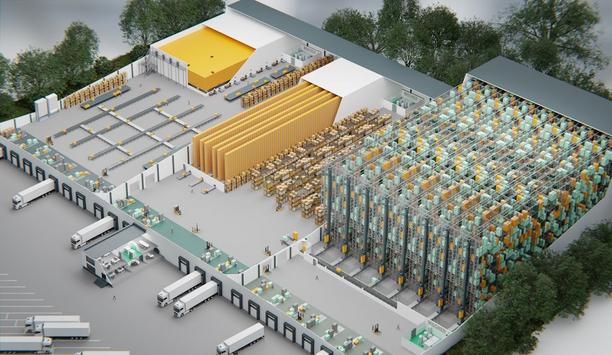
A modern warehouse is a hub of potential fire hazards, making it crucial to minimize risks across sectors like logistics, storage, or manufacturing.
To address this, Total Fire Group has outlined the common causes of warehouse fires and ways to mitigate them.
Electrical Equipment and Lighting
Faulty electrical equipment, exposed wires, and lighting issues are frequent causes of warehouse fires. Implementing a diligent monitoring system is essential for preventing fires.
Regular checks and maintenance of lighting sources and electrical components should be recorded and monitored. Any faulty equipment must be either repaired or replaced to avoid fire hazards.
Rubbish and Waste Management
The routine operations of a warehouse generate a significant amount of rubbish and waste
The routine operations of a warehouse generate a significant amount of rubbish and waste, often including combustible materials.
Keeping these materials away from open flames or unmonitored heat sources is critical in reducing fire risk.
Heating Systems
Warehouses typically require heating systems due to their large open spaces, especially in colder seasons.
However, outdated systems, poor placement, and negligent use can pose severe fire risks. Installing an efficient fire sprinkler system can be crucial in preventing disasters and allowing time for successful evacuations.
Handling Combustible Materials
Warehouses dealing with combustible materials face increased fire risks. Preventive measures include up-to-date employee training to ensure compliance with safety guidelines and the installation of adequate fire suppression systems.
Importance of Fire Risk Assessments
Regular and detailed fire risk assessments are vital to enhancing safety in active warehouse environments. These assessments should be specific to the space’s function and reflect the most current safety standards.
Total Fire Group offers BAFE-approved bespoke fire risk assessments, allowing users to create tailor-made templates suited to their specific needs, ensuring that safety procedures are effective and applicable.
A modern-day, busy warehouse is rife with potential fire risks and hazards. No matter what sector the warehouse operates in, such as logistics, storage, or manufacturing, it’s vital to do everything one can to minimize fire risks as much as possible.
To help people do just that, Total Fire Group has compiled the most common causes of fires in warehouses and what people can do to minimize those hazards. Many warehouse fires begin with faulty electrical equipment, exposed wires, or lighting problems.
Electrical equipment and lighting
The best way to prevent a fire from starting is to have a carefully followed monitoring system
The best way to prevent a fire from starting is to have a carefully followed monitoring system to repair any problems before they start a blaze.
This means ensuring each component of lighting sources and electrical equipment is regularly checked and maintained, with the results recorded and monitored for regular inspection.
Any faulty equipment should either be removed and replaced or removed and repaired.
Rubbish and waste
A busy warehouse by nature will generate a substantial amount of rubbish and waste, and this is a common cause of warehouse fires.
Often containing combustible materials, rubbish and packaging materials need to be situated far away from any possible open flames or unmonitored heat sources to minimize the risk of fire.
Heating
Warehouses often contain large open spaces for employees to work within, which makes heating equipment common within warehouses across the country – especially in the colder months.
However, having old systems in place, having these heating systems situated poorly, and negligent behavior all pose a serious fire risk and all have the potential to result in a life-threatening fire.
Having a suitable fire sprinkler system installed can mean the difference between disaster and creating enough time for a successful evacuation plan to be carried out.
Combustible materials
Warehouses that store, transport, or manufacture combustible materials are at greater risk of a fire occurring
Warehouses that store, transport, or manufacture combustible materials are at greater risk of a fire occurring.
Combustible materials are a key source of workplace fires, and steps should be taken to ensure this particular risk is minimized.
Up-to-date and thorough training of employees to ensure guidelines are followed, and no risks are taken when moving or handling these liquids is essential, as well as adequate fire suppression features.
Warehouse fire risk assessments
Conducting regular and thorough warehouse fire risk assessments is the best way to minimize the risk of fire within the workplace.
In these live and active environments, fire risk assessments need to be accurate, up to date, and thorough to ensure the highest standards in fire safety and to minimize risks. When conducting a warehouse fire risk assessment, the specific function of the spaces should always be taken into consideration.
Total Fire Group’s bespoke fire risk assessments
This is where Total Fire Group’s bespoke fire risk assessments can help. Their BAFE-approved fire risk assessments allow users to create bespoke templates that are unique to their space, meaning people are never stuck trying to fit a square peg into a round hole.
Users can create reports and assessments tailored solely to their needs, letting them spend less time on reporting and more time getting their job done.