Fire safety has long relied on proactive measures, and automatic fire sprinkler systems stand out as a proven solution for preventing both residential and commercial fires. According to Kord Fire Protection, these systems play a pivotal role in comprehensive fire protection strategies by serving as a first line of defense.
Design Parameters for Efficient Fire Sprinkler Systems
Developing a top-performing fire sprinkler system is more complex than simple installation; it involves detailed design considerations to ensure compliance and optimal functionality. Key factors include precise hydraulic calculations and system sizing, which focus on determining effective water flow and pressure, taking into account the building's layout, type of occupancy, and water supply traits.
Optimizing Sprinkler Spacing and Coverage
Properly spaced sprinkler heads are essential for distributing water uniformly and controlling fires effectively. Factors like ceiling height, room dimensions, and potential obstructions must be evaluated to fine-tune coverage and minimize water damage to unaffected areas.
Temperature Settings and Environmental Needs
Selecting sprinkler heads with suitable temperature ratings ensures they activate promptly when required. Environmental factors such as climate and building application may also necessitate specialized systems, like dry pipe or pre-action sprinklers, to address particular fire risks.
Swift, Automated Fire Response
Fire sprinkler systems offer immediate, automatic activation when a preset temperature is detected
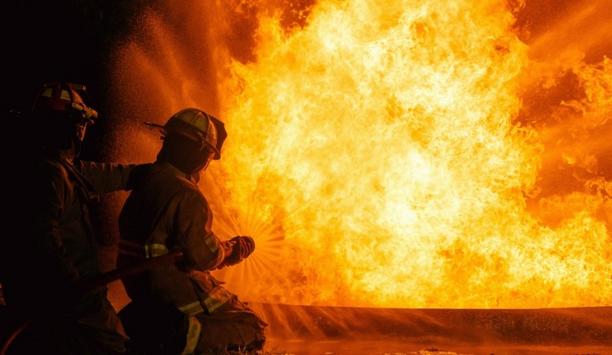
Fire sprinkler systems offer immediate, automatic activation when a preset temperature is detected, crucial in containing a fire's spread during its early stages. Their ability to begin extinguishing flames before emergency responders arrive often prevents a minor incident from escalating into a significant disaster.
Localized Fire Suppression to Reduce Damage
Unlike conventional firefighting approaches that saturate entire areas, sprinkler systems target only the directly affected zone, deploying water precisely where it's needed. This targeted suppression limits both fire and water damage, facilitating a faster recovery and less business disruption.
Lifesaving Advantages
Sprinkler systems are renowned for their life-saving capabilities, swiftly slowing or extinguishing flames and safeguarding building occupants. This prompt action provides crucial additional time for safe evacuation, potentially making a life-or-death difference in high-risk fire situations.
Promoting Best Practices
Installation is a critical phase for ensuring the efficacy and dependability of a fire sprinkler system. Engaging certified professionals for the installation process ensures adherence to design plans and compliance with codes. Quality materials and components are also vital for system durability, minimizing the risk of failure and maintenance issues.
Streamlined Recovery and Cost Benefits
While the initial cost of sprinkler installation might seem considerable, the return is evident in sustained property protection and potentially lower insurance premiums. Most property owners find significant long-term financial benefits, especially considering the high costs associated with fire damage repairs.
Creating Safer Conditions for First Responders
Early suppression of fires by sprinkler systems enhances safety for firefighters by lowering temperatures and reducing smoke, enabling them to focus on evacuation and mitigating further risks instead of fire suppression upon arrival.
Compliance with NFPA Standards
Compliance with NFPA 13, set by the National Fire Protection Association, is essential for the design and installation of fire sprinkler systems. These guidelines, along with adherence to local building codes, ensure system effectiveness and avoid legal complications.
Reliability Without False Alarms
Modern sprinkler systems are designed to activate only under legitimate fire conditions, minimizing the risk of false alarms triggered by smoke or steam. Building occupants can trust these dependable systems to perform when necessary.
At Kord Fire Protection, they believe that fire safety begins long before the first spark. One of the most effective, proven solutions for both residential and commercial fire prevention is the installation of automatic fire sprinkler systems.
This article explores how effective are sprinkler systems against fire, how they serve as the first line of defense, and why more businesses and property owners are turning to them as part of a comprehensive fire protection strategy.
Advanced Design Considerations for Fire Sprinkler Systems
Designing an effective fire sprinkler system goes beyond basic installation; it requires a comprehensive understanding of various factors to ensure optimal performance and compliance.
Hydraulic Calculations and System Sizing
Accurate hydraulic calculations are essential to determine the appropriate water flow and pressure requirements for a fire sprinkler system. These calculations consider factors such as building layout, occupancy type, and water supply characteristics to ensure the system delivers adequate coverage and performance during a fire event.
Sprinkler Spacing and Coverage Optimization
Proper spacing of sprinkler heads is crucial to achieve uniform water distribution and effective fire suppression. Factors like ceiling height, obstructions, and room dimensions must be considered to optimize coverage and minimize water damage to unaffected areas.
Temperature Ratings and Environmental Adaptations
Selecting sprinkler heads with appropriate temperature ratings ensures timely activation in response to heat. Additionally, environmental conditions such as climate and building usage may necessitate specialized sprinkler systems, like dry pipe or pre-action systems, to address specific fire risks.
Quick, Automatic Response to Fire Threats
Fire sprinkler systems respond instantly—activating automatically when a preset temperature is reached. This quick reaction is crucial during the early moments of a fire, significantly reducing the chance of it spreading uncontrollably.
With no human activation required, sprinklers start suppressing flames even before emergency responders arrive, often preventing a small flame from turning into a major disaster.
Targeted Suppression, Less Damage
Unlike traditional firefighting efforts that can drench an entire space, sprinkler heads activate only in the area affected by heat, releasing water directly where it’s needed. This localized fire suppression limits not only fire damage but also prevents extensive water damage to the rest of the property. For businesses, that means quicker recovery and fewer interruptions.
Protecting Lives, First and Foremost
When asking how effective are sprinkler systems, the answer becomes clear in their life-saving capabilities. One of the most important benefits of fire sprinklers is their ability to quickly slow or extinguish flames, protecting building occupants from immediate danger.
This rapid response provides crucial extra minutes for safe evacuation, often making the difference between life and death in high-risk fire situations. Beyond saving lives, effective sprinkler systems also help minimize property damage, reduce insurance costs, and maintain business continuity by controlling fires before they spread.
Best Practices
The installation phase is critical to the functionality and reliability of a fire sprinkler system. Adhering to industry best practices during installation can prevent future issues and ensure compliance with safety standards.
Professional Installation by Certified Technicians
Engaging experienced professionals ensures that the system is installed according to design specifications and complies with relevant codes and standards. Certified technicians bring expertise in handling complex installations and troubleshooting potential challenges.
Use of Quality Materials and Components
Utilizing high-quality pipes, fittings, and sprinkler heads enhances the durability and performance of the system. Investing in quality materials reduces the likelihood of system failures and maintenance issues over time.
Comprehensive Testing and Commissioning
Before the system becomes operational, thorough testing—including flow tests, pressure checks, and alarm verification—should be conducted to confirm that all components function correctly and meet performance standards.
Fires cause more than just structural damage—they disrupt lives and business continuity. By controlling fire at its source, fire sprinkler systems protect the physical assets, intellectual property, and equipment. For commercial buildings, warehouses, or offices, sprinklers represent a cost-effective safeguard against downtime and revenue loss.
A Safer Environment for First Responders
When sprinkler systems suppress flames early, one of the key benefits of fire sprinklers is the reduced risk to firefighters upon arrival. By lowering temperatures, containing flames, and minimizing smoke, these systems create a safer environment that allows first responders to concentrate on rescue operations and other critical tasks instead of immediate fire suppression.
Cost Efficiency Over Time
Sprinkler installation might seem like a significant investment, but the return on safety, property protection, and reduced insurance premiums is substantial. Most property owners see long-term financial benefits, especially when considering potential fire damage repair costs.
Reducing Smoke & Toxic Exposure
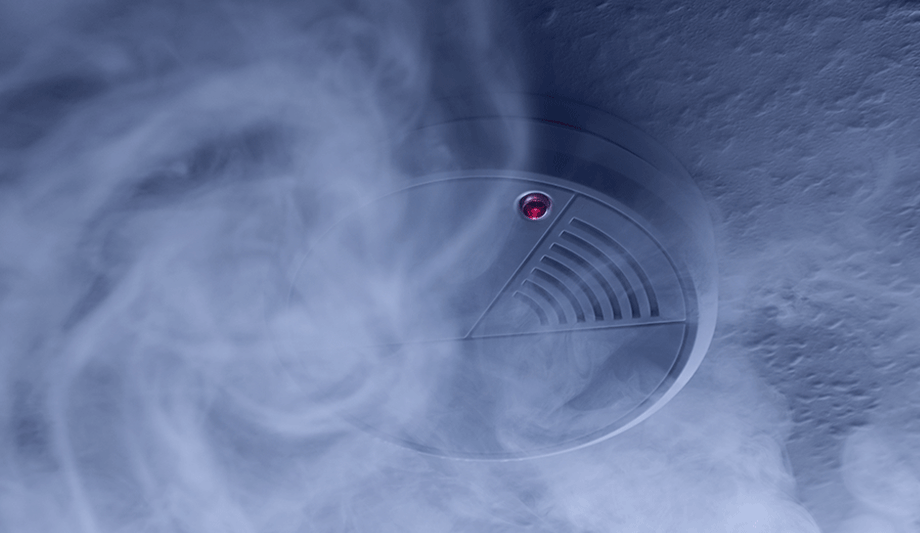
Sprinklers don’t just fight flames, they also help reduce the buildup of smoke and toxic fumes. By slowing or extinguishing the fire source, these systems cut down on harmful airborne chemicals, making the environment safer for everyone involved.
Understanding NFPA 13 and Compliance Standards
Familiarity with the National Fire Protection Association (NFPA) standards, particularly NFPA 13, is vital for designing and installing compliant fire sprinkler systems. These standards provide guidelines on system design, installation, and maintenance to ensure safety and effectiveness.
Adherence to NFPA 13 Guidelines
NFPA 13 outlines the minimum requirements for the design and installation of automatic fire sprinkler systems. Compliance with these guidelines helps ensure that the system performs as intended during a fire emergency.
Importance of Local Code Compliance
In addition to national standards, it’s crucial to adhere to local building codes and fire safety regulations, which may have specific requirements or amendments to NFPA standards. Coordinating with local authorities ensures full compliance and avoids potential legal issues.
Reliability Without the False Alarms
Modern fire sprinkler technology is engineered to activate only under real threat conditions, not from smoke or steam. With low false alarm rates and proven reliability, building occupants and business owners can trust these systems to perform when it matters most.