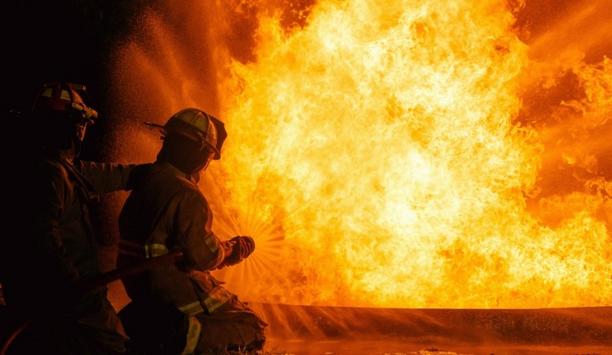
A major fire at the business premises can seriously affect the company and its profits. Over 70% of businesses that experience a fire either do not reopen or fail within 3 years of the fire happening.
It goes without saying that fire has a devastating effect on everything it touches, so it’s vitally important that businesses take all the necessary steps to stop fires from occurring. When they’re thinking about the business's fire protection measures, it helps to divide them into two categories: active and passive fire protection.
Types of fire protection
Both types of fire protection are essential for running a fire safety-compliant business
Both types of fire protection are essential for running a fire safety-compliant business. The two systems work together to suppress and stop fires.
This, in turn, allows employees to evacuate the premises in case of an emergency, and it minimizes the damage to important company assets, such as machinery, equipment, and documentation.
In this article, they’ll explain what the differences are between active and passive fire protection and why both are essential when a fire breaks out.
Active and passive fire protection
Both active and passive fire protection measures are essential for the business when a fire breaks out. By deploying the two systems effectively, they can minimize the damage to the property and rebuild the business quickly once the fire has been put out.
Having the active and passive fire protection systems working together seamlessly is the key to minimizing damage and the risk to the employees. But what does each system actually do? Below, they explain the differences between active and passive fire protection and what those systems should look like in the business.
Passive fire protection
Passive fire protection measures are built into the structure of the building to slow and contain fires
Passive fire protection measures don’t actively fight fire. These measures focus on slowing and containing the spread of fire using objects like fire-resistant walls, floors, and fire doors. Passive fire protection breaks buildings into “compartments” that help isolate and contain fires when they happen.
Other forms of passive fire protection include fire dampers, which prohibit the spread of smoke through ducts and air vents, and photo-luminescent path markers on floors to help guide people out of dark and smoky rooms and stairwells.
Passive fire protection measures are built into the structure of the building to slow and contain fires; and help people evacuate the building as easily as possible.
Active fire protection
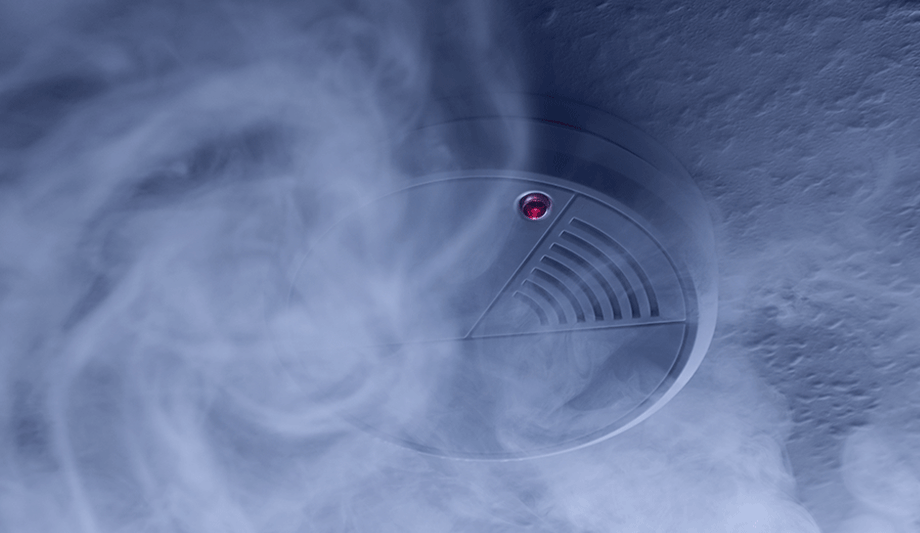
Active fire protection measures, on the other hand, provide some way for people to respond to and actively stop a fire. Some active fire systems, like sprinkler systems, fire alarms or smoke detectors are automatic.
Others, like fire extinguishers and fire blankets, are manual. They can even class firefighters as an active fire protection measure. Active fire protection systems can be broken down into three categories:
- Detection – Smoke sensors, fire alarms, etc. Anything that can detect heat, smoke, or flames in a location and send a signal to alarms throughout a building falls into this category.
- Suppression – If an object can put out a fire through direct action, either manually or automatically, then it’s in this category of active fire protection. Fire extinguishers and sprinkler systems both fall within this category.
- Ventilation – This type of active fire protection focuses on keeping escape routes free of smoke and other toxic fumes. Fire-resistant emergency fans would fall into this category.
Active and Passive Fire Safety Systems: Is One Better Than Other?
The short answer to this question is no. Both are essential for minimizing the risks fire poses to the business and it’s only through effectively deploying both active and passive fire protection measures that they stand the best chance of dealing with a fire on the premises.
If they’d like a consultation regarding the active and passive fire safety measures, or need to schedule a fire risk assessment for the business, get in touch with them at Total Fire Group and they can discuss the requirements.