
The Work Health and Safety Regulation requires building managers to address fire safety issues in a healthcare facility through safety and Healthcare Center Evacuation Training.
The main purpose of fire safety training is to equip all concerned persons with knowledge on fire hazards, responding to emergencies and fighting a fire. When establishing the plan, consider these points as a good start.
Fire Safety And Training Guidelines
Healthcare fire safety training is mandatory for all health and safety representatives on the premises. The process consists of the following guidelines:
- Provide a manual about fire safety guidelines
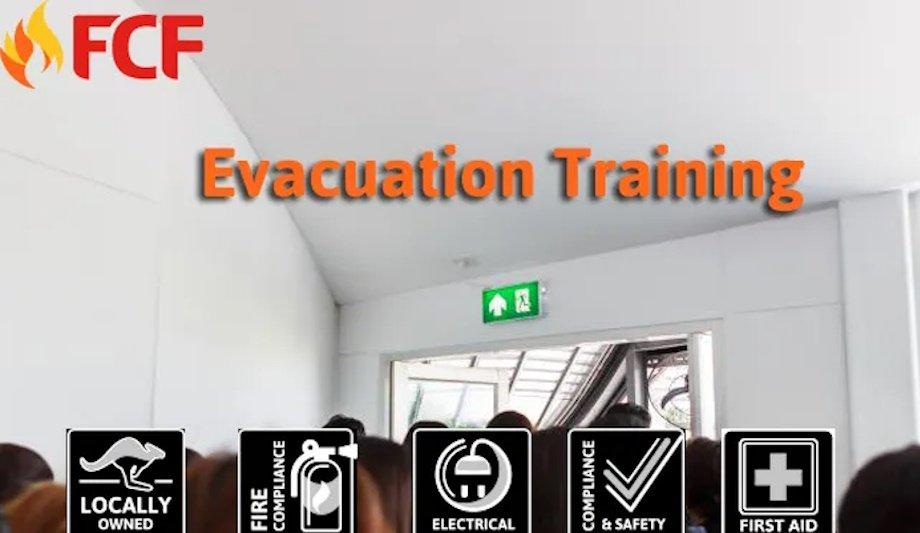
- Install evacuation signs where appropriate and where all nurses, doctors, guards, and other building occupants can easily spot.
- Acquire a Healthcare Center Evacuation Training guide matching the building structure. Evacuation diagrams are the basic reference material for laying out the best route to evacuate when necessary.
- Conduct regular fire safety and evacuation exercises for staff members to participate in.
Steps in Responding To Fire
The process of fire Healthcare Center Evacuation Training is about knowing what to do during emergencies. While one situation might be different from the other, this guide will surely give a basic procedure for an effective response to fire.
Call the Fire Brigade
Once a fire is confirmed, the first step involves calling the fire brigade. However, this would be unnecessary if the medical center had a fire detector and alarm system connected to the town's fire brigade. Just leave it to the system to automatically alert the fire department once it detects smoke, heat, and fire.
Evacuate to safety
In practicing safe evacuation, guiding staff, patients, and visitors to safety is a priority. The emergency Healthcare Center Evacuation Training policy and procedures in medical centers consist of the following:
- Informing all concerned people in the building: All persons responsible for supervising the evacuation will inform and give instructions on what to do.
- Quick assessment of evacuation routes: By identifying the evacuation routes beforehand, exiting the building should be done quickly and orderly.
- Gathering in the designated assembly area: These areas should have direct access to health facilities and tools for patients and should have a good set-up from smoke inhalation and flying debris.
In the entire duration, everyone must stay in the assembly area until the place is declared safe to go back.
Fight the Fire If Necessary
The use of fire suppressors should be taught among the staff members of the healthcare facility
The use of fire suppressors should be taught among the staff members of the healthcare facility. It is necessary to know the different types of fire and the corresponding extinguishing agent that can put it off.
This knowledge will surely go a long way for all persons concerned. Likewise, one should know when to fight the fire and when to escape it. In the event of an uncontrollable blaze, no one should attempt to put it off, which should then be the job of the firefighters and a signal to evacuate.
Guidelines For Handling Patients
When transferring patients, consider the factors affecting the task at hand, such as:
- Location of the fire and its level of strength.
- Nature of patient's illness and their life-support systems and tools needed to include in the evacuation.
- Layout of the facility and its appropriate exit routes.
When evacuating patients, their condition may require more help and assistance. Therefore, priority is given to these patients:
- Ambulatory patients requiring full physical assistance.
- Semi-ambulant patients needing minimal physical assistance.
- Non-ambulant patients requiring assistance to be carried and moved.
- Patients who are aggressive, violent, or resistive.
Healthcare Center Evacuation Training plans
In case of immediate evacuation, nurses are responsible for moving these patients. Given the uncertainty of events, the plan should be flexible for any situation no matter what the level of danger and location of the fire is.
Healthcare Center Evacuation Training plans are the survival plans. Establishing a detailed fail-proof plan needs professional advice from a fire safety technician.