
Fire and Rescue NSW (FRNSW) is using traditional cultural practices to reduce bushfire risk on the Far South Coast, an area devastated during the horrific ‘Black Summer’ crisis.
The 2019-20 bushfire season was the state’s worst on record, with 26 people killed, nearly 2,500 homes destroyed, and more than five million hectares burnt-out.
Hazard reduction efforts
The site is home to a diverse range of native trees, plants, forest bird species, and insects
During that period, the Bega Valley alone had 448 houses destroyed by fire and 365,000 hectares, or 58 percent of its total land mass, burned.
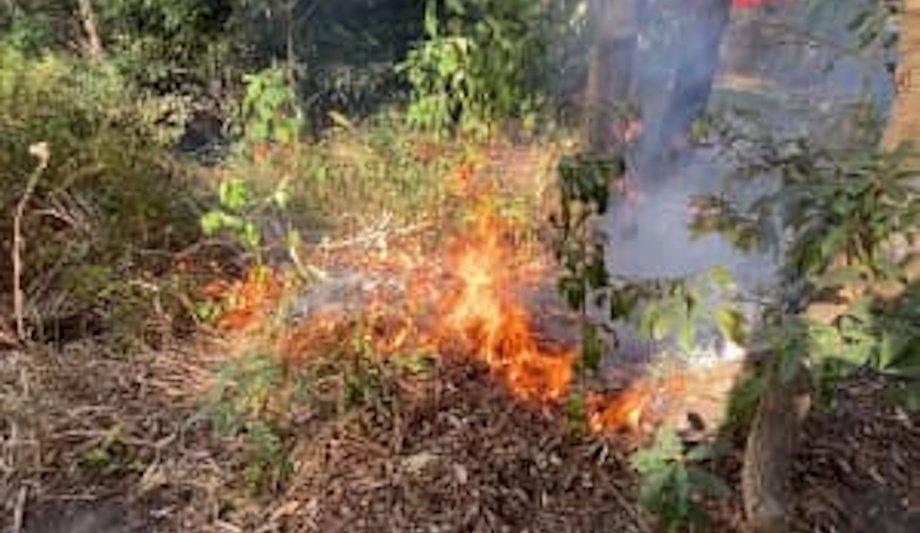
FRNSW has since undertaken significant hazard reduction efforts, with the latest this week focused on 1.2 hectares of Tura Beach Flora Reserve, at Merimbula. The site is home to a diverse range of native trees, plants, forest bird species, and insects.
Adopted a traditional approach
Firefighters, seeking to manage this land while respecting its cultural value, have adopted a traditional approach by inviting and supporting the Bega Local Aboriginal Land Council (LALC) to carry out low-intensity cool burns. This measure will ultimately reduce the scale and intensity of bushfires if they occur in the area.
FRNSW has closely worked with the LALC and the Bega Valley Shire Council during the planning and implementation of this important activity.
Traditional methods of land management
Local brigades have also engaged cultural fire practitioners who’ve shared their knowledge of land and water, and customary techniques, to ensure the burn delivers maximum benefit.
Local brigades have also engaged cultural fire practitioners who’ve shared their knowledge of land
FRNSW Duty Commander, Inspector Phil Eberle, said, “Our firefighters are always deepening their cultural understanding and exploring different ways of caring for country.”
“Through adopting these traditional methods of land management, we seek to reduce the human, environmental, and economic costs of natural disasters.”
Cultural land management practices
FRNSW Wellbeing Coordinator, Pioneering Station Officer Craig Mashman, has used his own experiences as an Aboriginal firefighter to develop cultural land management practices on the South Coast.
“Cultural burning is about sharing, learning about, engaging with and demonstrating best practice for country, and building trust in communities,” Pioneering Station Officer Mashman said.