
Fire and Rescue NSW (FRNSW) firefighters, conducting a series of caravan safety inspections during the Tamworth Country Music Festival, have expressed concern at the level of complacency around working smoke alarms.
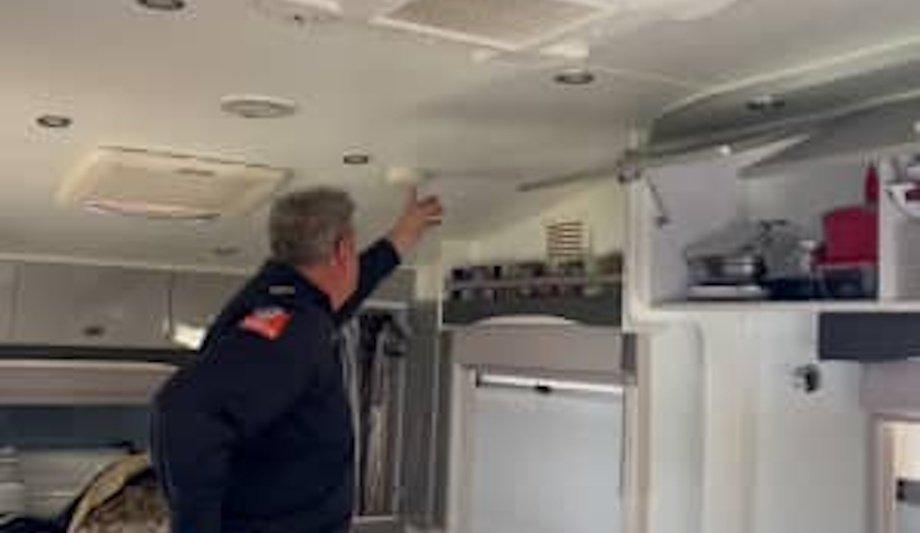
Over the past six days, local FRNSW crews have visited parks in Tamworth’s riverside camping area, inspecting caravan and campervan smoke alarms and providing crucial fire safety advice to those attending the popular festival.
Additional camping sites
The firefighters visited more than 160 caravans and recreational vehicles, replacing 75 smoke alarms
The parks are at capacity, with additional camping sites being acquired. The firefighters visited more than 160 caravans and recreational vehicles, replacing 75 smoke alarms that were not working.
They also replaced 20 smoke alarm batteries, which were either not working or missing from alarms. FRNSW Zone Commander, Tom Cooper, has expressed concern about the level of complacency around caravan smoke alarms.
Set off the alarms
“Almost half the caravans we visited did not have a working smoke alarm,” Superintendent Cooper explained, “That’s disturbing, a working smoke alarm may be the only thing that saves the lives of you and your loved ones in the event of a fire.”
“In a few cases where the batteries were missing, the campers told our firefighters they’d removed them because cooking would often set off the alarms,” Superintendent Cooper said.
Photo-electric smoke alarms
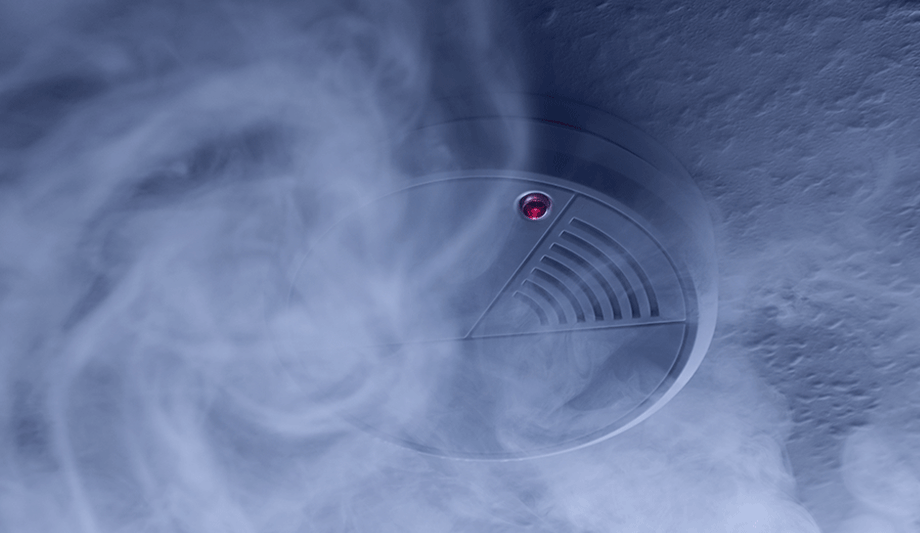
Cooper added: “The beeping might be annoying, but if your alarm’s not working, it can’t save you. Caravanners could consider purchasing photo-electric smoke alarms, which aren’t as sensitive to cooking and require smoke to break a beam to activate."
“Other smoke alarms we encountered were well past their 10-year shelf-life and had to be replaced."
Inspected gas cooking facilities
The fire crews also inspected gas cooking facilities and LPG cylinders on board the vans
Legislation requires a working smoke alarm to be fitted to every caravan and another placed in any annex used as a sleeping area. The fire crews also inspected gas cooking facilities and LPG cylinders on board the vans.
The fittings and hoses all seemed to be in good order. “We urge everyone to include smoke alarm checks when preparing their caravans and RV’s," Supt Cooper said.
FRNSW advice for caravan/RV users
- Make sure the caravan has a working smoke alarm as well as a fire extinguisher (dry chemical powder) and a fire blanket located near the exit.
- Have an escape plan in case of fire and make sure nothing blocks the escape route.
- Ensure LPG cylinders are secured correctly to the caravan and that all fittings and hose lines are in good working order.
- Ensure the turn off any pilot lights before towing or when the towing vehicle’s engine is running.
- Pre-plan how they can call Triple Zero (000) for help if they’re traveling to locations with limited mobile coverage
- Pack a portable radio to remain updated regarding weather conditions and fire restrictions that may be in force.
- Download the EmergencyPlus app. The app uses the mobile GPS data so they can get to them quickly if help is needed.
- Smoke alarm batteries should be regularly tested and swapped out.
- Smoke alarms should be replaced every 10 years at least.