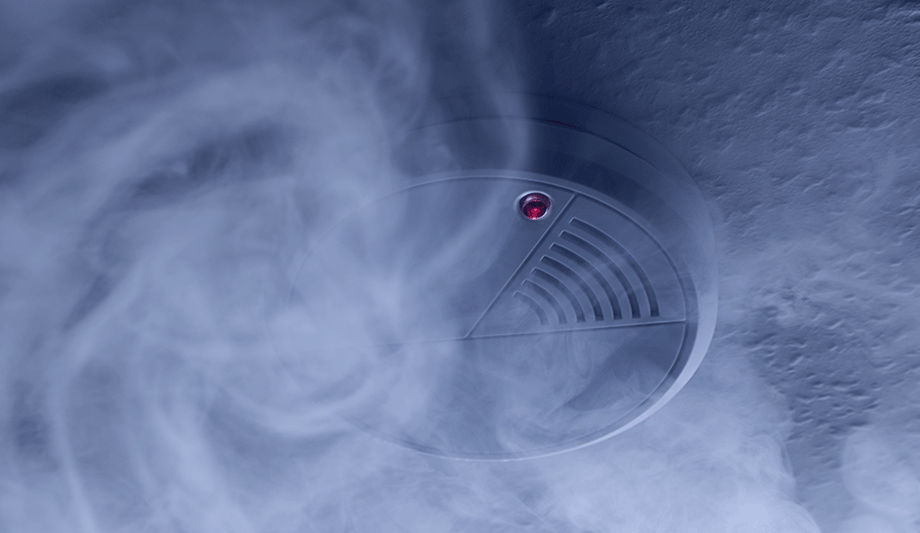

The latest updates to UL 268, Standard for Safety of Smoke Detectors for Fire Alarm Systems, call for significant improvements to smoke detection technology.
Set to take effect in June 2021, the new UL 268 7th edition standard requires smoke sensors, detectors, and smoke alarms to pass more than 215 new or revised performance tests, including three new challenging tests: a cooking nuisance alarm test, a flaming polyurethane foam test, and a smoldering polyurethane test.
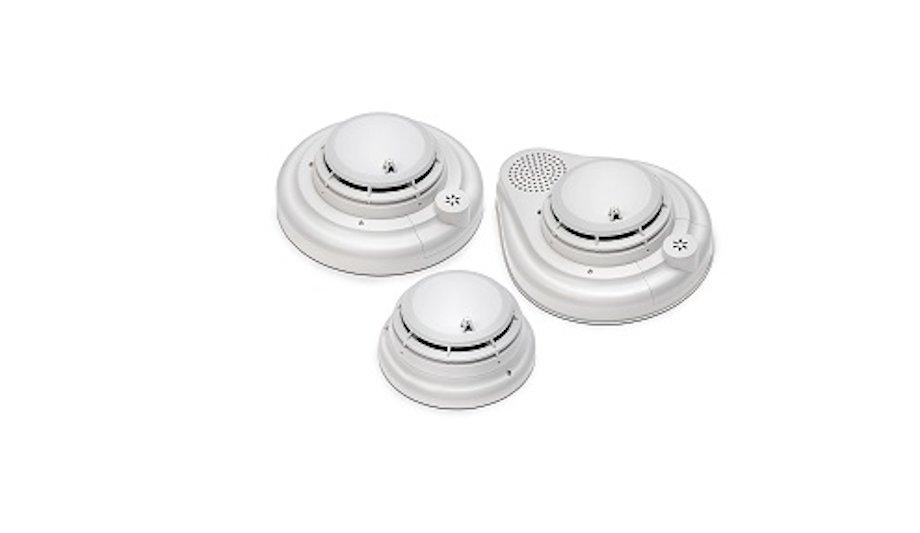
To satisfy these requirements, Johnson Controls is introducing advanced smoke sensors built upon the established performance of its flagship TrueAlarm technology.
Modern building fires
The new TrueAlarm sensors provide earlier detection, better fire type recognition
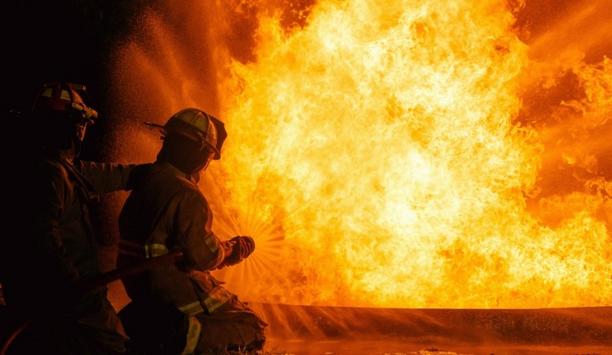
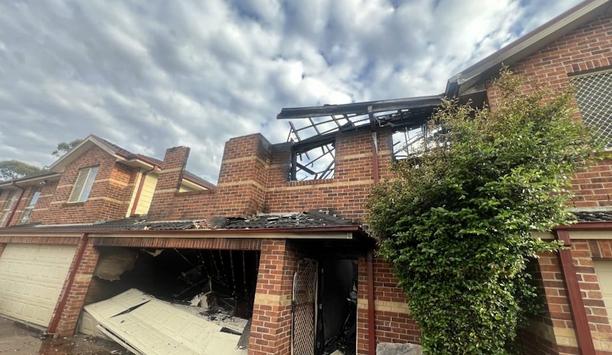
The UL 7th edition polyurethane tests better represent the type of smoke and flames produced in modern building fires due to the increased use of synthetic furnishing materials that can ignite and burn faster than other materials.
The cooking test was added after research showed people frequently disable smoke alarms due to nuisance alarms caused by cooking and shower steam.
The new TrueAlarm sensors provide earlier detection, better fire type recognition, and fewer nuisance alarms. They use sophisticated algorithms to analyze particles and determine whether they are generated by an actual fire rather than smoke or steam from cooking.
Sensor alarm
Sensor alarm points can be programmed for timed, multi-stage operation per sensor
Sensor alarm points can be programmed for timed, multi-stage operation per sensor. A lower percentage alert can cause a warning prompt to investigate the issue, while a higher programmed percentage will initiate an alarm.
“The design of our new sensors is based on decades of fire detection experience and demonstrates our commitment to creating the most innovative and reliable products in the industry,” said Peter Ryan, Senior Commercialization Manager, Global Fire Detection Products, Johnson Controls.
“These re-designed smoke sensors reduce the number of nuisance alarms while providing early notification, when needed, to help building occupants evacuate quickly and safely during a fire event.”
Redesigned TrueAlarm sensors
The ability of the redesigned TrueAlarm sensors to intelligently differentiate between high-risk fires and burning food or steam is especially important for commercial spaces such as hotels, dormitories, hospitals, and other facilities that are prone to nuisance alarms.
The new 7th edition compliant TrueAlarm sensors will be available for both the Simplex and Autocall product families in the Spring of 2020.