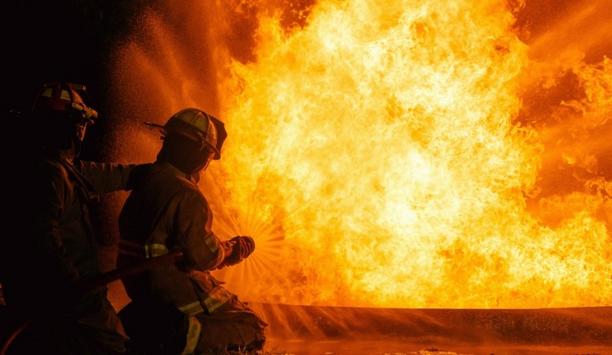
Fire and Rescue NSW (FRNSW) has issued a warning about the dangers of Lithium-Ion batteries following a recent fire incident in Sydney. On Friday, April 14, an e-bike battery caught fire inside a duplex on Sydney Road, Balgowlah, due to overheating in a process called "Thermal Runaway." FRNSW recommends that the public store and charge these batteries outside their homes when possible to mitigate potential risks.
Incident Details
The fire started shortly after 9 am when the battery overheated while charging in the lounge room. The family of four residing in the home heard a 'popping' sound as the battery began to degrade. They attempted to extinguish the flames with water, but the battery re-ignited and exploded, projecting flaming debris nearly three meters across the room. Fortunately, the family evacuated unharmed, and responding firefighters submerged the malfunctioning battery in water to halt further explosions.
Expert Insights
FRNSW Fire Investigation and Research Unit's Inspector Chris Hughes examined the affected lounge room, noting multiple impact marks on the walls and ceiling caused by the explosion. "When Lithium-Ion batteries go into Thermal Runaway and explode fiercely like this, the debris has potential to start numerous fires in the home," Inspector Hughes explained.
Lithium-Ion Battery Risks
"Lithium-Ion batteries are particularly difficult to extinguish as they often re-ignite, causing further risk. In this case, the battery and charger were compatible," stated Inspector Hughes. "We’re urging the public to charge and store Lithium-Ion batteries outside the home where possible, reducing the likelihood of harm and the risk of homes burning down."
Safety Recommendations
For those who cannot charge these batteries outside, the FRNSW advises placing them on non-combustible surfaces and avoiding locations that obstruct exits. It is also crucial to maintain the batteries and devices in good condition, use compatible and reputable brands, and ensure homes are equipped with functional smoke alarms and fire escape plans, especially as winter approaches.