National Fire Protection Association (NFPA) - Experts & Thought Leaders







































Latest National Fire Protection Association (NFPA) news & announcements

The Idaho Falls Fire Department (IFFD) formally marked the grand opening of Fire Station 6 now, with a ceremonial hose uncoupling at 2767 N. Spitfire St. The event signifies the completion of construction and the official opening of a new fire station on Idaho Falls’ north side, which will support emergency response in a rapidly growing area of the community. Investment in the safety and well-being “The opening of Fire Station 6 represents a critical investment in the safety and well-being of our growing community,” said Interim Fire Chief, Paul Radford. “As development continues to the north, this station ensures our residents receive the rapid, professional, life-saving services they expect and deserve. Station 6 strengthens our operational readiness, reduces response times, and reflects our ongoing commitment to protecting lives and property.” Analysis of IFFD dispatch National Fire Protection Association (NFPA) standards call for emergency medical service response times of under four minutes and fire response times of under five minutes. The decision to construct Station 6 and its location were guided by these standards, along with analysis of IFFD dispatch call data and growth projections. The station is intended to address continued growth along North River Road, Sage Lakes, and toward the northern county line. Process of staffing and expects Station 6 IFFD responded to more than 17,000 calls in 2025, providing fire protection within the City of Idaho Falls and most of Bonneville County. The department also delivers emergency medical services to all of Bonneville County and portions of Jefferson and Bingham counties through service agreements. While the facility is now officially open, Station 6 will not immediately respond to emergency calls. The department is in the process of staffing and expects Station 6 to be fully operational by Jan. 5, 2026, once dispatch and operational systems are implemented. Planning and strong leadership “This station represents a commitment to our residents,” said Idaho Falls Mayor, Rebecca Casper. “Through thoughtful planning and strong leadership, we delivered a critical public safety facility that strengthens emergency response while being fiscally responsible." "As Idaho Falls continues to grow, investments like this ensure our firefighters and paramedics can reach people quickly when it matters most — protecting lives, property, and the long-term well-being of our community.” Construction of Station 6 The City of Idaho Falls approved the purchase of the seven-acre property for Station 6 on July 28, 2022, for a total cost of $900,000. The land was purchased without using property tax dollars, funded by $658,000 in American Rescue Plan Act (ARPA) funds and $252,000 from the auction of the former Fire Prevention Building on 8th Street. Construction of Station 6 was awarded to Big D Construction, with an original bid of $2,746,908.46, approved on November 26, 2024. Construction funding included approximately $1.4 million in ARPA funds, with the remaining balance funded through Wildland resources of approximately $900,000 and impact fees of approximately $600,000. Fire Station capital improvement projects Additional project costs include the purchase of a KG60 generator and transfer switch for backup power at a cost of $117,545, funded through the Fire Station capital improvement projects budget. The total cost of the Fire Station 6 project is approximately $3.7 million. The station was designed using proven layouts from existing fire stations to ensure operational efficiency while controlling costs. Advances IFFD’s mission When fully operational, it will house a Class 1 fire engine and an advanced life support (ALS) ambulance staffed with five personnel every day, allowing IFFD to deliver faster fire and medical response to City residents. The facility was also built with capacity for a wildland engine, a water tender, and a future second battalion chief, ensuring they are positioned to meet both needs and tomorrow’s challenges. This milestone advances IFFD’s mission of Providing Professional Life Saving Services across Idaho Falls.
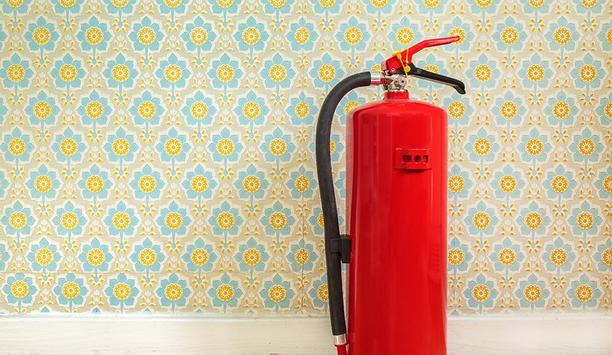
Fire extinguishers are among the most essential safety tools in any building, yet they are often overlooked until an emergency strikes. Knowing how often does a fire extinguisher need to be serviced is crucial for maintaining safety compliance, ensuring functionality, and protecting lives and property. Regular inspections and servicing not only keep equipment reliable but also align with legal requirements established by organizations like the National Fire Protection Association (NFPA) and the Occupational Safety and Health Administration (OSHA). This article will explore the timelines, regulations, and best practices around fire extinguisher maintenance. It also addresses real-world scenarios where proper servicing made the difference in emergencies. Fire Extinguisher Servicing Fire extinguishers are only useful if they work when needed. Unfortunately, many fail during emergencies due to neglect. Servicing ensures: Compliance with safety codes (NFPA 10, OSHA standards) Assurance that extinguishers are fully charged and pressurized Detection of damage, leaks, or corrosion Extended lifespan of equipment A malfunctioning extinguisher could result in unnecessary property damage, business interruption, or worse—loss of life. Regular servicing prevents such risks. Regulatory Guidelines for Fire Extinguisher Servicing Different agencies set standards for fire extinguisher inspections and servicing: NFPA 10 requires monthly visual inspections, annual maintenance by a certified professional, and hydrostatic testing at specified intervals depending on the extinguisher type. OSHA mandates employers to maintain fire extinguishers in working order, with monthly checks and annual inspections. Local fire codes may add requirements based on regional regulations. Authoritative sources such as NFPA and OSHA provide detailed guidelines that businesses must follow. Frequency of Fire Extinguisher Servicing The frequency depends on the type of inspection and the extinguisher itself. Here’s a breakdown: Monthly Visual Inspections Carried out by staff or facility managers. Confirm accessibility, intact seals, and proper pressure. Quick checks to ensure readiness. Annual Maintenance Inspections Performed by certified fire protection professionals. Includes thorough examination of all extinguisher components. Tags and records updated for compliance. Internal Maintenance (Every 5–6 Years) Dry chemical extinguishers require disassembly and internal checks. Ensures the extinguishing agent remains viable. Hydrostatic Testing Conducted every 5 to 12 years depending on the extinguisher type. Tests the cylinder’s structural integrity under pressure. Summary: Fire extinguishers require monthly checks, annual servicing, and periodic hydrostatic testing. Common Signs That Service Is Needed Sooner Even if inspections are up to date, certain conditions mean immediate servicing is required: Broken or missing safety seals Low pressure gauge readings Visible corrosion or rust Physical damage, dents, or leaks Signs of tampering or discharge If any of these issues appear, the extinguisher must be taken out of service until repaired or replaced. Real-World Example: A Business Case In 2023, a small restaurant in Los Angeles experienced a kitchen grease fire. Staff immediately grabbed the extinguisher, but it failed due to low pressure. An investigation revealed that while the extinguisher had been purchased only three years earlier, it had never undergone annual servicing. The fire spread, causing thousands in damage and forcing a temporary closure. This incident underscores the importance of not just having extinguishers, but keeping them properly serviced. And on the other hand, just earlier this year in 2025, the getty museum mangaged to fend off the LA Fire from consuming the whole area, thanks to them having working extinguishers on hand. They had these ready thanks to their strict inspection requirements. Just imagine if their fire extinguishers have not received their proper maintenance. The Getty would not be standing today. Best Practices for Fire Extinguisher Maintenance Businesses and homeowners can adopt these practices: Assign responsibility for monthly inspections to trained staff. Schedule annual servicing with a licensed fire protection company. Maintain records of all inspections and servicing for compliance. Replace outdated extinguishers that no longer pass inspections or testing. Proactive steps ensure extinguishers are reliable in emergencies. Key Takeaways Fire extinguishers require monthly visual inspections and annual professional servicing. Hydrostatic testing occurs every 5–12 years depending on type. Immediate servicing is necessary if damage, corrosion, or low pressure is observed. Following NFPA 10 and OSHA guidelines ensures compliance and safety. Real-world cases show the risks of skipping maintenance.
Fire sprinkler systems save lives, protect property, and safeguard buildings from damage. They’re a key part of any fire prevention program, and they’re also required by law. In Los Angeles, most business owners are required to install and maintain a fire sprinkler system in full compliance with the LA fire code. Unfortunately, understanding the commercial fire sprinkler requirements can be difficult. This article breaks down exactly what users need to do to follow the LA fire sprinkler city codes and keep occupants safe in case of a fire. Commercial Fire Sprinkler Requirements in LA The LA Fire Sprinkler City Codes require building owners to install and maintain automatic fire sprinkler systems in certain buildings: Automatic fire sprinkler systems must be installed in existing residential dwellings. New residential buildings must have automatic fire sprinkler systems installed, regardless of the building’s size. Commercial high rises must have automatic fire sprinkler systems installed. New commercial structures must have automatic fire sprinkler systems installed, provided the structure has a fire area greater than 5,000 square feet. Commercial Buildings The majority of commercial buildings must have fire sprinklers installed. However, there are some exceptions. Some smaller commercial buildings are exempt from the requirement. In some cases, historical buildings are also exempt from the rule. When in doubt, it’s a good idea to consult with the experts. Violating the fire code can result in hefty penalties, so it’s a good practice to exercise caution. The right Fire Sprinkler System There are four main kinds of fire sprinkler systems: wet pipe, dry pipe, pre-action, and deluge. Most commercial facilities use the wet pipe system, but depending on the situation, a different type of fire sprinkler may work better for users. Kord’s highly trained technicians will inspect the facility and design a system to meet the needs so users can stay safe and compliant, without users having to overspend their budget. Here are the four types of fire sprinkler systems: Wet Pipe Sprinkler System This is the most common sprinkler system in modern facilities. The pipes in this system have constant access to water, so that as soon as a fire starts, the pipes — already filled with water — can activate and spray the fire immediately. The sprinkler heads in this system are covered with glass bulbs. In the event of a fire, the rising temperature shatters those glass bulbs so that water sprays out of the sprinkler heads. This ensures a quick response to fire. Only the sprinkler heads near the fire are activated, so it also minimizes water damage. Dry Pipe Sprinkler System Dry pipe systems are used in buildings in colder regions, where pipes might freeze at certain times of year. In a dry pipe system, the pipes are not constantly filled with water. Instead, they are filled with pressurized air. When a fire occurs, the air pressure drops, allowing a valve in the pipes to open and let water flow in. The sprinkler heads then spray water, putting out the fire. Pre-Action Sprinkler System Pre-action sprinkler systems are highly complex. They are mainly used in settings where it’s important to avoid water damage and where it could be devastating to have the sprinklers go off unnecessarily. They require specific triggers, like an external smoke detector, to open the valve that releases water to the sprinkler heads. There are a few different types of pre-action sprinkler systems, each with a different trigger for releasing the water. Deluge Sprinkler System Deluge sprinkler systems are similar to pre-action sprinkler systems in that they rely on a trigger, like a smoke detector, to release water to the sprinkler heads. However, deluge sprinkler systems release water to every sprinkler in the system all at once. Instead of water spraying from just a few nearby sprinklers, water flows from the whole system. Fire Sprinkler Systems Compliance Staying compliant with the Los Angeles fire code requires regular inspections. At a minimum, users should have their sprinklers inspected at least once a year, but it’s a good practice to check on component parts more frequently. Ideally, users should have gauges inspected once a month and pipework inspected at least once annually. It’s also a good idea to perform a basic inspection of the system on a quarterly basis. These routine inspections align with standard commercial fire sprinkler requirements and are a key part of preventive maintenance. Staying compliant not only ensures the safety of the property and occupants but also helps keep overall costs lower by identifying emerging issues early—while they’re still easy and affordable to fix. Replacing Fire Sprinkler Heads Fire sprinkler heads are usually very sturdy. They are designed to last for anywhere between 20 and 50 years, depending on the environment. Harsh environments, or exposure of corrosive agents or chemicals, can degrade sprinkler heads so that they need replacement earlier in the lifecycle. Routine inspections and maintenance will alert users to any issues with the fire sprinkler heads, so that users can stay ahead of a system failure. Regularly inspecting the fire sprinklers can also protect people and property from fire — and help users remain compliant with the LA fire code. The cost of commercial fire sprinkler system The commercial fire sprinkler installation cost will depend on the location, the size of the facility, and the type of sprinkler one is installing. Remember, the cost of failing to install fire sprinklers can be very high. Fire sprinklers keep the occupants safe and protect the property from fire damage. It’s also important to stay compliant with state and local laws. Failure to comply can lead to fines and other penalties.
Insights & Opinions from thought leaders at National Fire Protection Association (NFPA)
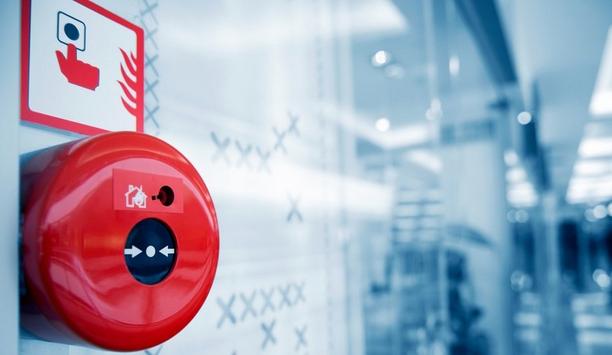
The National Fire Protection Association (NFPA) has developed over 300 codes and standards to support the rapidly changing needs of the fire and life safety industry. NFPA 72, National Fire Alarm and Signaling Code®, is perhaps one of the most wide-ranging, designed to “meet society's changing fire detection, signaling, and emergency communications demands.” Development of building solutions Updated every three years, the 2025 edition of NFPA 72 took effect on September 18, 2024 Updated every three years, the 2025 edition of NFPA 72 took effect on September 18, 2024, and contains several key updates around technology, cybersecurity, and integration to support the continued development of connected building solutions. Staying ahead of these updates will ensure your building not only meets current needs but is able to adapt for future challenges. Cybersecurity and Remote Access While the 2022 edition of NFPA 72 introduced a variety of cybersecurity updates, it did not specify how they should be achieved. In the 2025 edition, Chapter 11 addresses this and outlines requirements to protect fire alarm and signaling systems from cyber-attacks across configuration, implementation, security, and access. This is particularly of interest when it comes to continued use of remote access processes across building systems, which allow a variety of maintenance to be done partially offsite, such as programming and resetting support. This includes the installation of patch updates, for example, much like those we have on our phones and laptops. Cybersecurity guidelines Reliability is of the utmost importance, meaning a technician needs to be on-site With life safety systems, however, you can’t simply push a button to start an update and move on. Reliability is of the utmost importance, meaning a technician needs to be on-site, while another installs patch updates remotely to ensure continuity of service and troubleshoot if needed. In an increasingly hybrid world, clear cybersecurity guidelines for remote access allow service providers to take advantage of such capabilities without fear of infiltration by threat actors. Advanced Technology Enhancements The incorporation of acoustic leak detection, thermal imaging, and a new notification mode in the 2025 edition of NFPA 72 offer both new applications for existing life safety technologies and advantages for increased accessibility. While acoustic leak detection is not a new technology, its use in the fire industry is a relatively recent application. These detectors identify the sound produced by a pressurized gas release or water leak in a pipe or its threads. In some cases, they can pinpoint the exact location of the leak. Integration with fire alarm systems Introduction of acoustic leak detection in NFPA 72 provides fire professionals with an understanding The introduction of acoustic leak detection in NFPA 72 provides fire professionals with an understanding of how to install, maintain, and test detectors, supporting integration with fire alarm systems for a more integrated life safety system across facilities. Thermal imaging, in a similar manner, can detect quickly developing fire threats by identifying changes in heat range. While traditional fire detection methods remain essential, thermal imaging enhances early threat detection and can identify risks, such as the self-combustion of lithium-ion batteries, which can occur in a matter of seconds, even before conventional sensors would trigger an alarm. New notification operation mode NFPA 72 also introduces a new notification operation mode, Restricted Audible Mode Operation (RAMO), which “recognizes the need for notification options in areas where loud sounds might be detrimental to typical occupants of the notification zones.” This can include spaces such as schools or healthcare facilities occupied by people with autism spectrum disorder, neurodiverse individuals, or others sensitive to stimuli like sound and light. With the approval of the authority having jurisdiction, facility managers can reduce the level of audio from fire alarm systems to better accommodate occupants, increase facility accessibility and experiences. Streamlined System Integration Architects and engineers can now plan for expansive areas without the constraints of challenges A significant update in the 2025 edition clarifies the allowance of smoke detectors on ceilings up to 40 feet high, impacting school design, hotel lobbies and other large spaces. While a seemingly minor change, this modification enhances design flexibility and fire alarm system effectiveness. Architects and engineers can now plan for expansive areas without the constraints of computer modeling or challenges posed by structural elements like beams or ventilation systems, ultimately improving safety and efficiency. Guidelines for auxiliary service providers The addition of guidelines for auxiliary service providers (ASPs) and communications technologies is another noteworthy integration update, ensuring that fire protection signals are processed effectively and aligning safety systems with evolving technology trends. Historically, fire alarm systems have not been able to directly contact fire departments to minimize the prevalence of false alarms; instead, supervising stations have served as the middle party to vet fire alarm activations from ASPs. In the last 10-15 years, this process has become largely electronic (via text or email) as opposed to picking up the phone, and continued technological advancements have created several new methods for service providers to send fire alarm system signals to supervising stations. Introduction of guidelines for ASPs Intro of policies for ASPs has given jurisdictions the flexibility to execute new technologies This shift is largely due to a trickle-down effect from the residential technology market, where smart technology and IoT devices have become the norm, influencing technological development in the commercial realm. While some municipalities may want to take advantage of new technologies to streamline the fire response process where possible, many fire departments are still relying on older technologies and may not have the resources available to implement major tech upgrades. The introduction of guidelines for ASPs has provided jurisdictions with the flexibility to implement new, progressive technologies where viable, while protecting the ability of others to maintain their current processes for fire alarm notifications and action by emergency response agencies. Looking Ahead As fire and life safety professionals navigate rapid technological developments, staying current with the latest NFPA codes and standards remains essential to ensuring safety and maintaining seamless service across the built environment. The 2025 edition of NFPA 72 introduces important updates that reflect the evolving capabilities of modern fire alarm and signaling systems. With these advancements, facility managers have a responsibility to familiarize themselves with the new requirements to ensure their systems are not only code-compliant, but also more secure, scalable and seamlessly connected to other building technologies. While the 2025 edition has only been in effect for a short time, the next revision cycle for 2028 is already on the horizon, making now the ideal moment for industry pioneers to evaluate the standard’s implementation and identify areas for continued improvement.
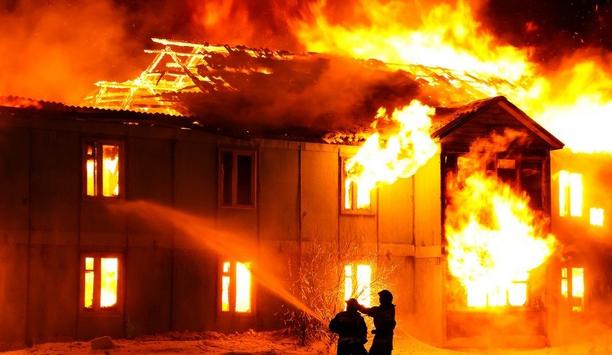
It is no secret that electricity can have a significant impact on the fire industry, and this is not just something that is restricted to a single country. Daily, we see the devastation that improper electrical wiring and defective products can have on a global scale. Personal injury, property loss, and death can all wreak havoc on those working within the fire service and other first responders, not to mention the significant impact on the entire community where the events take place. steps to minimize electrical incidents There are steps that can be taken to minimize the number of these horrific electrical incidents Research from NFPA® that highlights home electrical fire statistics shows that U.S. fire departments responded to an estimated average of 46,700 home fires involving electrical failure or malfunction each year between 2015 and 2019. An additional 16,390 non-residential electrical fires required a response and were tracked between the years 2012 and 2016, indicating just how burdensome electrical fires are on the fire service. However, there are steps that can be taken to minimize the number of these horrific electrical incidents. The implementation and utilization of current electrical codes and standards is a foundational piece in beginning to minimize these issues from arising. Triad of codes and standards NFPA has a triad of codes and standards that focus on mitigating risk and injury associated with electricity that have become known as the Electrical Cycle of Safety™ (ECoS™). When used collectively and properly, NFPA 70®, National Electrical Code® (NEC®), NFPA 70B, Standard for Electrical Equipment Maintenance, and NFPA 70E®, Standard for Electrical Safety in the Workplace®, provide an alliance for achieving holistic electrical safety. By utilizing the documents that make up the ECoS, businesses and communities can help to mitigate electrical fires and injuries that put significant strain on the limited resources available to the fire service. NFPA has a triad of codes and standards that focus on mitigating risk and injury Electrical Cycle of Safety The Electrical Cycle of Safety starts with an installation that is grounded in the requirements of the NEC The Electrical Cycle of Safety starts with a proper electrical installation that is grounded in the requirements of the NEC. This could be the initial installation for a brand-new building, an addition to an existing building, or new equipment being installed within a building. Regardless of what type of installation is taking place, it is important that, where applicable, proper electrical permits have been filed by the licensed contractor performing the work in the municipality where the building is established. This should then include having the appropriate inspections performed by a qualified electrical inspector throughout each stage of the installation. Having all electrical work done and inspected in accordance with the applicable NEC requirements is the appropriate first step in assuring electrical safety that protects both people and property. Electrical equipment and systems After any installation has been done, electrical equipment and systems must be maintained to ensure that they remain safe for those that service the equipment, as well as those that may be utilizing the equipment, such as production line workers or, in some cases, even the general public. An example of this might be keeping an electric vehicle charger in proper, safe working order so that citizens who need to use it are not exposed to any electrical safety risks, like shock hazards. NFPA 70B provides electrical equipment maintenance requirements and should be used in conjunction with any specific manufacturer maintenance requirements for electrical equipment. Safe working practices Maintaining equipment not only helps ensure electrical safety but it also helps to preserve its reliability Maintaining equipment not only helps ensure electrical safety, but it also helps to preserve its functionality and reliability. In the case of electric vehicle chargers, utilizing Chapter 33 of NFPA 70B can help to establish a maintenance plan for community-based public chargers that will keep them safe and functional for users, while minimizing the need for first responder actions. NFPA 70E is about establishing safe working practices to protect those who engage with electrical systems and equipment while on the job through either installing or servicing them or utilizing the equipment in performing their assigned work tasks. As is well established, there are many risks associated with electricity, such as electrical shock and arc flash incidents, that can put individuals at a significant risk of injury. Safe and healthy working conditions Not only is there a moral obligation as an employer to keep employees safe on the job, but there is often a legal one as well. For example, in the U.S., the Occupational Safety and Health Administration (OSHA) was established with a mission to assure safe and healthy working conditions for working men and women by setting and enforcing standards and by providing training, outreach, education, and assistance. OSHA and NFPA 70E work in harmony to help ensure that employers are providing safe places of employment for their workers. OSHA establishes and enforces its own requirements around how employers must establish electrical safety in their place of business and, in most cases, NFPA 70E provides the means on how to accomplish those requirements. fire service and other first responders First and foremost, it means that the community as a whole becomes safer Together, the ECoS establishes a way in which electrical safety can be provided to communities that minimizes the number of responses that are required of the fire service and other first responders. First and foremost, it means that the community as a whole becomes safer. Furthermore, in a day and age where resources continually become more and more limited, alleviating the need to respond to a higher number of incidents also helps ensure that those valuable resources can be utilized where they are most needed. Knowledge to raise awareness of the ECoS So, how can the ECoS be utilized to help support the fire service and other first responders? As with many things, it begins with gathering knowledge to raise awareness of the ECoS and establish a starting point. Moving forward, this knowledge can be shared with others who have an impact on electrical safety across industries within communities. Understanding the equal importance of safe electrical installations, maintenance, and worker safety in electrical applications will make it easier to have a dialogue with the specific groups or individuals that can impact those areas. Just as the ECoS works in unison to achieve overall electrical safety, it takes everyone working together collectively to do the same.
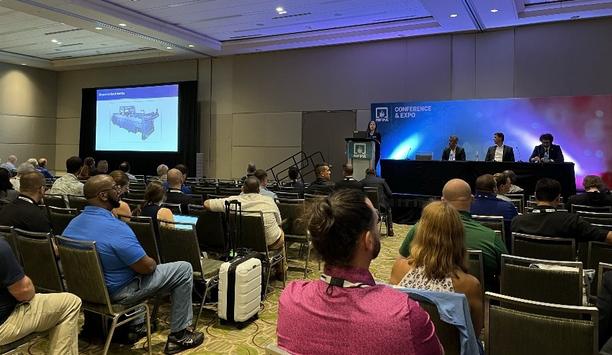
Thousands of industry professionals gathered at the 2024 NFPA Conference and Expo in Orlando in June. The event brought together educational sessions, networking opportunities, and an exhibitor showcase. NFPA is the National Fire Protection Association. The NFPA annual meeting allowed members and the public to discuss and vote on proposed changes to fire codes and standards. “It’s a gathering place for people in the industry,” says Dr. Rodger Reiswig, Vice President of Industry Relations at Johnson Controls. “You can walk around the floor and observe the trends, see what people are talking about, and view industry trends through a clear set of eyes.” New Foundation Series As vice president of industry relations, Reiswig acts as Johnson Controls’ liaison with the NFPA, works with NFPA technology committees, and serves on the Standards Council that oversees more than 300 NFPA codes and standards documents. Foundation Series is a complete family of fire alarm control units and peripheral devices At the NFPA Conference and Expo in Orlando, Johnson Controls provided “spotlight” seminars at their exhibit booth and highlighted products and services including interactive tools, inspections, remote services, restaurant systems, and the new Foundation Series Fire Safety Solution for the protection of small to mid-size buildings. The Foundation Series is a complete family of fire alarm control units and peripheral devices. NFPA’s codes and standards In addition, Reiswig attended seminars and Standards Council sessions. Technical sessions covered codes and standards that are currently “in cycle” (i.e., in the process of being updated). In a technical session on the last day of NFPA, anyone could attend to suggest changes and garner support from others on various changes. Consensus is a core principle of NFPA’s codes and standards. “This is a chance for everyone to participate, whether your interest is in roofing materials, how buildings are built, or life safety systems,” Reiswig adds. “Codes tell us when to do something, but standards tell us how to do it. If the occupancy standard says put in a fire alarm, the NFPA standard tells you how to do that.” Anyone at any level in any role or discipline can participate. new NFPA 915 Standard Fire alarm and life safety have yet lagged industry sectors when it comes to remote connectivity “Technology is changing rapidly, and the type of construction is different than 20 or 30 years ago. Use of new tools and materials in buildings is changing how much time I have to escape smoke or fire,” Reiswig says. “New construction materials allow fires to happen quickly, spread faster, and give off toxic chemicals. Tighter buildings ensure energy efficiency, but they allow less ventilation, so carbon monoxide can accumulate faster.” A common theme at the show was remote connectivity, highlighting the new NFPA 915 Standard for Remote Inspections, which guides new technologies to enable remote access and testing of life safety systems. Fire alarm and life safety have previously lagged other industry sectors when it comes to remote connectivity, but the new NFPA 915 standard opens new possibilities, and vendors at the show were promoting remote capabilities and inspections. develop safeguards and capabilities NFPA 915 Standard sets need for performing remote inspections safely and effectively The NFPA 915 Standard establishes requirements for performing remote inspections safely and effectively. It addresses various types of remote inspections. The standard also defines the responsibilities of various parties involved in a remote inspection, such as the inspector, property owner, and authority having jurisdiction (AHJ). The standard covers data collection procedures, data security, and data ownership. Overall, the standard helps to ensure that remote inspections can be conducted in a way that meets safety requirements. In effect, NFPA 915 gives the green light to manufacturers and Underwriters Laboratories (UL) to develop safeguards and capabilities to log into life safety systems remotely. The approach can help to simplify inspections, which can be performed remotely or with only one technician required on-site rather than two. Requirements include how systems communicate, the cybersecurity and credentials required, and the prevention of outside connections. Beyond fire alarms, the standard also allows other remote inspections, such as using a drone in a large warehouse to inspect sprinkler heads. Real-time information and instructions Inspectors are not allowed into buildings such as nursing homes and clinics to check their safety systems NFPA 915 was being considered before the COVID pandemic, but the business shutdowns and social distancing requirements during the worst of the pandemic increased awareness of the needs and benefits of remote inspections. During COVID, inspectors were not allowed into buildings such as nursing homes and hospitals to inspect their life safety systems. Remote access and inspections became critical, thus raising awareness of the feasibility of remote inspections that continue to drive their adoption. Another area of interest in NFPA was mass notification systems, which have matured a lot since they were introduced into the NFPA code in 2007. It’s easier than ever to provide real-time information and instructions to people in an area. Connectivity among fire alarm systems inside buildings, digital signage, and other life safety systems are promoting better notification. Area of refuge systems A new area of discussion and product development is “area of refuge” systems that complement Americans with Disabilities (ADA) requirements in buildings. In a high-rise building, for example, if the elevators are disabled, it may be impossible for a person using a wheelchair to evacuate. Instead, there are designated “areas of refuge,” which are rated to provide two hours of protection from fire. New notification systems can communicate with first responders about occupants in these areas. The NFPA conference increasingly incorporates a global presence, encouraging more collaboration among entities, countries, and associations about needs around the world. Manufacturers can work together through various associations including the Automatic Fire Alarm Association, Euralarm in Europe, and others. “Life safety is worldwide, and fires may be the same or different in various areas,” says Reiswig. “We need to remember that standards are not just for the United States because people are active from other countries.”
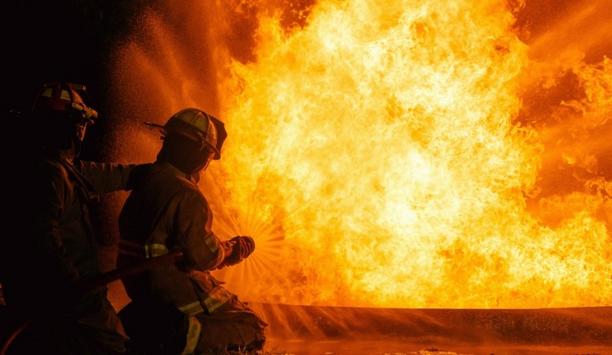
The New Future For Fire Agencies
Download
The Eight Key Trends in Fire Detection in 2023
Download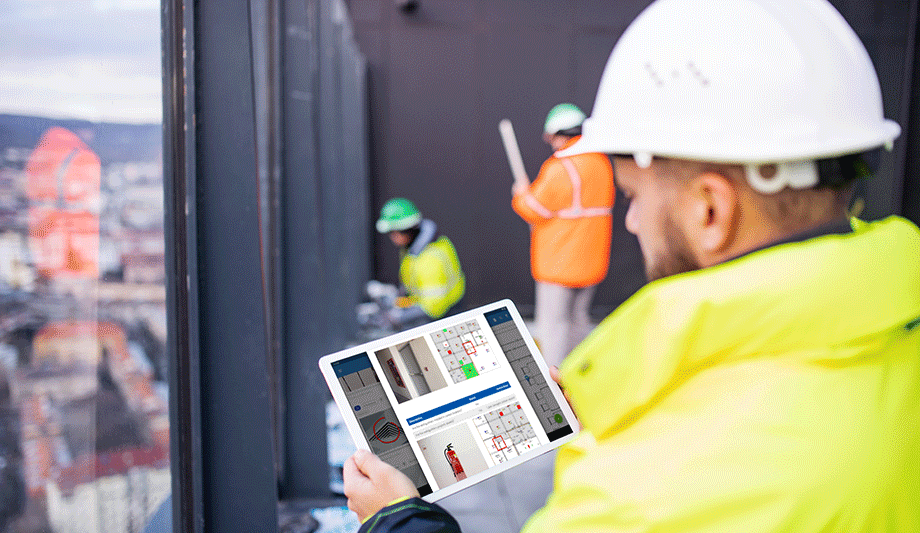
A Digital Platform to Improve Fire Safety Compliance and Inspections
Download
Overcoming the Challenges of Fire Safety in the Paper Industry
Download
Carbon Monoxide: Creeping Killer Caught In The Act
Download