
Well-insulated buildings can maintain a comfortable interior temperature for about four days on just a single day of heating enabling them to decarbonize urban environments by optimizing renewable energy sources, says a new study.
The research commissioned by Knauf Insulation Italy and supervised by Lorenzo Pagliano, Professor of Building Physics at the Department of Energy of the Polytechnic, University of Milan, found that this long-term temperature storage created flexible physically smart buildings capable of tapping into the grid when intermittent renewable supplies are available.
“The study demonstrates that a well-insulated building can work hand in hand with renewable energy supplies to effectively decarbonize the built environment,” Paolo Curati, Managing Director of Knauf Insulation Italy.
Maximizing Renewable Energy
The research found that adequate levels of insulation can quadruple the time by which a building temperature could remain comfortable after heating was switched off. On just a single day of heating, a building could stay comfortable for about four days, allowing it the flexibility to avoid using the peak energy demand periods of inefficient buildings and instead tap into renewable sources as and when available.
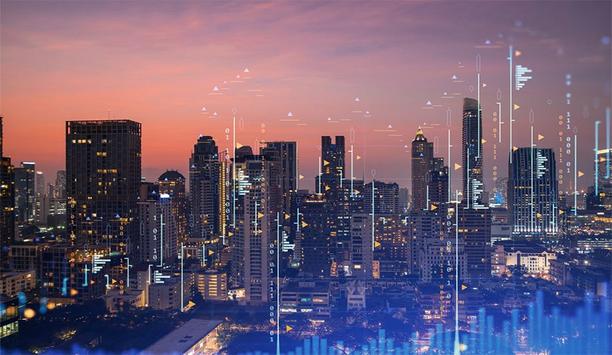
The study also revealed that deep and high-quality renovations of buildings could reduce energy use by up to 80%, further underlining the fundamental role that the energy efficiency of the building stock must play in urban decarbonization. The research started with an analysis of current energy use, which over the past 17 years, despite the growth of renewable energies, has seen a constant increase in fossil energy use in the world.
Reversing Unsustainable Energy Trends
The End Use Efficiency Research Group demonstrates the increase in thermal insulation of the buildingThis means that, contrary to national, European and international commitments, renewables do not replace, but add to the pre-existing use of fossil energy, creating an unsustainable trend that must be reversed quickly, by drastically reducing the global final energy demand by 40% by 2050 compared to current demand.
As a result, it is vital that consumption is reduced through a profound restructuring of the existing building stock, says the report. The aim of the research of the End Use Efficiency Research Group of the Polytechnic University of Milan was to demonstrate how an increase in thermal insulation of the building envelope by expanding the time during which internal temperatures remain comfortable allows it to coordinate its energy demand with intermittent renewable supplies.
Paolo Curati said, “The work of the Polytechnic, the first of its kind, supports the Energy Efficiency First principle with significant data.”
“The research justifies rational energy strategies, in which the thermal insulation of buildings and the reduction of energy demand are an indispensable prerequisite for a rapid transition towards renewable energies and towards the now necessary and urgent decarbonization of urban areas.”