
The threat of fire looms large in industrial operations. The combination of heavy machinery, flammable materials, and high temperatures can turn a tiny spark into a catastrophic inferno within moments.
However, with proactive measures and a robust prevention strategy, the risk of industrial fires can be significantly mitigated. They will delve into the common causes of industrial fires and explore prevention methods to help users safeguard the workplace.
Damaged electrical equipment
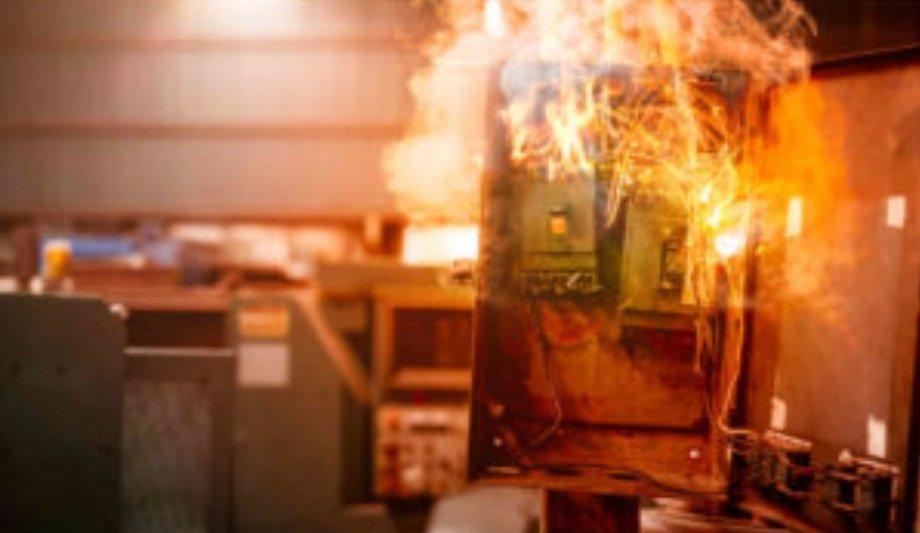
Electrical fires are a prevalent hazard in industrial settings, often triggered by faulty wiring, overloaded circuits, or damaged electrical equipment. Regular maintenance and inspections are paramount to prevent electrical fires. Implementing a routine schedule for checking wiring, outlets, and electrical panels can identify potential hazards before they escalate. Additionally, ensure that electrical installations comply with relevant safety standards and regulations.
Ensure that electrical installations comply with relevant safety standards and regulations
Investing in ground fault circuit interrupters (GFCIs) and arc-fault circuit interrupters (AFCIs) can protect against electrical faults by detecting and interrupting them. Training employees on proper electrical safety practices, such as avoiding overloading outlets and using equipment according to manufacturer guidelines, is essential to minimize the risk of electrical fires.
Implementing strict protocols
Flammable liquids, such as gasoline, solvents, and paints, pose a significant fire risk in industrial environments. Proper storage and handling are critical to preventing fires associated with these substances. Store flammable liquids in designated areas with appropriate ventilation and fire suppression systems. Ensure containers are tightly sealed and labeled correctly to prevent leaks and spills.
Implement strict protocols for using and disposing of flammable liquids, including using spark-proof tools and equipment in areas where these substances are present. Conduct routine training sessions to educate employees on the safe handling and storage of flammable materials, emphasizing the significance of vigilance and adherence to established procedures.
Well-ventilated areas
Store compressed gas cylinders in well-ventilated areas away from heat sources and ignition points
Compressed gases, such as propane and acetylene, are commonly used in industrial processes but can pose a severe fire hazard if mishandled. To prevent fires caused by compressed gases, proper storage, handling, and maintenance procedures must be followed. Store compressed gas cylinders in well-ventilated areas away from heat sources and ignition points.
Inspect cylinders regularly for signs of damage or leaks and replace faulty equipment immediately. Implement strict controls on the use of compressed gases, including training employees on proper handling techniques and emergency response procedures in case of a leak or release.
Hot Work Fires
Hot work, which includes welding, cutting, and brazing, presents a massive fire risk due to the intense heat generated during these processes. Before commencing hot work activities, conduct a thorough risk assessment to find potential hazards and implement appropriate controls. Clear the work area of flammable materials and establish a fire watch to monitor for sparks or hot particles.
Clear the work area of flammable materials and establish a fire watch to monitor for sparks
Provide employees with personal protective equipment (PPE), such as flame-resistant clothing and face shields, to reduce the risk of injury in case of a fire or explosion. Implement a permit-to-work system to ensure that hot work activities are authorized and supervised by trained personnel.
Effective housekeeping practices
Effective housekeeping practices play a crucial role in preventing industrial fires by minimizing the accumulation of combustible materials and reducing ignition sources. Maintain clean and orderly workspaces, removing clutter and debris that could fuel a fire. Apply a regular cleaning schedule to remove dust, dirt, and other flammable residues from equipment and surfaces.
Store materials and equipment properly, keeping flammable substances segregated from ignition sources and ensuring that emergency exits and firefighting equipment are readily accessible. Encourage a culture of safety awareness among employees, empowering them to report potential hazards and participate in fire prevention initiatives.
If users want to ensure their home and business is safe throughout the year, trust Judd Fire Protection, LLC. They have over two decades of experience designing, installing, inspecting, and repairing residential and commercial fire protection systems. They serve clients throughout Maryland, Pennsylvania, Washington, D.C., Virginia, and West Virginia.