
Fire and Rescue NSW (FRNSW) is urging the public to be extra cautious after what appears to be the state’s first recorded deaths in a Lithium-Ion battery-related fire last week.
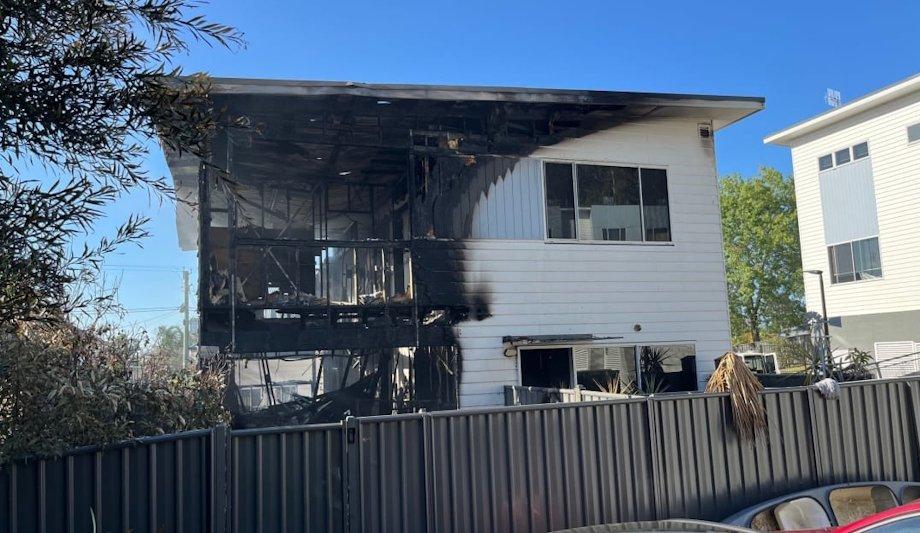
About 4.10 am on Thursday, 29 February, four people were inside a townhouse at Teralba at Lake Macquarie when a fire broke out.
FRNSW investigators believe a battery was compromised and immediately went into ‘Thermal Runaway,’ a process where a Lithium-Ion cell overheats and gives off toxic gases before exploding in flames.
Lithium-Ion battery-related fires
There have been 45 Lithium-Ion battery-related fires in NSW so far this year, or five incidents a week
Two of the occupants escaped the intense flames but two others inside the townhouse were killed, their bodies recovered from the unstable ruins on Friday and Saturday.
NSW Police are working to formally identify the victims and prepare a report for the NSW Coroner, who will formally decide the cause of the deaths.
The tragedies mark what FRNSW regards as the first deaths in NSW due to a Lithium-Ion battery-related fire. According to the latest FRNSW statistics, there have been 45 Lithium-Ion battery-related fires in NSW so far this year, or five incidents a week.
Public warnings
There were 269 such fires in this state last year at the same weekly rate
There were 269 such fires in this state last year at the same weekly rate. FRNSW is reinforcing its public warnings about the dangers of such batteries when compromised, damaged, or allowed to overheat.
“This appears to be what we have been fearing for a while now, a person or persons dying due to a Lithium-Ion battery-related fire in this state,” FRNSW Commissioner Jeremy Fewtrell said.
“We continue to warn the community about the potential for these batteries to explode in flames,” Commissioner Fewtrell said. “Use extra caution when using Lithium-Ion batteries…when they go into ‘thermal runaway,’ the danger is immediate.”
Safety advice
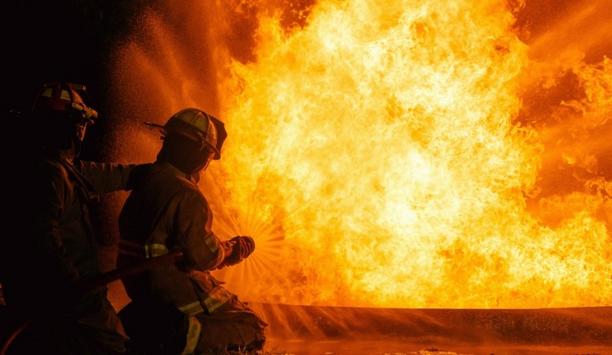
“These fires are extremely intense and volatile, even our firefighters find putting them out challenging because they burn so hot. It’s vital the public follows our safety advice around these batteries,” concluded Jeremy Fewtrell.
- Never sleep or leave home with the Lithium-battery-powered devices charging
- Don’t leave them constantly on charge
- If Lithium batteries are damaged or compromised, dispose of them properly
- Don’t throw them out in the rubbish, they can start garbage truck or rubbish tip fires when compacted
- Contact the local, approved recycling centre for disposal advice
- Don’t leave devices charging on beds, sofas, or around highly flammable materials
- Try to charge devices outside if possible
- Always buy reputable Lithium-battery brands and never ‘mix and match’ components
- Beware of cheap, substandard Lithium battery-powered devices
- Avoid dropping, crushing, or piercing battery cells
- Store batteries and devices in a cool, dry area, away from combustible materials
- Install active smoke alarms in the home/garage
- Ensure that one has a home evacuation plan in the event of fire
- Don’t store or charge Lithium-Ion-powered devices near exit points in the home