
 |
| Christmas lights, candles and decorations pose fire and safety risks to homeowners |
In this article, Lorraine Carli, Vice President of Communications at the NFPA, and John Drengenburg, Manager of Consumer Affairs at Underwriters Laboratories, urge consumers to practice "TLC" safety for safer decorating this season
Festive lights, ornamented trees, candles and other in-home decorations are not the only indicators that the holidays are upon us.
Statistics from the Consumer Product Safety Commission (CPSC) show that nearly 13,000 people visit the emergency room each year with holiday decorating-related injuries, meaning many families find that bruises, burns and damaged homes are also unfortunate, but preventable, indicators.
According to the National Fire Protection Association (NFPA), December and January are the peak months for the overall number of home fires, deaths and injuries. Families looking to spread holiday cheer should also be aware that each year an average of 240 home fires start with Christmas trees and an additional 1,300 begin with various other seasonal decorations.
With more home fires occurring during the holiday season than any other time of year, Underwriters Laboratories (UL), one of the world’s leading product safety organizations, and the NFPA, an authority on fire and life safety, have teamed up to help families prevent unnecessary fire and safety hazards with “TLC” – Tree, Light and Candle – safety.
“By following the simple guidelines of ‘TLC’ safety, your family’s holiday season will remain memorable for the right reasons,” said John Drengenberg, Manager of Consumer Affairs for Underwriters Laboratories.
“T” is for Tree
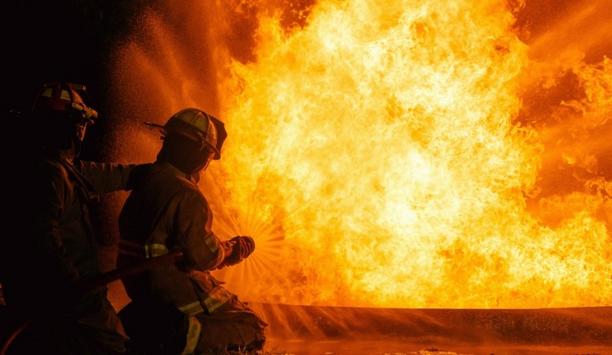
A person dies in every one in 15 report Christmas tree fires - but by following a few rules, they can be easily prevented |
When outfitting a home with a Christmas tree, families must be mindful of unintended dangers. “While Christmas tree fires are rare, they can be deadly,” said Lorraine Carli, NFPA’s vice president of communications. “NFPA reports show that on average, a person died in one of every 15 reported Christmas tree fires. As with most fires, following a few simple safety guidelines can prevent these fires from happening in the first place.”
- When you bring your Christmas tree home, cut one or two inches off the bottom and place the tree in water as soon as possible.
- Remember to keep your tree base filled with water at all times. Left unwatered over time, a tree’s needles can dry out and catch fire more easily.
- Keep your tree a safe distance (at least three feet) from fireplaces, radiators, space heaters, heating vents and other sources of heat.
- Make sure the tree is not blocking an exit.
 |
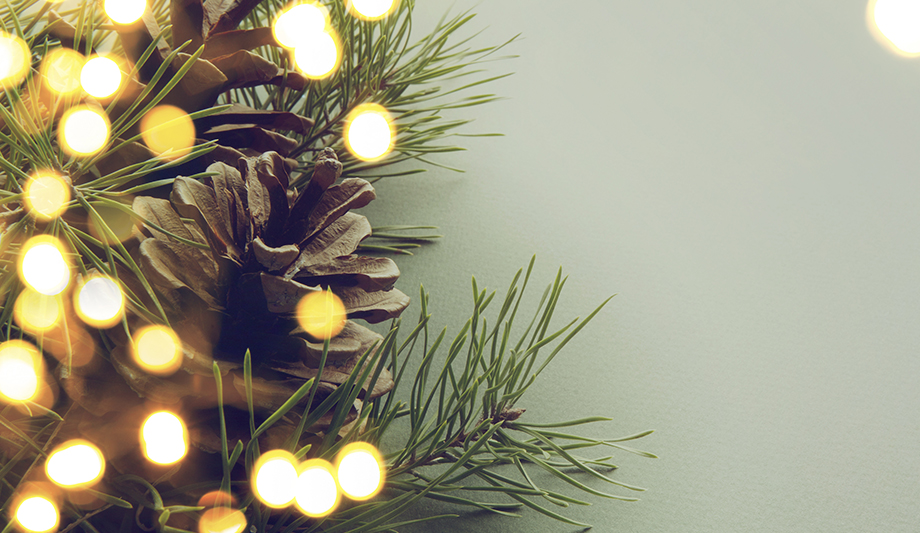
| Christmas lights should be checked and re-checked every year |
“L” is for Lights
Families are encouraged to routinely examine decorations, whether new or old. Holiday lights, extension cords and other electrical items may pose potential safety hazards, especially if they are counterfeit or do not legitimately bear a recognized safety certification mark, such as the UL Mark (the letters “UL” inside a circle).
An accredited safety certification mark is a great way to make sure your decorative item has been tested to UL requirements that help avoid foreseeable safety risks.
- Carefully inspect each electrical decoration before plugging it in. Cracked sockets, and frayed, bare or loose wires, can cause a serious electric shock or start a fire. Replace damaged items with new, UL-LISTED decorations.
- Be sure to use light strings that bear the UL Mark - which means that UL has tested samples of the product for risk of fire, electric shock and other hazards.
- Do not connect more than three midget light string sets together. Light strings with screw-in bulbs should have a maximum of 50 bulbs connected together.
- Turn off all electrical light strings and decorations in your home before leaving home or going to bed.
“C” is for Candle
Candles are the worst home fire threat at Christmas - responsible for 71 percent of December home fires |
Candles in particular were responsible for 71 percent of December home fires that began as a result of improper decorating practices.
“While candles present the most significant fire hazard during the holiday months, all decorations should be inspected for safety,” said Drengenberg. “By keeping safety top of mind, you and your loved ones can enjoy a safer holiday season.”
- Never leave a room where candles are lit - always blow them out.
- Never place decorations near an open flame.
- Keep candles away from decorations, curtains, bedding, paper, furniture and other combustible materials.
- Keep candles out of the reach and path of children and pets to avoid the risk of having them accidentally tipped over.
Lorraine Carli
Vice President of Commincations - National Fire Protection Association (NFPA)
John Drengenburg
Manager of Consumer Affairs - Underwriters Laboratories Inc.