|
| NYFRS has also asked people to follow the Fire Kills campaign’s top tips to ensure the outdoor adventure is a safe and enjoyable one |
As part of the Fire Kills campaign, North Yorkshire Fire and Rescue Service is asking people to stay safe this summer as they make the most of the weather and enjoy the great outdoors, whether camping, cooking or exploring.
“A long hot summer is what we hope for,” said Group Manager Peter Hudson. “However like many changes in activity, it can bring risks. If you’re intending to take out your tent, ready your rucksack or get your caravan back on the road, you should go armed with some safety advice before heading for the great outdoors.”
By following the Fire Kills campaign’s top tips you can ensure that your great adventure is a safe and enjoyable one.
Tents
- Allow at least 6m spacing between tents and caravans and ensure they are away from parked cars to reduce the risk of fire spreading
- Never use candles in or near a tent – torches are safer.
- Keep cooking appliances away from the tent walls and never cook inside a small tent or near flammable materials or long grass; they can all set alight easily.
- Make sure you know how to escape by cutting your way out of the tent if there’s a fire.
- Make sure everyone knows how to put out clothing that’s on fire – stop, drop and roll.
- Don’t smoke inside tents.
Caravans
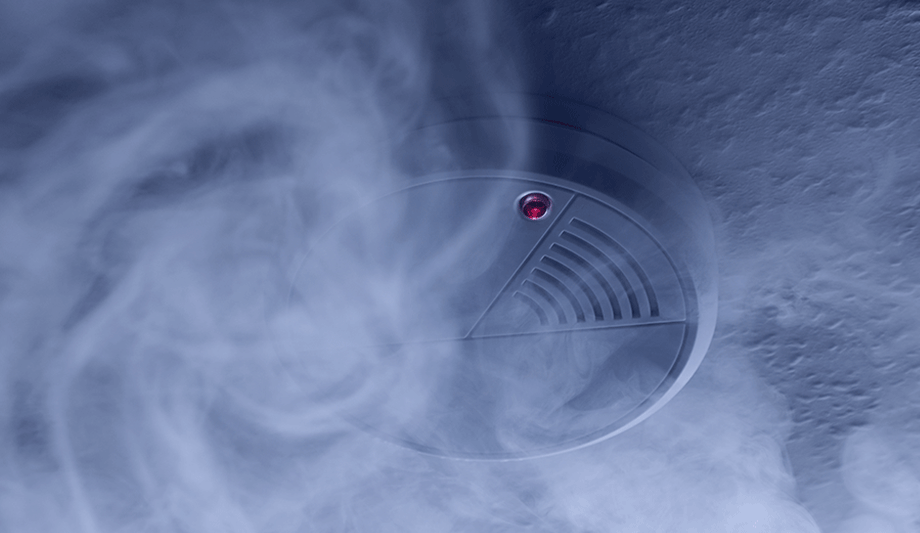
- Fit and test a smoke alarm in your caravan.
- Take special care when cooking – don’t leave pans unattended.
- Turn off all appliances before you go out or to bed.
- Make sure ashtrays are made of a material that can’t burn or topple over –never smoke in bed.
- Don’t dry clothes over the stove.
- Remove any litter and rubbish near the caravan to reduce the risk of fire spreading.
- Make sure the caravan is ventilated, and never block air vents, to avoid a build-up of poisonous gases.
Open Fires
If you must have an open fire:
- It should be downwind, at least 10m from the tent.
- Clear dry vegetation, leaves, etc, to form a circle of earth around the fire.
- Build a stack that will collapse inwards whilst burning.
- Do not leave fires unattended.
- Make sure that fires are fully extinguished after use.
If a fire should breakout:
- Call the fire and rescue service and give the exact location.
- If necessary give a map reference.
- If this is not possible a landmark such as a farm or pub etc, will help them locate you.
Grass and forest fires spread rapidly
- Never throw cigarette ends out of a car window – they could start a fire and ruin surrounding countryside.
- Don’t leave bottles or glass in woodlands. Sunlight shining through glass can start a fire. Take them home or put them in a waste or recycling bin.
If you discover a fire:
- Do not be tempted to investigate.
- Leave the area as quickly as possible and call 999 and ask for the fire and rescue service.
- Do not return unless the fire and rescue service tells you that it is safe to do so.
In closing Group Manager Peter Hudson said: “It may all sound a bit daunting but it needn’t be, most of this advice is common sense. From time to time we all need reminders; so enjoy the countryside and your recreation and be safe.”