|
| CPSC and USFA are working to further reduce fires and fire deaths through education |
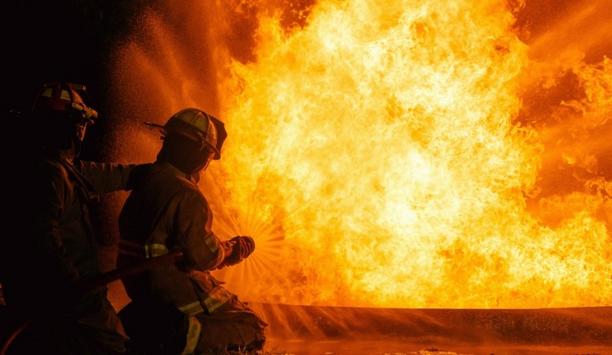
In recognition of Fire Prevention Week, the U.S. Consumer Product Safety Commission (CPSC) and the U.S. Fire Administration (USFA) have provided new statistics on fires in American homes and urging consumers to install smoke alarms in their homes and check to make sure all smoke alarms are working properly. It is also vitally important to develop and practice a family fire escape plan.
In a report released recently (PDF, 396 Kb), CPSC estimates there were an average of 366,700 unintentional residential fires, 2,310 deaths, 12,550 injuries and more than $7 billion in property damage each year attended by fire service between 2008 and 2010.
The top cause of fires in the home is cooking equipment, accounting for an estimated 147,400 or 40 percent of residential fires each year between 2008 and 2010. Cooking was also associated with the largest percentage of fire-related injuries, an estimated average 27.4 percent or 3,450, in the home.
Home heating and cooling equipment, including portable space heaters, was a top cause of fire deaths, accounting for about nine percent or 210 deaths on average, in homes each year between 2008 and 2010. Portable heaters were associated with 100 of those deaths each year.
"Six people die every day in home fires," said CPSC Chairman Inez Tenenbaum. "The early warning provided by smoke alarms can make a big difference. Consumers who have working smoke alarms in their homes die in fires at about half the rate of those who do not have alarms."
"Every second counts when there is a fire in your home," said U.S. Fire Administrator Ernie Mitchell. "It is easy to believe that when the smoke alarm sounds, you and your family will be able to escape. A home fire drill can prepare you and others to escape a real life emergency in your home."
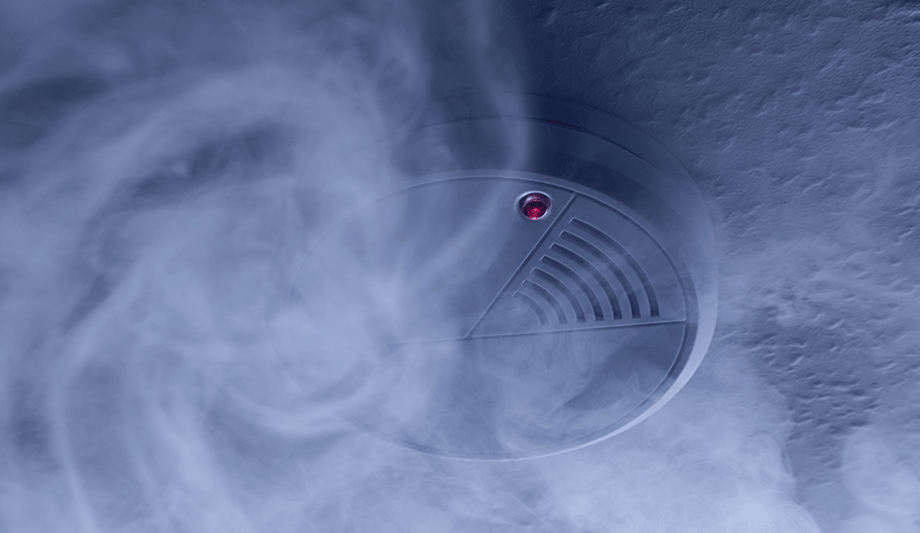
CPSC and USFA recommend that every family have a working smoke alarm in their home. To provide better warning of a fire and more escape time, install more than one alarm and interconnect all smoke alarms in the home. Interconnected alarms speak to one another so if there is a fire in one part of the house, the interconnected alarms sound throughout the house and alert consumers to the fire more quickly.
For the best protection, CPSC and USFA recommend installing alarms on every level of the home, outside sleeping areas and inside each bedroom. Install both ionization and photoelectric alarms and make sure alarms are interconnected throughout the home. Alarms that are powered by house wiring should have battery backup.
According to the National Fire Protection Association, the death rate per 100 reported fires was 49% less in homes with working smoke alarms than in homes without this protection. In addition to using alarms, never leave cooking items unattended and have a professional inspect heating and cooling equipment every year, including fireplaces and chimneys. Be extra careful with cigarettes and other smoking materials. Keep matches and lighters out of the reach of children.
According to USFA, the fire death rate dropped by 20 percent over the 10-year time period 2000 through 2009 on a per capita basis for a variety of reasons. CPSC and USFA are working to further reduce fires and fire deaths through education and standards work. CPSC staff is working with other federal agencies on new smoke alarm technology to improve effectiveness and reduce nuisance alarms. CPSC is also developing rulemaking aimed at reducing upholstered furniture fires.