Fire Safety Planning - Expert Commentary

After years of Brexit negotiations and an ongoing climate of prevailing uncertainty, businesses across the UK are still adjusting to the realities of life outside the European Union. Following the end of the UK’s transition period with the European Union, at the end of last year, the United Kingdom is no longer subject to European laws. However, for many companies, the last-minute nature of the Brexit negotiations mean that they remain unclear on what has actually changed in practical te...
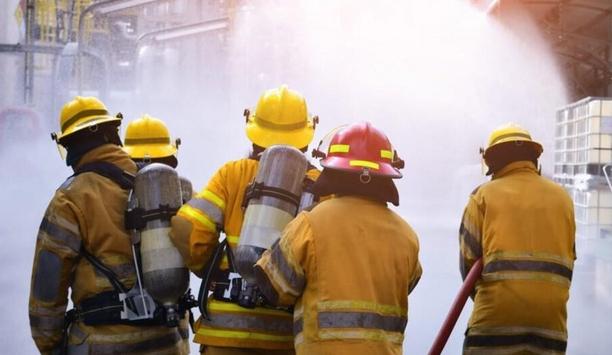
The front line fire and rescue teams have had their hands full during the pandemic, more so than one might think. In the UK, for instance, fire and rescue teams attended more than half a million incidents throughout 2020, with more than 150,000 of them regarded as serious fires. Across the Atlantic, the US Fire Administration has reported 42 firefighter fatalities so far this year, despite swathes of the country still being in lockdown as the vaccine rollout continues to pick up the pace. Thes...
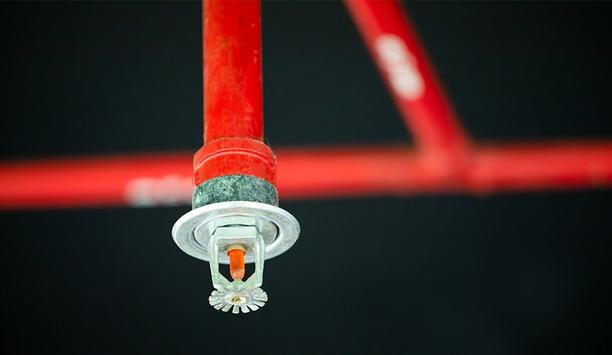
The fire sprinkler system in your building is a critical safety measure and, when needed, it can save lives. Still, even the best systems can malfunction, and sprinklers do occasionally fail. When they do, they can drench the interior of your building, damaging everything from furniture and personal belongings to drywall and building materials. As a property manager, dealing with fire sprinkler failure can feel overwhelming. What do you do next? Where do you start? And why did the sprinkler sy...
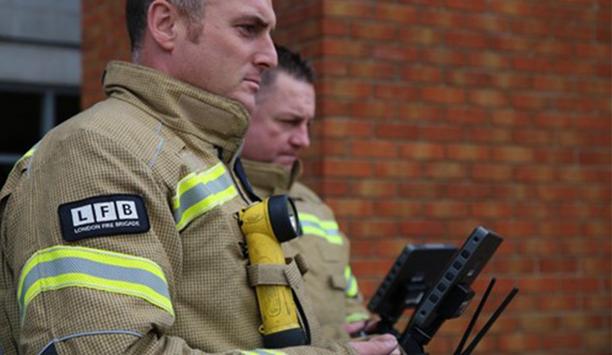
Drones give Incident Commanders an aerial view, increasing their situational awareness of fires and helping them to develop tactics to tackle them. Station Officer Lee Newman details how the technology was implemented by London Fire Brigade and the continued benefits. Identify external risks The Grenfell Tower fire has resulted in revisions to several operational procedures and the introduction of new equipment within the Brigade. A few months after the fire, the Brigade was tasked with sett...

There is a sense in some markets that the paper and pulp industry will decline owing to the digital technologies with which people interact every day. While this might be considered logical, the reality is completely different. In fact, the paper and pulp industry has experienced a steady growth and will continue to do so in 2021. Production of paper increased by more than 450% in the last decades and the demand of paperboard in the world is expected to grow significantly, driven by e-commerce...

The UK’s demand for sustainable heat and power sources is increasing rapidly. This is seeing a growing dependence on renewable energy sources for electricity, and, as we’re facing a landscape of constrained power generation, consistency of this power source is becoming a key concern. Fire is an evolving risk for power stations. It can cause prolonged outages, which are damaging to sites’ personnel, equipment, and fuels. However, these fires are very common. James Mountain, Sal...
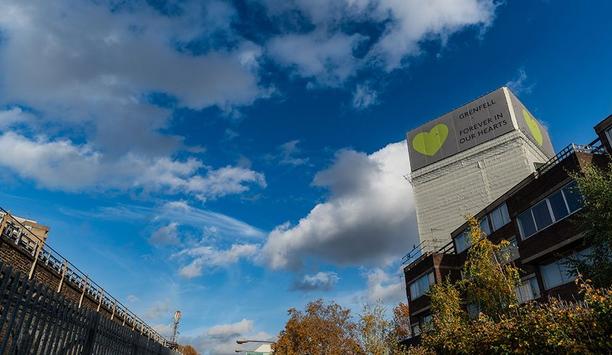
Mathew Baxter is the Founder and CEO of the echelon group with responsibility for the management of echelon Consultancy, Pretium Frameworks and echelon Improvement Partnerships. Mathew has spent most of his working life in the construction sector. The devastating Grenfell Tower fire has prompted what the government has referred to as ‘the biggest change in building safety for a generation’. So what do the Building Safety and the Fire Safety Bills mean in terms of emergent legislatio...

The risk of fire is thankfully not an immediate threat in most people’s everyday lives. But this has led to a nonchalant attitude where many fail to appreciate the true dangers posed by a fire situation. The pandemic has served to make matters even more complex, and has pushed fire safety on the back burner as facility managers (FMs) turn their attention to COVID-proofing the workplace. Safety at work is now more of a focus than it has ever been, but the race to ensure we can return to wo...
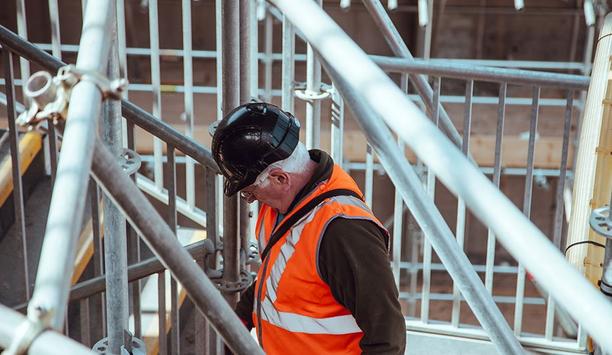
The Grenfell tragedy has shocked the public and rocked the construction industry. The ongoing inquiry into the 2017 tower block fire has exposed huge flaws in existing practices across architecture, material specification, and building projects. It is also reinforcing the critical importance of fire protection. It took Grenfell, and admittedly the many years that have followed, for the industry to fully reappraise the product selection and testing regimes needed to ensure resident safety in bui...

As Grenfell remains a chilling reminder of the importance of fire safety in construction, new digital methods are now being adopted to guarantee the safety of end users. But how is digitization helping and how will this further advance fire safety during the wider construction process? There’s no doubt that the past five years have had a profound effect on the construction industry. Events such as the 2017 Grenfell Tower fire disaster have forced the industry to sit-up and rethink the pro...

Businesses operating within the waste industry are susceptible to a wide range of fire risks. Storage of combustible materials, the ongoing use of industrial vehicles and waste’s natural ability to rise in temperature all add to these risks. The sector’s safety has improved over recent years, with the Environment Agency (EA) making Fire Prevention Plans (FPPs) mandatory for every waste and recycling site. However, there’s still a way to go to ensure maximum safety - and insurer...

Innovation in the fire protection industry can oftentimes be slow to move forward, particularly when compared to other similar industries. This is because legislation, regulation, and enforcement, while all necessary proponents within the sector, can often slow the tide of revolutionary ideas. However, the ability to innovate in this industry can quite literally be a matter of life and death. The developing intricacies of modern infrastructure and the demand for more sustainable solutions must...

Since the Grenfell tower tragedy in 2017, residential high-rise fire safety has become a top priority for tower block building managers. If a high-rise building is found to contain combustible cladding, then the standard ‘stay put’ policy is no longer considered safe, and instead a temporary ‘simultaneous evacuation’ strategy must be put in place until the cladding issue is resolved. Currently a Waking Watch protocol is the preferred option for ensuring resident’s...

In any business, fire can cause significant damage and substantial loss of revenue, assets, or productivity due to a period of downtime. However, fires can be prevented through continuous temperature monitoring, as it can detect hot spots or rising temperatures that may lead to a fire. Temperature monitoring, in combination with effective suppression systems, can largely reduce fire risk and safeguard your teams, assets and the environment. How thermal imaging supports fire detection and suppr...

There are many daily risks faced by buildings and their managers, with electrical fires being one of the most common and dangerous. Commercial fires impact occupant health, property and the business itself – with 25% of businesses who suffer a fire never reopening. Given the often-unpredictable nature of electrical fires, businesses must invest in the latest technologies to prevent irreparable damage. It is the responsibility of the consultant engineer to show le...

Due to the nature of their design and uses, tunnels have particularly unique fire risks, and any fire can spread quickly, risking damage to assets or injuries to teams. Mining, cable and communication tunnels are subject to significantly high risks, as they utilize heavy-duty machinery, flammable materials and cables, which are all subject to the production of excess heat. Here we discuss the prevalent fire risks in tunnels and explain how businesses operating within them can assess and mitigat...

In the years since the Grenfell Tower tragedy of 2017, all eyes have been on fire regulations, which have come under increased scrutiny – and it’s easy to see why. Even after the disaster, businesses across the UK are still lagging behind on mandatory fire safety regulations. It seems that regulatory change has not brought about the desired outcome at most organizations. With all 53 recommendations of the Hackitt Review set to come into effect this year, many a...

The recruitment of firefighters is not cheap. While metrics and budgetary line items vary among the size of fire departments, the recruitment of one firefighter from the viewing of your recruitment materials on Day One through academy graduation to one full year on the job is very expensive. For a check up from the neck up, let's begin with two quizzes: The Ultimate Firefighter Recruitment & Retention Quiz Part 1: Is your department having difficulty recruiting qualified firefighters,...

Our world is filled with ‘extrusions’. They are small and not-so-small cross-sections that operate as seals, bridging the complex components of machines and moving parts together and helping them to keep them in working order. There are many different types of extrusions, and the diversity of their functionality often puts them at risk of — and makes them important in preventing — situations that can lead to electrical fires. Extrusions are also often made out of d...
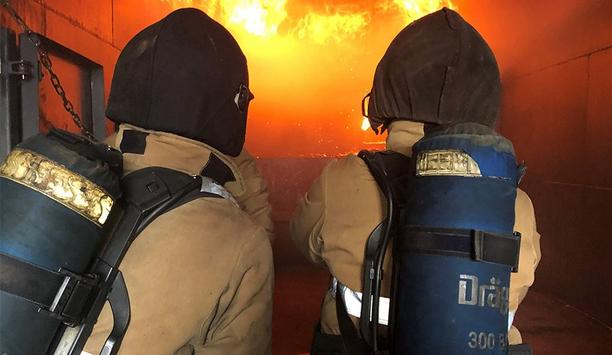
The importance of firefighter health has received increased media attention in recent times, and rightly so. Following Covid-19 more emphasis is now being placed on hygiene and disinfection, which I believe will be one positive outcome of this pandemic. A significant cultural change has been a long time coming to take us away from firefighters wearing dirty kit as a badge of honor that proves their hard work and value, to understanding that clean and well maintained kit sup...

According to the 2009 edition of the Emergency Care Research Institute Health Devices Guide, operating room fires rank third on the top 10 technology hazards. ECRI estimates that between 550 to 650 fires occur in operating rooms in the United States. The most common sites where fires were the head, face, neck and upper chest (Hart, MD et al. 2011) which means that patients are disproportionately at risk compared to patients exposed to fire risks in other parts of a hospital. Fire hazards in Op...

The majority of fires within the UK take place within the home; with that in mind, it is highly advisable to regularly update and practice exit strategies in the event of an emergency. In order to raise awareness of fire safety in our communities, it’s important to be clear on what the most common causes of household fires are. Electrical appliances Electrical items are a major culprit of home fires. This can easily be avoided by ensuring a PAT test is carried out each year. It’s...
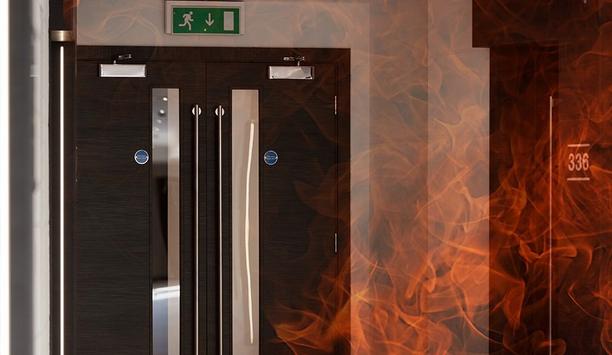
Last year saw a 14 per cent increase in fires in England, according to UK Home Office statistics. And while around three million fire doors are installed in the UK every year, a lack of understanding during operation, maintenance and management of fire doors is still apparent. In this article, David Hindle, Head of Door Closer Sales at ASSA ABLOY Opening Solutions UK & Ireland, will address this issue. Importance of fire doors Fire doors are often the first line of defense in a fire, yet e...

During these challenging times, it is more important than ever to protect the supply chain of food, including supermarkets and convenience stores in cities around the world. On average 3,740 fires occur in food and groceries stores in the US annually, including supermarkets and convenience stores, according to a report published by the NFPA (National Fire Protection Association). Structure fires in mercantile properties were responsible for the loss of 12 lives and more than $600 million indir...

Every day, across the globe, emergency services teams come to people’s aid no matter the situation to ensure their safety. Whether it’s during a natural disaster, or at a significant event, the emergency services are on hand to face any challenge that comes their way. When supporting this crucial workforce, it is essential that they have robust and reliable connectivity. Technology is becoming a vital aspect of public safety and security worldwide, and this trend is only likely to g...
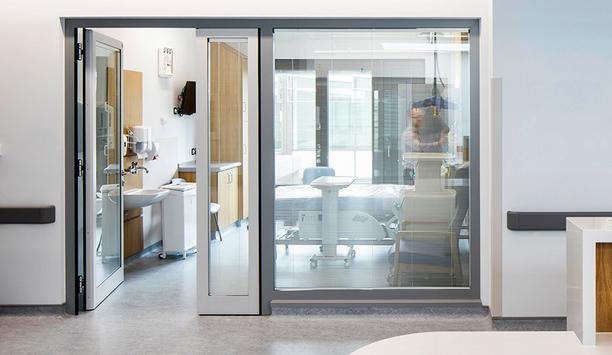
With many businesses and facilities re-opening sites following the Coronavirus lockdown, fire safety may not seem high on the list to other worries and responsibilities. But here, Mandy Bowden, Fire Business Development Manager at Comelit Group UK, led by fire industry bodies, demonstrates why it must be a priority, ensuring installation of systems is guided by best practice in accordance with the development, and fire safety measures are maintained and regularly tested to ensure compliance. Fi...

As we continue to settle into our new norm brought on by COVID-19, it’s become hard to imagine what the world will look like on the other side. If ever there were a clearer definition of a paradigm shift in the making, it’s this time. Yet, it’s not the only paradigm that has shifted in the last few years. As the climate has continued to change, helping to create more fuel for wildfires, we’re experiencing compounding changes at a global scale. And, the light at the...

With so many of us having been confined to our homes over the past few months, it’s fair to say that we have started to notice more about our living environments. As we’ve become increasingly familiar with our surroundings, some of us have had the urge to change them. DIY projects have surged, gardens have been given a new lease of life and the rooms around our homes have been decorated (twice in some cases). Doors and fire safety It’s always nice to put up new wallpaper and...

2020 introduced a variety of unique challenges for many industries around the world. Not surprisingly, the fire detection industry was not immune to all of those challenges. However, as much of the global community defined our manufacturing and installing peers as “essential” or “critical” it required us, as an industry, to adapt so we could continue to service our customers with our products and services. Many regions around the world are experiencing significant deman...
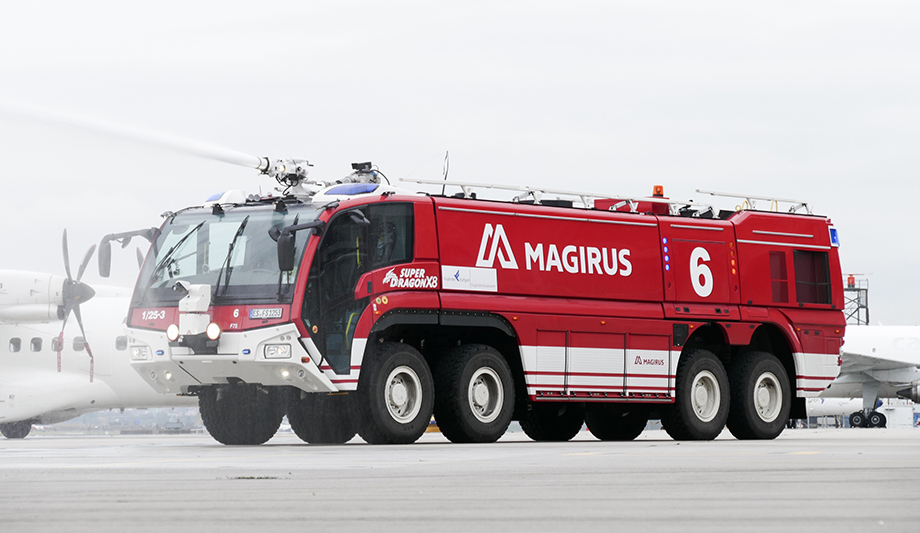
For those responsible for procuring and managing fire vehicle fleets, speed, driveability and reliability are paramount concerns. As well as the ability to accelerate, slow and stop rapidly and safely in city traffic, fire engines need to be highly manoeuvrable in tight spaces or on rough terrain. They are required to access many different types of environment at high speed, and, even more than other types of heavy-duty vehicles driven at slower speeds by professional lorry drivers, they need t...
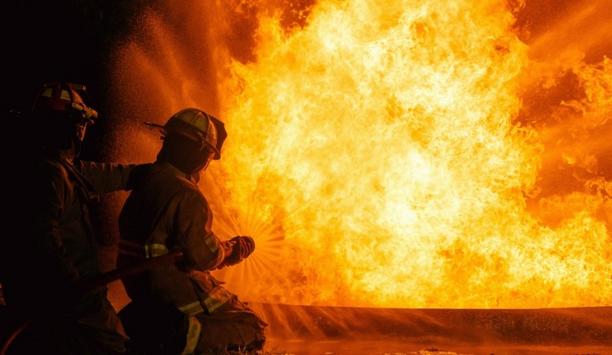
The New Future For Fire Agencies
Download
The Eight Key Trends in Fire Detection in 2023
Download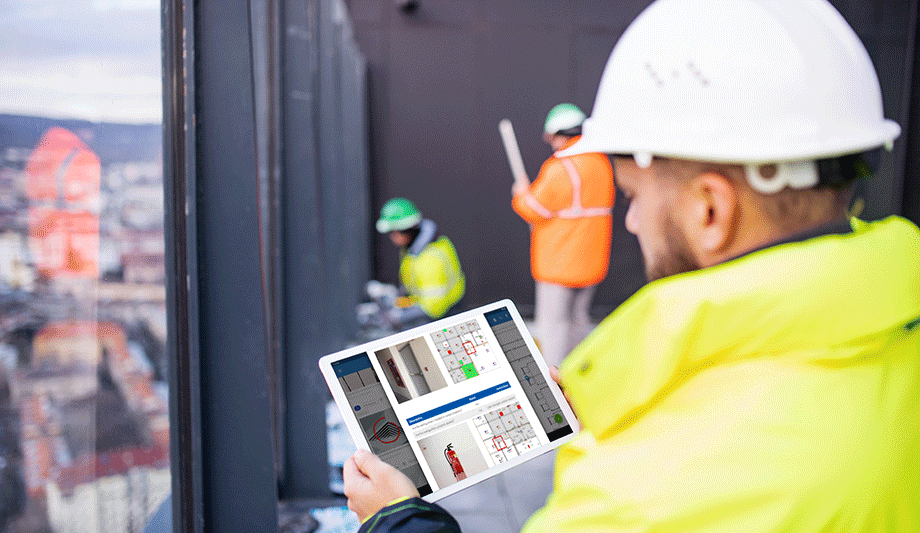
A Digital Platform to Improve Fire Safety Compliance and Inspections
Download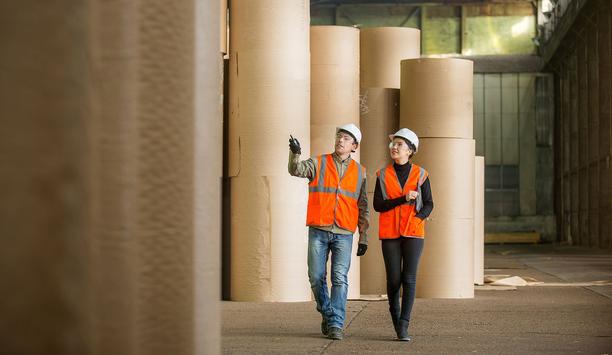
Overcoming the Challenges of Fire Safety in the Paper Industry
Download
Carbon Monoxide: Creeping Killer Caught In The Act
Download