Bristol Uniforms Ltd. - Experts & Thought Leaders





Latest Bristol Uniforms Ltd. news & announcements

Firefighters can find themselves in challenging situations on the job every day, and they expect their equipment to be working and to help keep them safe on each call. MSA Safety, Inc., and Bristol Uniforms, Ltd., understand this expectation, and this week, at the Emergency Services Show (ESS) in Birmingham, United Kingdom, both are showcasing how their expertise in fire safety solutions and in fire equipment care can help firefighters and fire brigades enhance efficiency and safety. First responder safety Bristol Fully Managed Services will highlight their end-to-end solution for helping to promote first responder safety Featuring their expertise in caring for equipment, Bristol Fully Managed Services will highlight their end-to-end solution for helping to promote first responder safety. Bristol Fully Managed Services offers total management and logistical support for the care and maintenance of fire protective clothing (FPC) and firefighter personal protective equipment (PPE). Bristol associates have developed intensive repair routines based on years of experience and proven results, while adhering to key standards covering cleaning and inspection in the United Kingdom. Enhanced garment cleaning efficiency As a FPC manufacturer and service provider, having all operations in-house provides Bristol with the unique ability to find solutions and quickly respond to unique situations or incidents in the fire service, helping to keep customers safe and their equipment functional. Recent investments in Bristol facilities have enhanced garment cleaning efficiency, with a set up for handling a high volume of garments while maintaining quality and accountability. Bristol Fully Managed Services can provide equipment support for additional PPE, including fire helmets, boots, hoods and gloves. Attention to detail “By combining advanced technology with careful attention to detail, we’re able to enhance the services we provide and better support our customers’ needs and keep firefighters operational,” said Jo Garner, Manager of Bristol Uniforms. “Our expertise as a manufacturer and a service provider allows us to develop a unique relationship with our customers. This allows for us to develop innovative safety solutions that are driven by our customers, while delivering on the value our services provide by helping to make fire operations more efficient.” Innovative fire protective clothing Bristol Uniforms will have the full line of fit for purpose, innovative fire protective clothing on display at ESS, including: Bristol Rescue Stretch: Bristol’s newest style, it integrates one of the industry’s latest innovations, the lightweight GORE-TEX CROSSTECH PYRAD stretch fabric, and is flexible, waterproof, wind proof, and has blood-borne pathogen protection; Bristol X4 Wildland Garment: Designed to be worn for longer periods of time in hot environments, it offers lightweight comfort to help firefighters in situations where wearing a structural suit could be too inefficient, Bristol X4 TRW-Hybrid Suit: Designed for the evolving demands of technical rescue teams and wildland firefighters alike, it can transition from technical rescue to wildland firefighting applications, and; Bristol X4 Structural: Providing enhanced comfort, the style is made to conform with the most widely used standards, EN269:2020 – Level 2 and EN1149.5:2018, and is highly customizable. Further showcasing expertise in FPC, two Bristol partners will be featured in the MSA and Bristol booth at ESS. PGI Safety, maker of the PGI particulate blocking hoods, will be showing how the hoods provide flame, heat and particulate protection without sacrificing breathability or comfort. Bristol is the exclusive PGI hood distributor in the U.K. Additionally, Gore will be displaying their FPC textile technology, as they are one of Bristol’s strategic suppliers for fire protective clothing. Fire safety solutions ESS attendees will also see MSA’s expertise in fire safety solutions and the latest enhancements ESS attendees will also see MSA’s expertise in fire safety solutions and the latest enhancements to the MSA Connected Firefighter Platform, an ecosystem of internet-connected technologies that help fire and rescue services better manage PPE and related data associated with use and maintenance. The ecosystem includes the M1 SCBA, MSA’s modular breathing apparatus system; the MSA HUB, a wireless, cloud-connected gateway for on-scene and remote monitoring; and FireGrid cloud platform solution. MSA Safety will be highlighting the impact and value of the data that is available from the Connected Firefighter Platform and how data transmitted directly from the M1 SCBA to the cloud is integrated with FireGrid to help enhance safety, inform on-scene decision making, and make monitoring and post-event analysis easier. GALLET brand of fire helmets MSA Safety will also be featuring its GALLET brand of fire helmets at ESS MSA Safety will also be featuring its GALLET brand of fire helmets at ESS, including the GALLET F2XR Rescue Helmet and GALLET F1XF. Designed to meet a multitude of challenges, the GALLET F2XR rescue helmet is certified for water operations, featuring innovative accessories like an integrated ocular visor and modular waterproof ear protection covers that are suitable for water rescue missions and uniquely approved for use on motorized boats. 40 years of continuous innovation It is also certified for wildland firefighting, technical rescue, urban search and rescue, and climbing, providing firefighters a versatile option that can help to enhance their safety during incidents. The GALLET F1XF, serving as the latest generation of the iconic F1 helmet design, will also be featured, as the GALLET F1 celebrates 40 years of continuous innovation in the fire service. This year MSA is in Booth 5/G190. Keep up-to-date with the latest ESS happenings by following MSA Safety's social media platforms.

Pac Fire is pleased to introduce the AS/NZS 2161.6:2014 certified, composite structural firefighting gloves from premium PPE supplier Bristol Uniforms. The composite gloves combine Nomex fabric on the back of the hand with hard-wearing, cowhide leather on the palm, thumb, and flexible absorber. The GORE-TEX CROSSTECH moisture barrier is both waterproof and breathable. It also offers protection against the penetration of viruses and bacteria found in blood and body fluids, as well as protection against the penetration of common chemicals. While the Bristol composite gloves are new to Australia, the EN version is already in service within the United Kingdom, having been selected as part of the UK Collaborative PPE Framework project. They have also been awarded to the Scottish Fire & Rescue Service which boasts over 8,000 members.
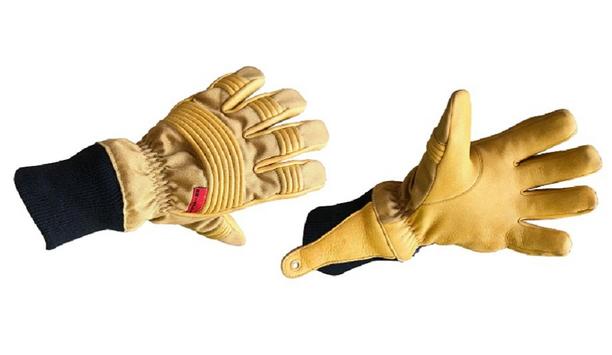
Pac Fire is pleased to introduce the AS/NZS 2161.6:2014 certified, composite structural firefighting gloves from premium PPE supplier Bristol Uniforms. The composite gloves combine Nomex® fabric on the back of the hand with hard-wearing, cowhide leather on the palm, thumb, and flexible absorber. Antibacterial and antiviral properties The GORE-TEX CROSSTECH® moisture barrier is both waterproof and breathable. It also offers protection against the penetration of viruses and bacteria found in blood and body fluids, as well as protection against the penetration of common chemicals. While the Bristol composite gloves are new to Australia, the EN version is already in service within the United Kingdom, having been selected as part of the UK Collaborative PPE Framework project. They have also been awarded to the Scottish Fire & Rescue Service which boasts over 8,000 members.
Insights & Opinions from thought leaders at Bristol Uniforms Ltd.
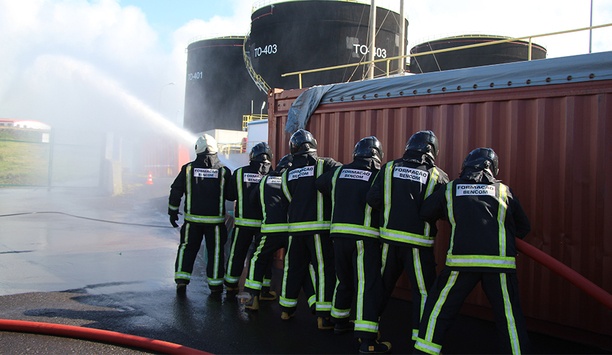
Across the world, fire and rescue services vary greatly, and each will have their own unique circumstances and challenges to deal with. Firefighters in the USA and Australia are more likely to face wildland fires, whilst in the Middle East, firefighters deal more regularly with transport related fires involving hazardous materials. In many European countries, less than 10% of call-outs are fire related at all, with firefighters much more likely to attend traffic accidents, medical emergencies or flooding. A range of different climates also provide firefighters with specific challenges. Providing Optimum Protection These fabrics can offer resistance to fire, increased breathability, control of moisture, and a lighter weight Firefighters in hot and tropical Indonesia for example, will have different requirements to those in hot and arid South Africa, whilst those in Scandinavia operate in more temperate and cooler conditions. It’s important, therefore, that PPE manufacturers can provide a wide variety of options to suit particular environments and operations. PPE must be highly effective, comfortable, and suitable for the job in hand, wherever in the world the firefighters are operating. Selecting the right fabric for your PPE is the first step in providing optimum protection for the environment you are operating in. International fibre and fabric manufacturers have developed a number of highly specialized materials offering a range of benefits. Used in combination, these fabrics can offer resistance to fire, increased breathability, control of moisture, and a lighter weight. Best Quality Firefighting Garments Highly specialized and lightweight fibers for the outer-shell of a garment, for example, can provide outstanding air permeability and breathability, allowing metabolic heat to escape, whilst of course providing vital protection against the intense external heat and flames of a fire. The best quality firefighting garments combine this type of outer shell with an inner moisture barrier and liner system which draws moisture away from the skin, helping to keep the body cool and dry. Strenuous work in a hot environment causes profuse sweating, and if this sweat is not able to evaporate, the body is not able to cool itself effectively. Once the most appropriate fabric is chosen, the design and style of a garment also plays a crucial role in contributing to a firefighters’ safety. Maintaining A Comfortable Body Temperature Search and Rescue operations often take place once the immediate danger of flame is removed Whether operating in bushland, floods, on the roadside or even in extremely cold conditions, firefighters need to maintain a comfortable body temperature and stay dry. They are also likely to need to crawl, run, and climb to carry out the job in hand. Any protective clothing must be ergonomic and has to be able to work with them rather than hinder them. As a result, over and above the full structural firefighting garments available to FRSs, manufacturers have also developed innovative designs for more specific applications. For example, Search and Rescue operations often take place once the immediate danger of flame is removed, with USAR or technical rescue teams entering enclosed and confined spaces where high temperatures and often toxic smoke are hazards. Particular Protection Against Radiant Heat USAR firefighting garments therefore should be tear and puncture resistant, provide protection against blood-borne pathogens, offer physical protection at high risk points such as the knees and elbows, provide a high level of flexibility to afford maneuvrability in confined spaces, and crucially be lightweight and breathable to minimize heat stress. Alternatively, for firefighters engaged specifically in combatting forest and wildland fires, garments need to provide particular protection against radiant heat, and ideally feature a double layer of fabric to protect against sharp thorns and undergrowth. Today, many FRSs across the world use a combination of structural and technical rescue garments which can be particularly useful when faced with a range of operations requiring different levels of protection. Rescue jackets are worn with standard structural trousers when responding to a road traffic accident International Standards Of Performance For PPE Frequently, rescue jackets are worn with standard structural trousers when responding to a road traffic accident, for example. So long as these garments are tested and approved as compatible before they are used in combination, this can serve to improve ergonomics and comfort, and crucially can contribute to the lowering of heat stress in firefighters. There are currently three major standard-setting bodies on the world stage To ensure the best level of protection, most countries demand conformity with both national and international standards of performance for PPE. There are currently three major standard-setting bodies on the world stage, the National Fire Protection Association (NFPA) which covers the USA, Latin America and the Asia/Pacific region, the European Committee for Standardisation (CEN) which covers Europe, and the International Standards Organisation (ISO) which sets standards worldwide. Lighting And Communications Equipment In addition, each country will have its own National Standards Body (NSB), setting standards for its own specific interests. Ultimately, it is down to the customer to decide which standards they would like their PPE to follow. The best manufacturers can create PPE to meet a number of these standards simultaneously. These include alternative types of trouser front, leg openings and knee-pads, as well as cuff styles on fire coats Different countries, and even individual FRSs, often have particular additional requirements for their PPE, which can simply be down to style or color preference, or to accommodate particular tools or equipment they use. These include alternative types of trouser front, leg openings and knee-pads, as well as cuff styles on fire coats. Operational safety features such as integrated safety harnesses and drag rescue devices can also be specified. In addition, firefighter accessories including tools, lighting and communications equipment all have to be carried safely requiring a selection of loops, straps, D-rings, glove hooks, and pockets and flaps. Developing Innovative Solutions Finally, most FRSs aim to present a professional and clearly recognizable identity to their communities, so particular colors and badging can be an important feature of PPE. This has led to the introduction of a wide range of fabric colors and the increased use of Velcro fixings for identification badges with logos, names and roles being individually catered for. Called upon to handle an ever-increasing variety of challenges, in contrasting climates and situations, firefighters across the world are certainly faced with complex environments in which to operate. By carefully studying these conditions and listening closely to customers, PPE designers and fabric manufacturers will continue to work together to develop innovative solutions to meet these specific needs and create optimum garments for maximum protection and comfort.
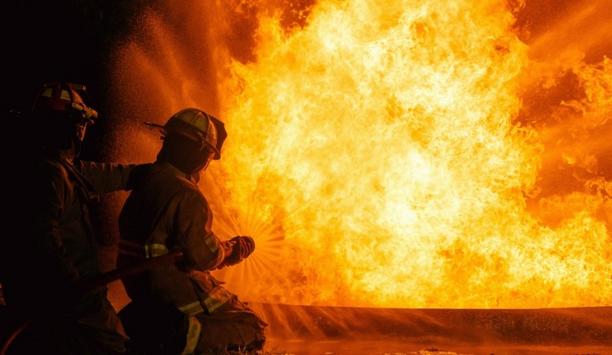
The New Future For Fire Agencies
Download
The Eight Key Trends in Fire Detection in 2023
Download
A Digital Platform to Improve Fire Safety Compliance and Inspections
Download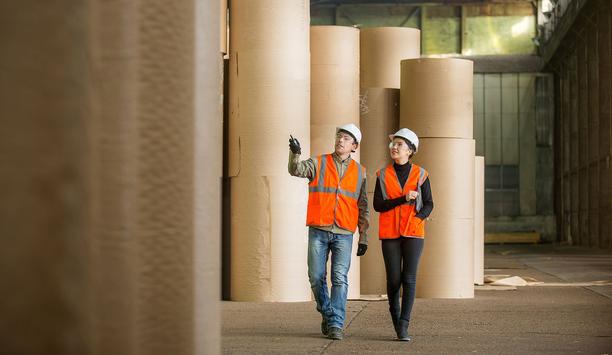
Overcoming the Challenges of Fire Safety in the Paper Industry
Download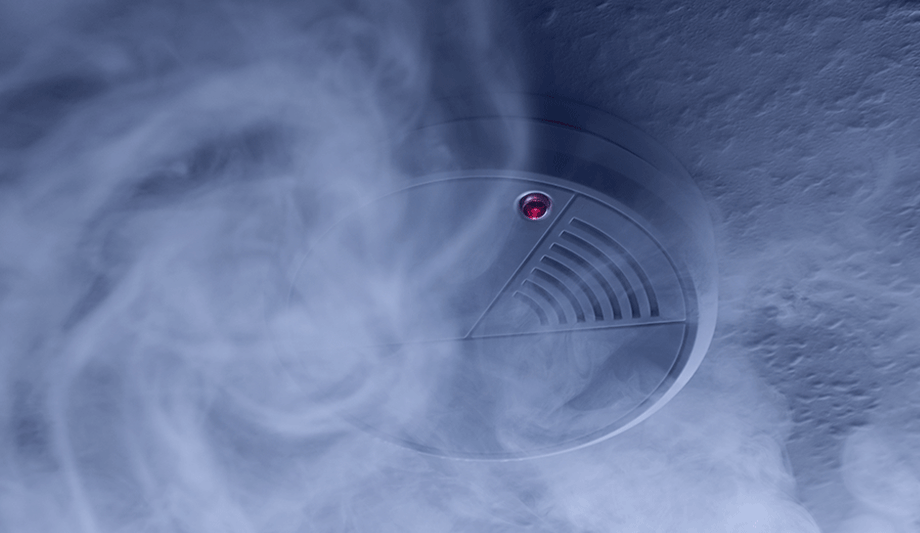
Carbon Monoxide: Creeping Killer Caught In The Act
Download
Bristol Uniforms EOS firefighting structural coat and trouser

Bristol Uniforms NE2/O_XR2DE and TNE2/N_XR2DE Stock Ergotech Action NFPA firefighting structural coat and trouser

Bristol Uniforms EA2/GO_XR2PA and TEA2/DB_XR2PA Stock Ergotech Action firefighting structural coat and trouser