|
| The National Fire Protection Association (NFPA) is the first organisation to offer resources and training to help the U.S. fire service |
As the world continues its shift towards renewable energy generation, Energy Storage Systems (ESS) are rapidly becoming a reality across the globe. ESS capture energy for use at a later time and convert the energy for more convenient or economical storage forms; they are found in business facilities, high rises, and single-family and multi-unit residences across the country.
First organisation to provide training
The National Fire Protection Association (NFPA) is the first organisation to offer an array of resources and training to help the U.S. fire service prepare for the new hazards that this emerging technology poses. NFPA’s Energy Storage System Safety Training program includes self-paced online training, an instructor-led classroom course, an educational video series, and a quick reference guide designed to better prepare the fire service for ESS fire incidents. Areas of focus include:
- energy storage system concepts including ESS applications, types, and terminology
- basic electrical theory, introduction to battery energy storage systems (including lead acid, lithium ion, sodium sulphur, and flow batteries), failure modes and hazards, pre-incident planning, emergency response procedures and more
- ESS concepts and emergency response tactics are taught via interactive learning modules, videos, graphics, 3D animations, simulations, and data review exercises so that first responders can:
- identify the various types of energy storage systems
- understand basic battery function and design
- recognise various failure modes and hazards associated with ESS
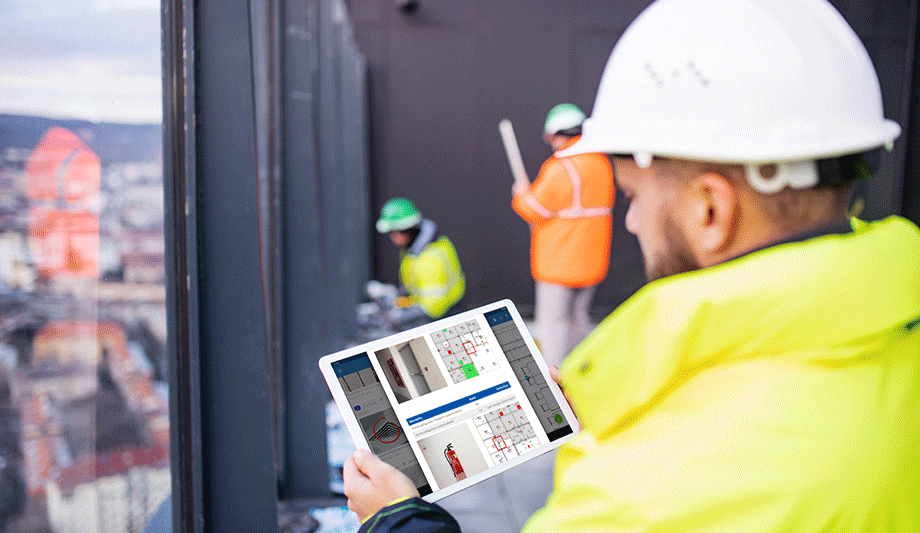
- conduct effective pre-incident planning
- pinpoint and operate emergency system disconnects
- execute mitigation and emergency response procedures including investigations and air monitoring
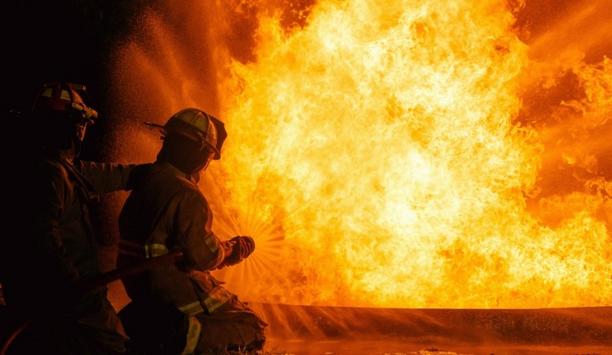
- respond to emergencies including electrolyte releases, overheated batteries, fires, and environmental events
Addressing commission of ESS
“These resources were developed to meet the needs of the fire service as the use of energy storage systems and potential fire challenges continue to rise,” said Andrew Klock, NFPA Technical Services senior project manager.
University of California at San Diego Fire Marshall Charles Strickland said, “Energy storage systems and new battery technology has far-outpaced our abilities to provide well-informed fire protection to these systems. There is a need for these resources and national standardised training.”
In addition to developing ESS resources for the fire service, NFPA approved NFPA 855, Standard for the Installation of Stationary Energy Storage Systems earlier this year to address the design, construction, installation, and commissioning of ESS. Other NFPA codes that relate to ESS include NFPA 70, National Electrical Code, Article 706; NFPA 1, Chapter 52: Fire Code; and NFPA 111, Standard on Stored Electrical Energy Emergency and Standby Power Systems.