|
| Firefighting training program for firefighters to teach how to prevent Cynaide exposure from toxic fire smoke |
Fire Smoke Coalition brings national fire service experts to Indiana for Smoke Symposiums to train firefighters how to prevent and treat acute and chronic exposure to toxic fire smoke.
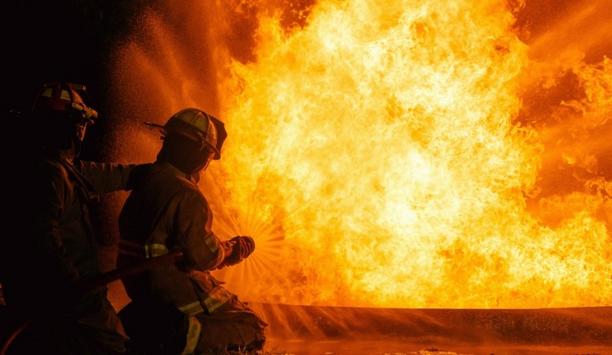
Firefighters are trained to deal with thousands of hazards and situations on a daily basis. Unfortunately, the most deadly hazard is their constant companion - fire smoke. Today's fire smoke is unlike that of 20 years ago when plastics and synthetics were not as prevalent. In order to protect themselves from the acute and chronic health conditions associated with cyanide exposure, firefighters need to understand how the combustion process generates hydrogen cyanide and most important – how to prevent the exposure.
Annually the Fire Smoke Coalition hosts regional Smoke Symposiums around the United States and next month will present a two-day session in Indiana on October 16 and 17 at the Wayne Township Fire Department. Training includes one day of classroom instruction and another for hands-on with a focus on HCN detection. Capt. Jason Krusen, Columbia South Carolina Fire Department will lead hands-on training. "Firefighters need to understand how to meter and monitor air quality – most especially as it relates to cyanide. Recently, we registered readings as high as 26 ppm in a fire that extinguished itself before arrival – a pan on the stove – the typical fire on which firefighters normally don't wear air because there is little or no smoke showing, and 25 ppm during a dumpster fire. Behavior has got to change," said Capt. Krusen. "We're no longer safe on any fireground scene unless we understand how to protect ourselves through air management, metering and monitoring."
National instructors leading the classroom session include Donald Walsh, PhD and retired Deputy Chief of the Chicago Fire Department; Firefighter Kevin Reilly from Ridgewood New Jersey Fire Department; Cameron Bucek, the EMS Clinical Resource Manager for Masimo who will introduce Indiana EMT's to pulse oximetry; Capt. Jason Krusen from Columbia South Carolina Fire Department; and, Lt. Chris Pepler, City of Torrington CT Fire Department.
"Smoke is something that touches firefighters on a regular basis for an entire career" said Rob Schnepp, Chief of Special Operations, Alameda County (CA) Fire Department. "Understanding air is the only line of defense to hydrogen cyanide exposure should be the only incentive required to embrace training opportunities to learn how to prevent the exposure."