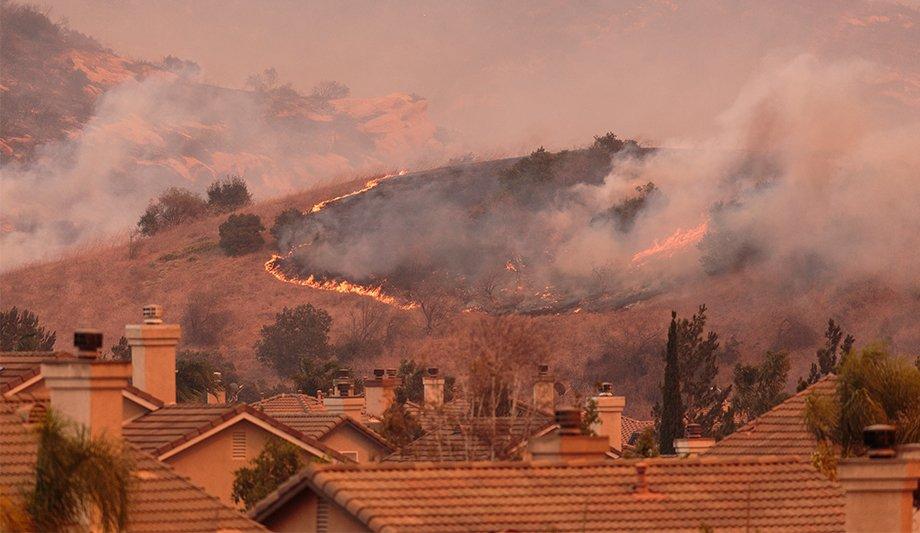


The global pandemic presents complications for firefighters during what will likely be an active wildfire season. Firefighting manpower could be diminished by the pandemic; training sessions have been cancelled, postponed, or conducted remotely. And travel risks undermine the traditional approach of calling on firefighters from throughout the country or around the world to help fight the wildfires.
Social distancing is at odds with the teamwork and camaraderie that characterize firefighting units. Communal basecamps where everyone eats and sleeps together are unworkable during the pandemic. Instead, smaller camps are the rule, and packaged meals are delivered to each camp. Smaller teams reduce the need for widespread quarantine if someone tests positive for the novel coronavirus.
Daily wellness checks
Daily wellness checks ensure everyone remains healthy. Temperature checks, enhanced cleaning schedules and more personal protective equipment (PPE) are the rule.
The toll of wildfires on air quality is a negative health factor for anyone suffering from COVID-19, or anyone at risk. Possible spread of the disease complicates the logistics of sheltering evacuees. Health counseling is done remotely, and cots in shared quarters are spaced further apart.
COVID-19 Wildfire Guidelines
Medical experts, including the U.S. Centers for Disease Control and Prevention (CDC), have developed COVID-19 safety guidelines for wildfire operations and recommendations for firefighter screening, testing and social distancing.COVID-19 also presents some of the same respiratory symptoms as wildfire smoke exposure
Exposure to air pollutants in wildfire smoke can irritate the lungs, cause inflammation, alter immune function and increase susceptibility to respiratory infections, likely including COVID-19, according to the CDC. COVID-19 also presents some of the same respiratory symptoms as wildfire smoke exposure – dry cough, sore throat, and difficulty breathing.
The overall approach to fighting wildfires is being impacted by the pandemic. Since the early 2000s, the strategy has been to allow some wildfires to burn across large areas as a natural part of rejuvenating the forest.
“Smokey Bear” Method
Now, more fires will likely be extinguished quickly rather than risk them getting out of control when there may not be enough firefighters. Use of aerial firefighting will expand as a means to minimize the need for firefighters on the groundThis direct-suppression model – also known as the “Smokey Bear” method – keeps fires small enough to be managed by local resources rather than needing additional firefighters from other areas. Use of aerial firefighting will expand as a means to minimize the need for firefighters on the ground.
The National Interagency Fire Center predicts that this year’s wildfire season, which extends from June to September, will see more wildfires than usual in the Southwest and Pacific Northwest. Because of coronavirus concerns, the U.S. Forest Service has suspended controlled burns, which are used to prevent larger wildfires. Dry weather this fall will make fires more likely to spread quickly.
Wildfires in Urban/Suburban Neighborhoods
Particularly of concern are wildfires in areas that border urban or suburban neighborhoods, the so-called wildland-urban interface. These situations are when homes (and lives) are most at risks. Fire officials and volunteers have historically helped homeowners address risks such as yards with dry brush, but this year the help is being offered remotely with video calls, which is a less effective approach.
There is some optimism in the firefighting results at the Sawtooth Fire in Arizona in late May. In response to the first wildfire of the season, 399 firefighters were deployed. They practiced social distancing, wore masks, and slept in local hotels. Smaller teams of four to 20 firefighters helped to minimize physical interaction and virus transmissions. Zoom meetings helped with coordination. A medical officer was on site to ensure guidelines were followed. The final report judged the effectiveness of the protections and safety record as “remarkable.”