

COVID-19 dominated the headlines in 2020, and it had a profound impact on the fire industry. TheBigRedGuide.com published many articles about the pandemic and its impact, some of which were among the most-read articles of the year. This retrospective will highlight some of those pandemic-related articles, including links to the original content. The Fire Industry Association (FIA) in the United Kingdom published a survey report on the impact of the coronavirus pandemic.
The survey, conducted by FIA, sought to gain a greater understanding of how organizations have been impacted by COVID-19 and of the impact on the wider fire industry now and in the future. Resilience is a recurring theme in the FIA report. At the time of the survey (when the United Kingdom was just past the coronavirus peak), a total of 81% of respondents expected they could continue operating under current circumstances for three months or more.
rapidly-spreading virus
Roughly a fourth expected their business could continue for six months (23.4%), and another quarter of respondents expected they could last a year (23.4%). First responders were on the front lines of the latest COVID-19 health crisis. Around the United States - and around the world - EMS departments faced the uncertainties of a rapidly-spreading virus. One early problem was a shortage of face masks. As cases surged, it was also harder for ambulance companies to get other needed supplies.
Around the United States - and around the world - EMS departments faced the uncertainties of a rapidly-spreading virus
In King County, Wash., an early epicenter of COVID-19 cases in the United States, Kirkland, Wash., firefighters and Kirkland police officers were placed under quarantine after an outbreak at a senior care facility. Firefighters were either quarantined at home or at a local fire station. Fire stations are unique environments with conditions that could be conducive to the spread of the novel coronavirus/COVID-19.
municipal fire departments
Firefighters live in close quarters for 24-hour shifts, and then return home to their families. Reports about “hot” firehouses have helped to emphasize the need to follow best practices to avoid the spread of the disease. The Fire Department Safety Officers Association (FDSOA) compiled a list of guidelines that departments can put into practice to reduce and/or avoid cross-contamination of on-duty staff.
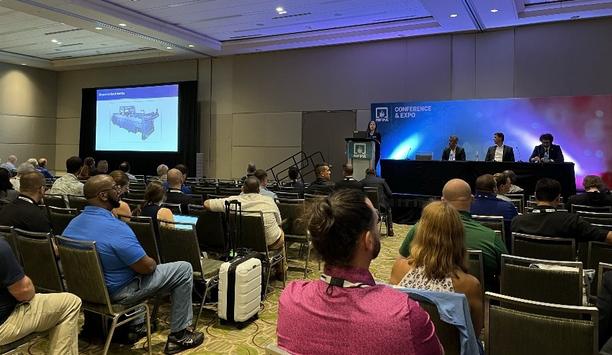
Among other impacts on the fire industry, the COVID-19 global pandemic played havoc with the industry’s trade show schedule, with major events canceled or delayed. County and municipal fire departments were impacted as local governments respond to the COVID-19-induced economic downturn with spending freezes, hiring freezes and spending cuts. Some local governments are hoping for help from the state and/or federal level.
address economic downturns
Although some governments have “rainy day funds” to address economic downturns, not all of them do. Furthermore, the extent of the current economic crisis may exceed our worst fears. Proposed budget cuts for some fire and EMS departments are in the 10% to 25% range. A consequence of the coronavirus shutdown was cancellation of hundreds of volunteer fire department fundraisers across the United States - from fish fries to bingo to hog roasts to chicken barbecues.
During the COVID-19 pandemic, the trend toward working from home accelerated
No more carnivals or spaghetti suppers or gun raffles. And departments lost thousands of dollars. Firefighters are used to wearing protective gear, but one U.S. locale exempted first responders from adhering to a mask mandate to address coronavirus risks. The City Council of Portsmouth, New Hampshire, proposed an amendment to exempt first responders from complying with the city’s face mask ordinance.
ensure social distancing
Specifically, the proposed amendment states, “Exempted from the requirements of the ordinance requiring wearing of face coverings include law enforcement personnel, first responders or other workers, who are actively engaged in their tasks, if wearing a face covering may hinder their performance.” During the COVID-19 pandemic, the trend toward working from home accelerated.
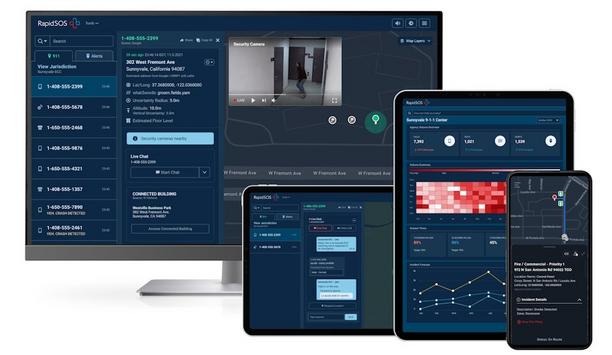
New technologies made it possible for 911 dispatchers to work from home, whether to ensure social distancing or to supplement operations during evolving emergencies. The computer-aided dispatch (CAD) systems offer web-based interfaces and mobile capabilities that enable public-safety answering point (PSAP) operators to work from anywhere. Other technologies that are paving the way for dispatchers to work from home include the cloud, virtual private networks (VPNs), and faster data speeds.
blocking firefighter access
Adapting workspaces to operate safely during a pandemic presents complications, not least of which is making sure that the measures taken to protect employees from infection do not undermine fire safety. In the course of altering a building to prevent infection spread, there are risks of introducing new life safety hazards and compromising emergency preparedness.
It is also important to avoid blocking firefighter access and facilities
As buildings adapt to new occupancy standards and requirements, it is critical that any protective measures do not interfere with operation of life safety systems. Might temporary partitions or barriers block escape routes during a fire emergency? Social distancing measures might entail blocking emergency exists and disrupting the flow of occupants looking to vacate a building. It is also important to avoid blocking firefighter access and facilities.
career options
The COVID-19 pandemic is disrupting every aspect of our business lives. But buried among the disruption was an opportunity. Newly idled workers could see this as an opportune time for training to expand their career options. Meanwhile, employees still on the job may find that a cancelled or postponed project means they have time on their hands. Training can enable them to make the most of that time.
In-person training has come to a halt, of course, because of social distancing requirements. Filling the gap are new online learning opportunities.